Choppa Tools
Choppa Tools
Choppa Tools
Engineered for extreme performance and precision calibration, trusted by workshops globally.
Setting the global benchmark for heavy machinery, diesel calibration, and automotive compression engineering.
In modern thermodynamics and internal combustion engine diagnostics, the accuracy of compression testing equipment acts as the frontline protocol for assessing cylinder seal integrity, piston ring compliance, and valve train alignment. An engine's ability to efficiently convert thermal energy to mechanical energy is highly dependent on achieving design-specified compression ratios. Even minor deviations can manifest as misfires, high emissions, and mechanical degradation.
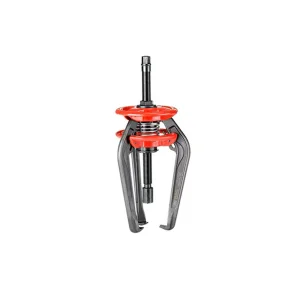
As a leading authority in diagnostic engineering, Zhejiang Choppa Tools Co., Ltd. offers highly engineered, professional automotive diagnostic compression tester sets, high-precision bearing pullers, and heavy-duty garage repair equipment. Since our founding in 2000, we have maintained a long-term commitment to manufacturing tools with high durability, precise calibration, and structural reliability. Our engineering division bridges the gap between traditional metallurgical processes and modern, high-precision calibration standards, serving professional workshops, fleet operators, and industrial distributors worldwide.
Understanding the engineering metrics behind accurate pressure measurements and compression loss calculations.
Utilizing high-grade copper alloy Bourdon tubes and precision gear movements, our gauges translate gas dynamic cylinder pressure into visual readings with minimal mechanical resistance. This ensures reliable readouts across both low-pressure gasoline and high-pressure diesel cycles.
Under cranking cycles, engine cylinders experience rapid adiabatic compression. Our custom thread adapters (M10, M12, M14, M18) feature heat-resistant fluorocarbon elastomer (FKM) O-rings to prevent thermal blow-by, keeping pressure loss below 0.5% during diagnostic cycles.
Our integrated push-button pressure release valves permit fast, repeated tests without disconnecting the tool. Our assemblies use high-grade chrome vanadium steel and brass fittings, ensuring long-term wear resistance under continuous garage conditions.
Engine diagnostic metrics rely on the peak compression value and the pressure retention curve. During testing, the engine is cranked until the gauge needle stabilizes, representing the maximum pressure achieved under cranking speed. For standard gasoline engines, this typically ranges between 125 to 175 PSI (8.6 to 12 Bar). For high-compression diesel powerplants, it can range between 300 to 500+ PSI (20 to 34+ Bar). A difference of more than 10-15% between cylinders indicates internal engine wear, such as worn compression rings, leaking valves, or a blown cylinder head gasket. Zhejiang Choppa Tools' diagnostic kits are calibrated to ±1.6% accuracy in accordance with international metrological standards, allowing technicians to pinpoint pressure variations quickly.
How our specialized tooling meets the rigorous demands of distinct commercial, marine, and agricultural sectors worldwide.
Long-haul diesel fleets require regular cylinder checks to prevent engine failure. Our high-pressure diesel compression testers feature robust, braided stainless steel hoses and quick-disconnect fittings that withstand soot, extreme heat, and heavy workshop usage.
Marine environments expose tools to high humidity and corrosive salt spray. We use marine-grade nickel-plated brass and stainless steel elements to prevent oxidation, ensuring that our compression testing kits remain calibrated and functional in marine environments.
Two-stroke and four-stroke engines in agricultural machinery often use specialized, compact spark plug threads. Our toolkits include high-precision adapters down to M10 threads, making it easy to test small engines like chainsaws, generators, and lawnmowers.
In addition to heavy transport and marine usage, compression testers play a key role in stationary power generation diagnostics. Industrial backup generators in critical facilities like hospitals and data centers require routine compression monitoring. By checking for cylinder deviations before they cause generator failure, facilities can maintain reliable backup power. Zhejiang Choppa Tools' diagnostic kits are designed with specialized quick-release features to support rapid testing during scheduled maintenance windows, reducing downtime and protecting critical operations.
Pioneering the transition from analog diagnostics to digital and IoT-integrated engine telemetry systems.
As the global automotive industry moves toward electrification and hybrid powertrains, the role of mechanical diagnostics is changing. Over the next decade, internal combustion engines (ICE) will become more optimized and complex, utilizing higher compression ratios and advanced direct-injection systems. Our research and development department is actively designing the next generation of engine diagnostic tools to meet these evolving needs.
Traditional mechanical Bourdon tube gauges are reliable, but digital diagnostics offer higher precision. Our upcoming digital compression testers will feature silicon piezoresistive pressure sensors, providing real-time pressure data with a resolution of 0.1 PSI. These digital systems will automatically log maximum pressure, pressure drop rates, and cranking RPM, giving technicians a more detailed view of cylinder performance.
Integrating wireless sensors allows our tools to connect directly with workshop diagnostic systems and mobile apps. Technicians will be able to perform compression tests single-handedly, viewing live cylinder pressure graphs and saving diagnostic reports directly to the customer's digital file. This digital record-keeping improves workshop efficiency and helps build trust with customers.
Modern hybrid engines run on specialized combustion cycles (such as the Atkinson or Miller cycle) which require specific testing profiles. Our engineering team is developing specialized diagnostic protocols to adapt to the lower cranking speeds of hybrid systems. This ensures that repair shops can service both conventional and hybrid vehicles using the same reliable diagnostic equipment.
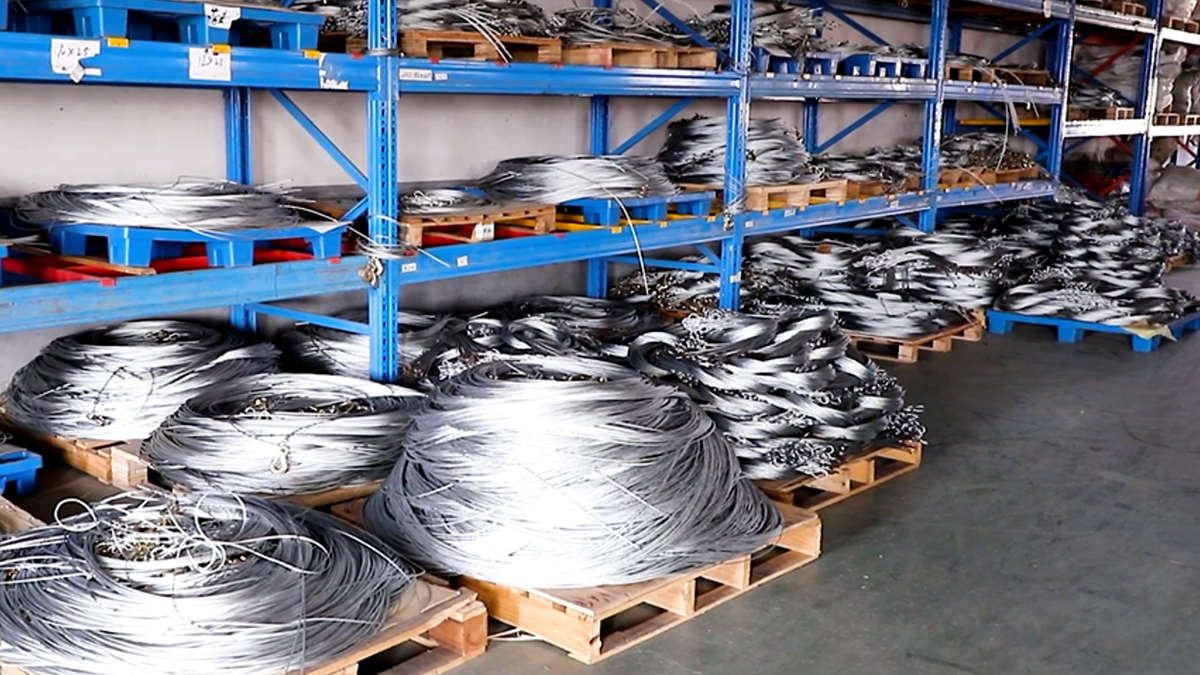
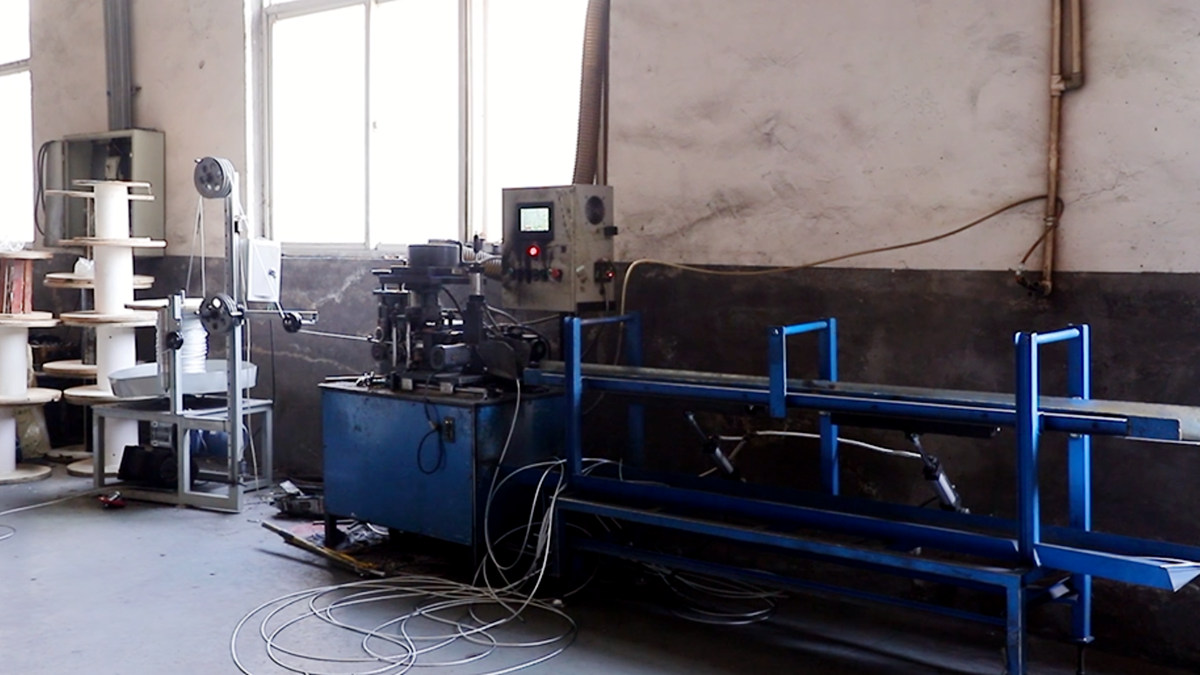
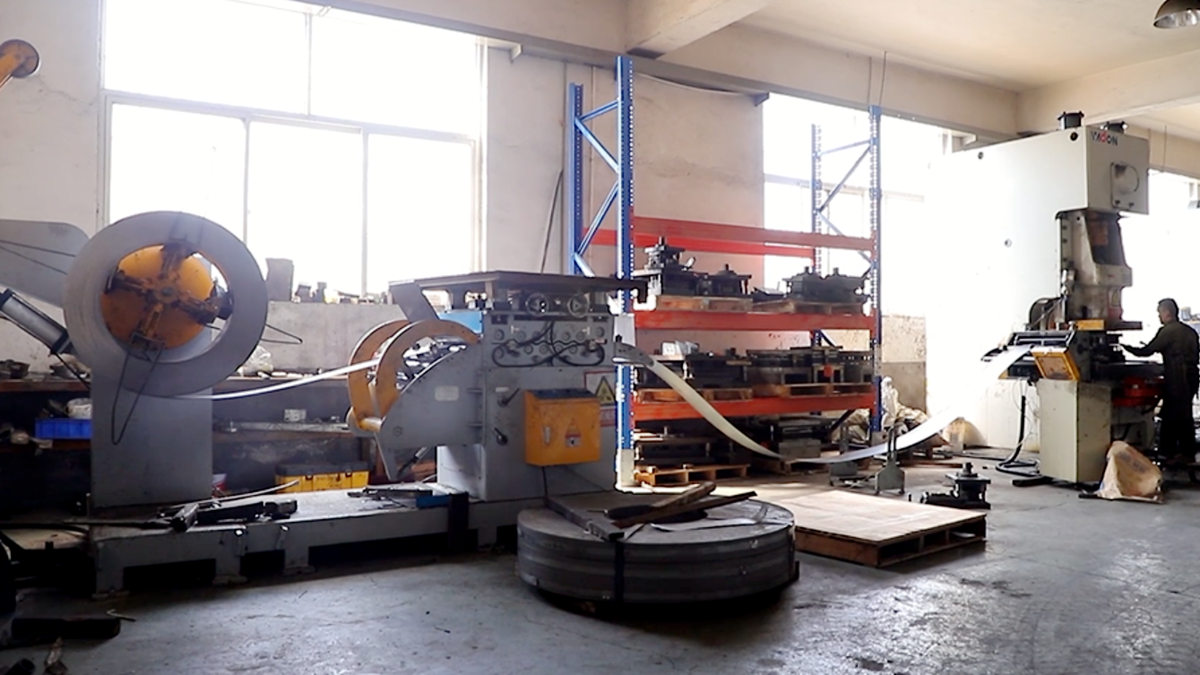
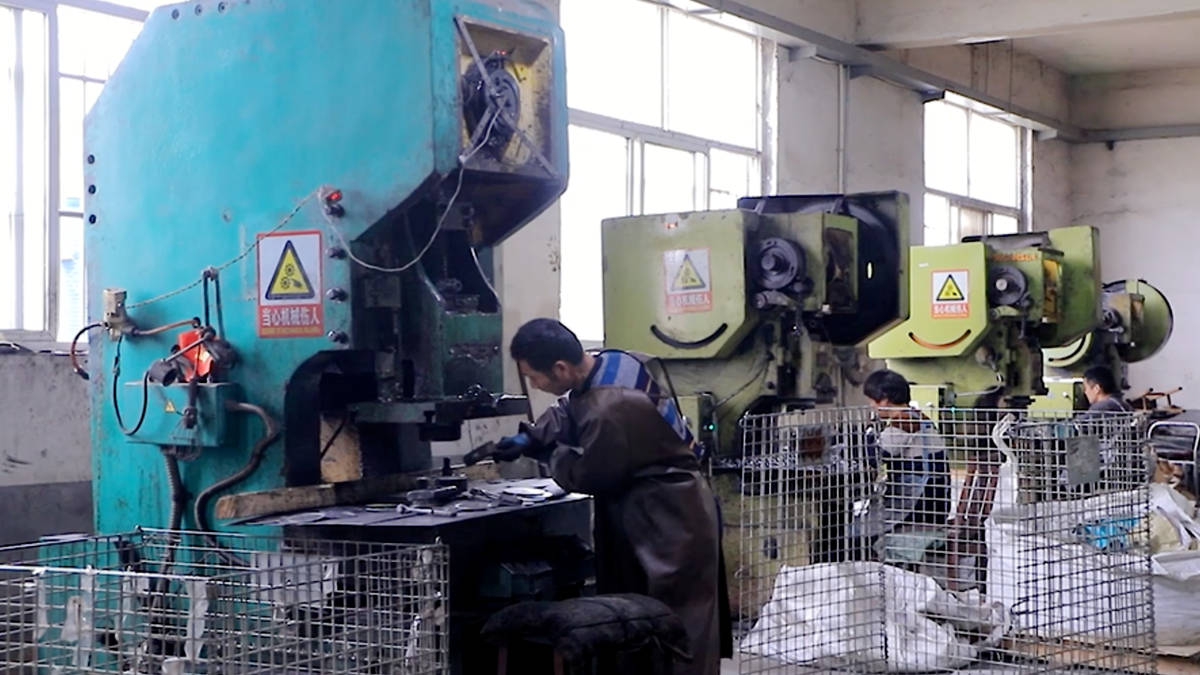
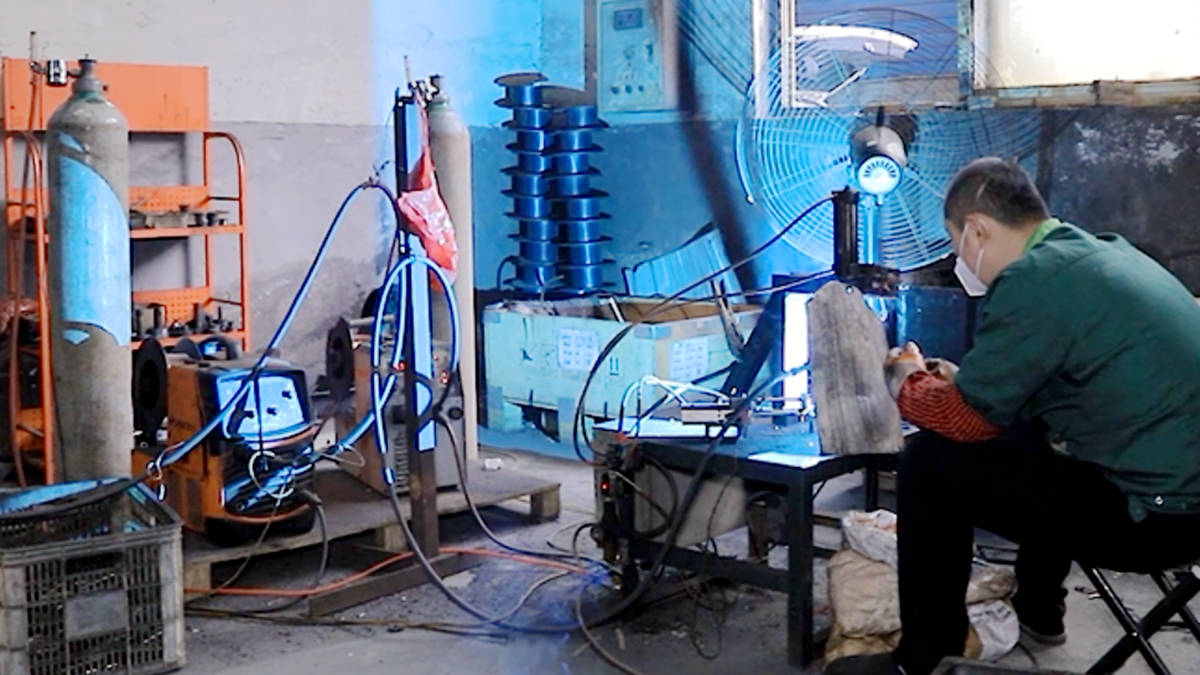
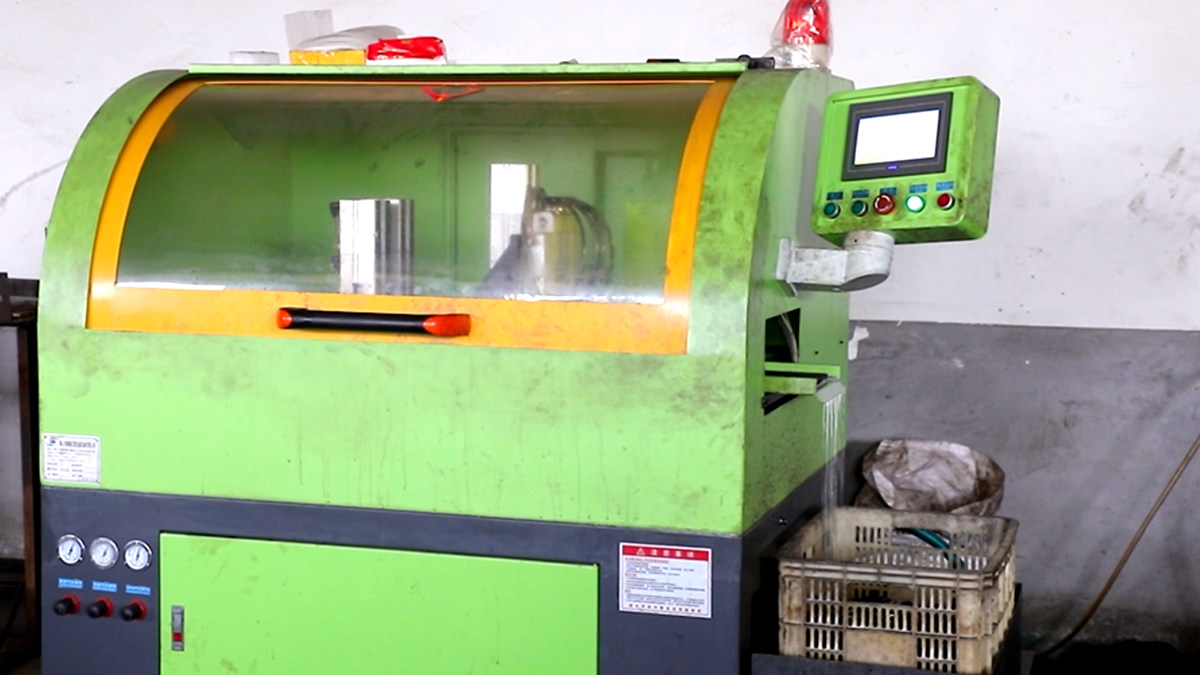
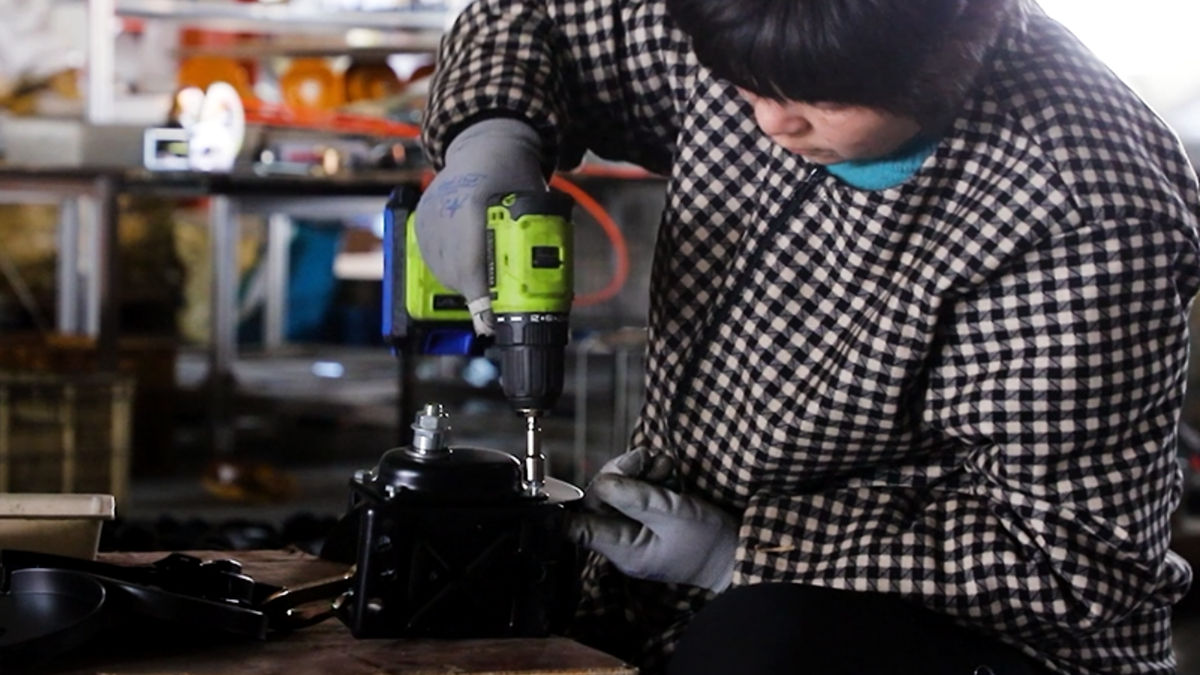
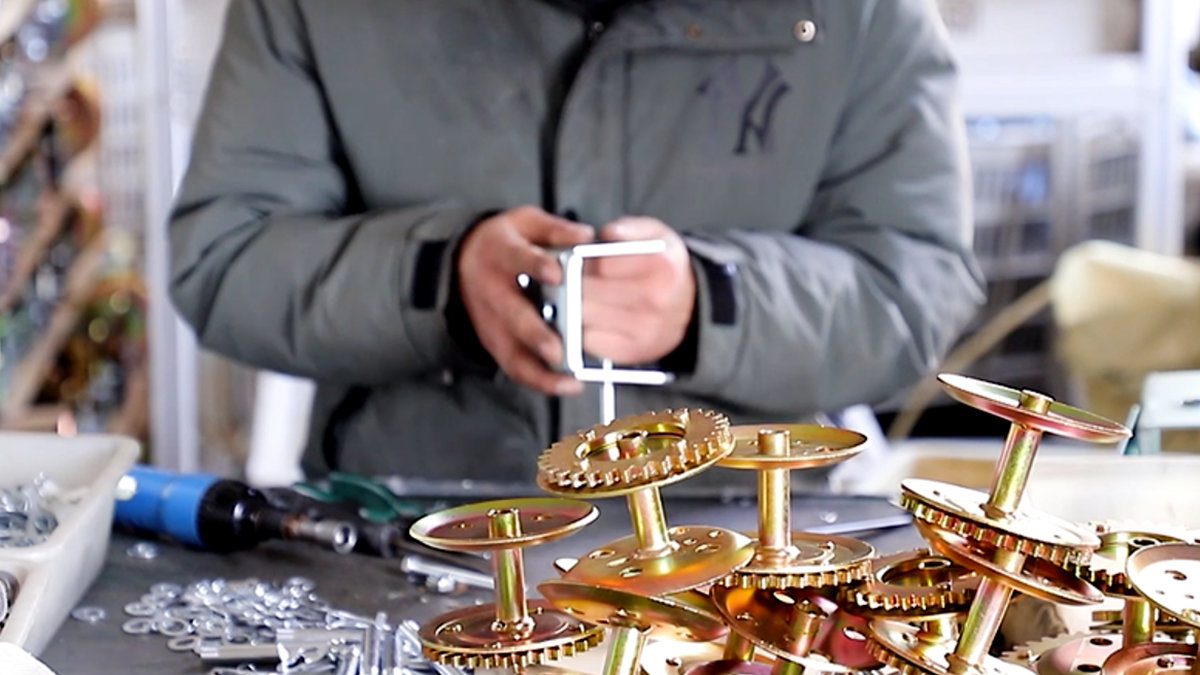
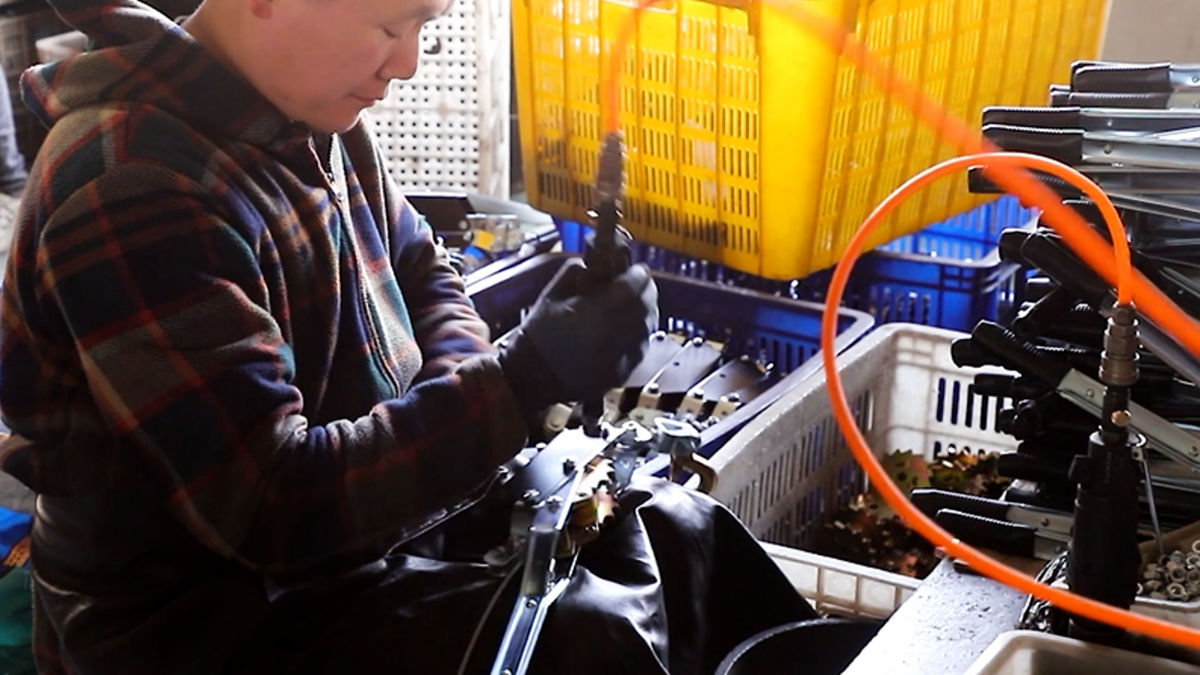
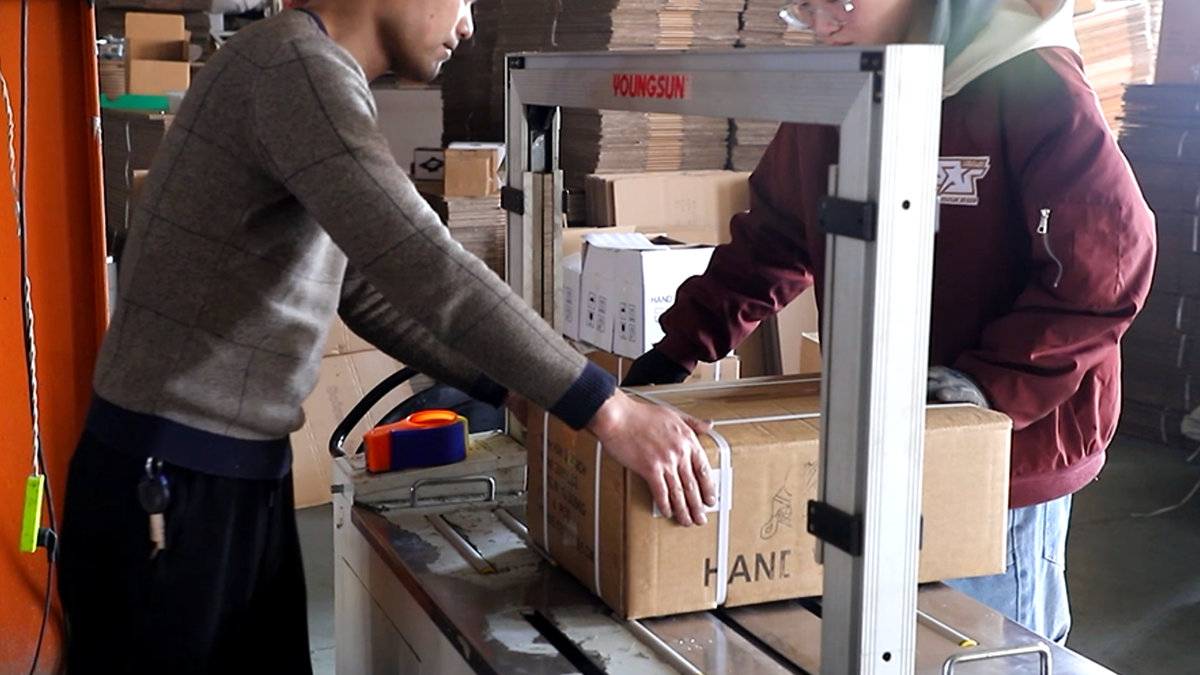
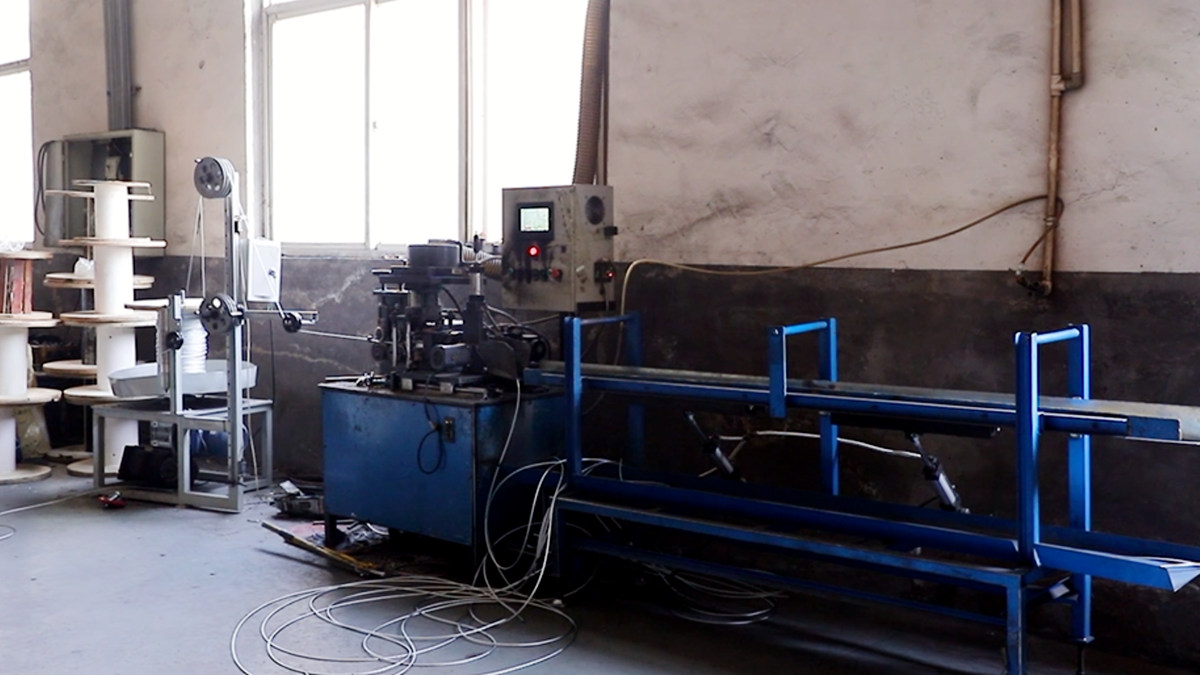
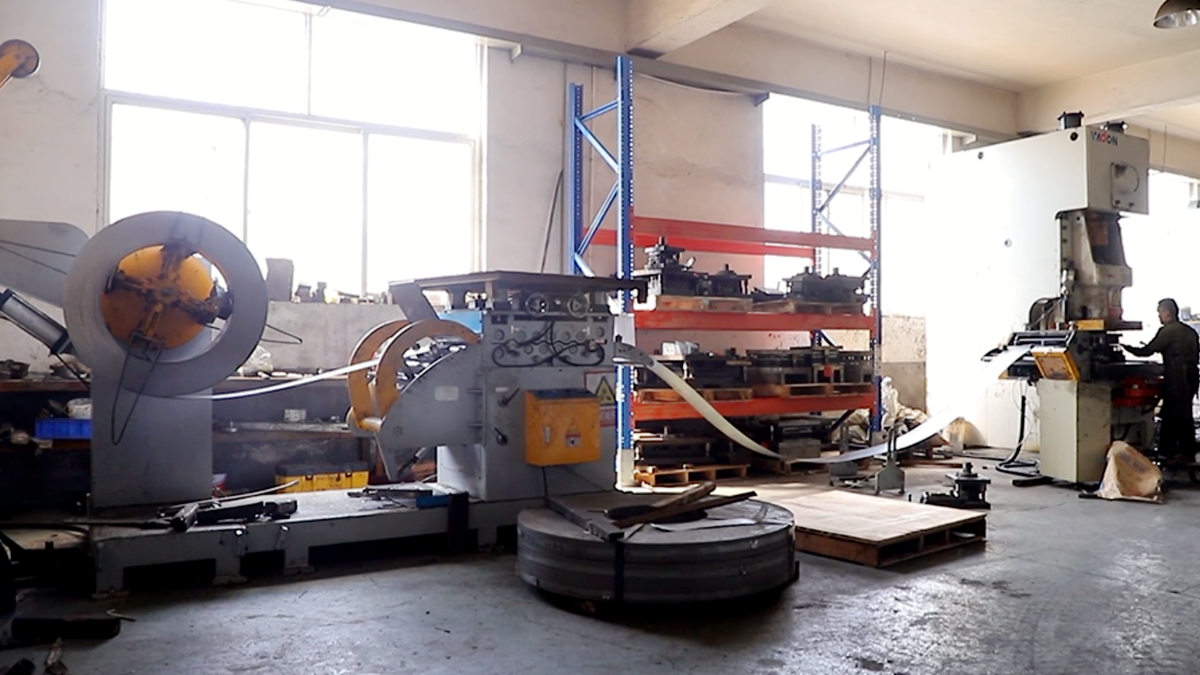
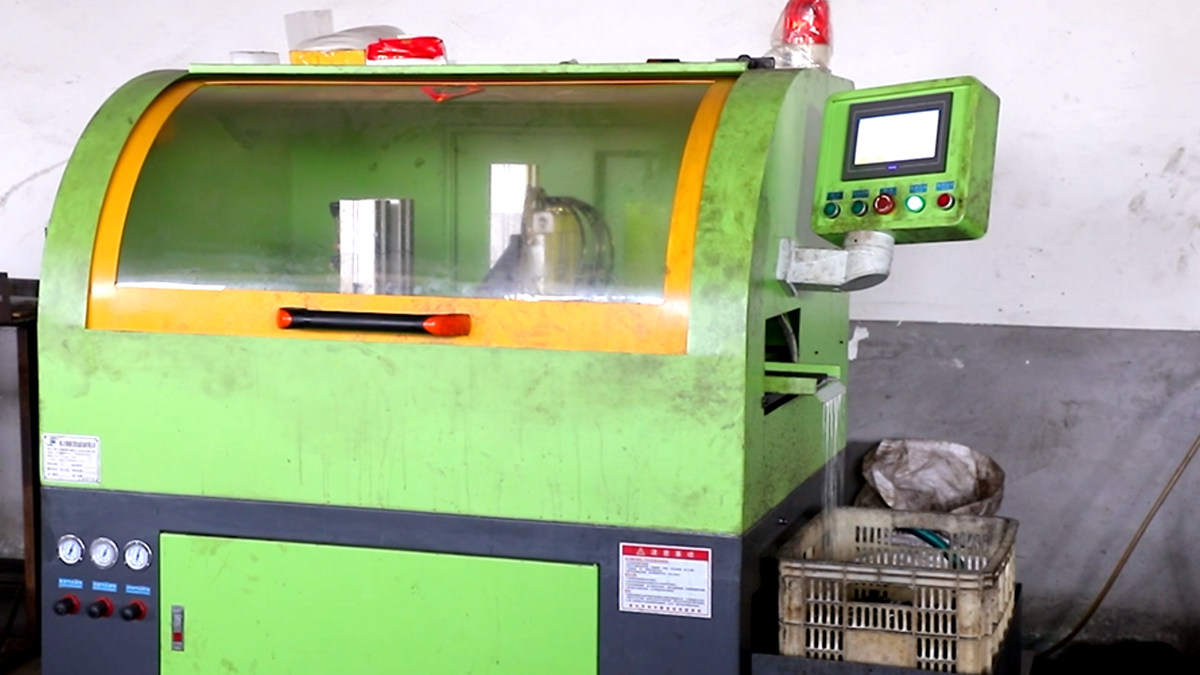
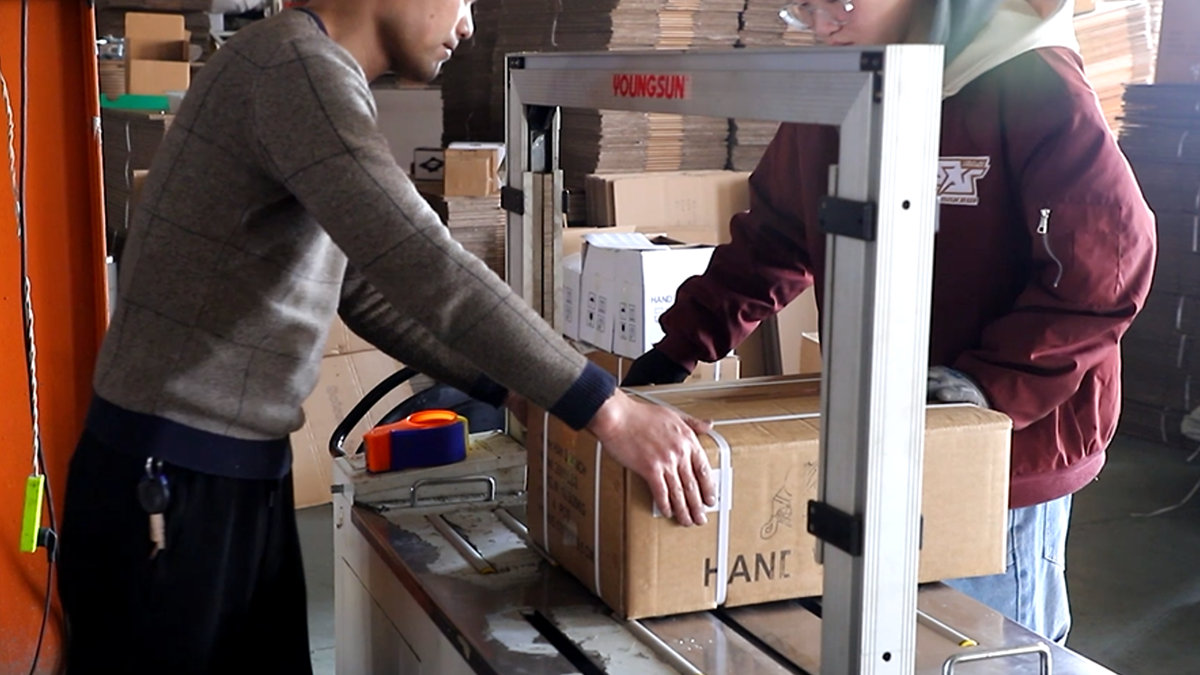
An inside look at Zhejiang Choppa Tools' advanced manufacturing facility, where raw steel is transformed into high-precision diagnostic tools.
Our manufacturing facility in Zhejiang Province, China, integrates raw material sourcing, automated CNC machining, heat treatment, and precision assembly into a single, cohesive workflow. This vertical integration allows us to maintain strict quality control, manage production costs, and respond quickly to custom OEM/ODM requests from our global partners.
Meeting international accuracy standards to ensure reliable diagnostics in any market.
Our master gauges are calibrated in accordance with NIST and European DIN standards, maintaining high accuracy across their lifecycle to support precise mechanical diagnostics.
All raw materials, protective rubber boots, and chemical finishes are tested for hazardous substances, complying with CE, RoHS, and REACH directives for environmental and workplace safety.
We provide complete custom tool development, specialized thread adapter designs, custom-molded blow cases, and private label branding to help global distributors build their own product lines.
Through strict quality control and standardized manufacturing, Zhejiang Choppa Tools has become a trusted partner for global brands in North America, Europe, and the Asia-Pacific region, supplying reliable diagnostic tools for professional repair networks.
Expert solutions and insights on cylinder compression testing procedures, gauge troubleshooting, and diagnostic analysis.
A dry compression test measures cylinder sealing under standard operating conditions. If a cylinder registers low pressure, a "wet test" is performed by adding a small amount of engine oil (approx. 1 tablespoon) into the cylinder before re-testing. If the pressure rises significantly, it indicates that the piston rings or cylinder walls are worn, as the oil temporarily seals the gap. If the pressure remains low, the leak is likely occurring through the intake or exhaust valves, or a damaged cylinder head gasket.
Barometric pressure decreases with altitude, which reduces the density of the air entering the cylinders. Consequently, measured compression pressures will be lower at higher elevations. A general rule of thumb is to expect a 3-4% reduction in pressure readings for every 1,000 feet (300 meters) of elevation above sea level. When diagnosing engines at high altitudes, it is important to focus on consistency between cylinders rather than comparing readings directly to sea-level specifications.
When two adjacent cylinders show similarly low compression readings, the most common cause is a failure of the cylinder head gasket between those two bores. This allows cylinder pressure to bleed into the neighboring cylinder during the compression stroke. Other potential causes include a cracked cylinder head, a warped block deck, or a crack in the cylinder wall separating the two chambers.
A compression test measures the engine's ability to generate pressure dynamically while cranking. In contrast, a cylinder leak-down test is a static measurement where the cylinder is pressurized with external compressed air at Top Dead Center (TDC). The tester measures the percentage of air leakage and allows the technician to listen for escaping air at the intake, exhaust, or oil oil fill cap, helping to identify the exact source of the pressure loss.
Choosing the correct adapter size is essential to ensure a tight seal and prevent damage to the spark plug or glow plug threads. The standard thread sizes are: M10x1.0 for small motorcycles and power equipment; M12x1.25 for modern multi-valve gasoline engines; M14x1.25 for standard passenger vehicle engines; and M18x1.5 for older vehicle engines or specialized industrial applications. Diesel engines require specialized adapters that mimic the shape of the glow plug or fuel injector for that specific engine family.
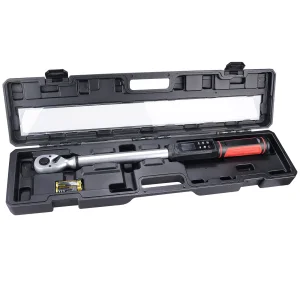
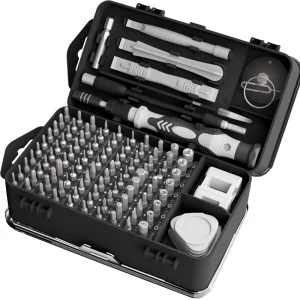
Broadening workshop capabilities with high-durability hand tools, electronic repair kits, and torque management solutions.