Choppa Tools
Choppa Tools
Choppa Tools
Direct factory access to precision-engineered industrial hand tools, assembly line equipment, and custom mechanical kits designed for maximum durability.
The global demand for professional horticultural tools, particularly pruning shears (also known as secateurs), has experienced a profound evolution. Today's commercial markets require tools that bridge the gap between high-precision metallurgy and ergonomic design. From intensive agricultural cultivation, commercial orchards, and extensive vineyards to municipal landscaping, professional-grade cutting implements are no longer viewed as mere hand tools—they are critical assets that directly impact crop health, worker efficiency, and agricultural productivity.
Key drivers shaping the global landscape include the transition from traditional high-carbon steels to advanced alloy formulations like Japanese SK5, chrome-vanadium steel, and titanium coatings. Furthermore, the rising awareness of occupational health has forced manufacturers to prioritize kinetic geometry, shock-absorption mechanisms, and lightweight materials like structural forged aluminum and carbon composites. As a result, sourcing managers and B2B distributors are seeking manufacturing partners capable of delivering consistent quality, stable supply chains, and extensive customization options.
Top manufacturers utilize premium raw materials (SK5 high-carbon steel, HSS, titanium alloys) combined with advanced heat-treatment techniques to achieve optimal hardness (typically 58-62 HRC) without compromising structural elasticity.
Computerized grinding systems ensure blade geometry (bypass, anvil, or parrot-beak) guarantees friction-free, clean cuts. Clean cuts prevent crush injuries to plant fibers, safeguarding crops against fungal and bacterial infections.
Implementing rotating handles, angled heads, and high-elasticity spring return systems reduces Repetitive Strain Injury (RSI) by up to 30%, which is a vital metric for heavy agricultural operations.
Reliable factories enforce rigorous testing regimens including robotic endurance cycle tests (exceeding 100,000 cuts), corrosion resistance chamber runs, and micro-hardness profiling.
Sourcing professional-grade tools requires a thorough understanding of the major players in the market. Below is an analytical review of the top 10 global manufacturers and suppliers of pruning shears, highlighted by their geographical strengths, technical focus, and market positioning.
Specialization: Premium Bypass Pruning Shears & Industrial Cable Cutters.
Technical Edge: Famous for their modular construction where every part is replaceable, utilizing hardened steel blades and forged aluminum alloy handles.
Market Focus: High-end professional viticulture, forestry, and arboriculture.
Specialization: Micro-edge, high-carbon steel bypass secateurs.
Technical Edge: Proprietary Marquench hardening techniques, chemical nickel plating, and chrome-plated rust prevention.
Market Focus: High-precision fruit harvesting, Bonsai cultivation, and horticulture.
Specialization: PowerGear™ gearing mechanisms and lightweight composite shears.
Technical Edge: High integration of FiberComp™ materials for lighter handles and specialized non-stick blade coatings.
Market Focus: Global consumer retail, home gardening, and mid-range commercial landscaping.
Specialization: High-performance industrial forging, custom OEM/ODM tool solutions, and heavy-duty mechanical cutting machinery.
Technical Edge: Leveraging 25 years of advanced CNC precision machining, metallurgical heat treatment, and ISO 9001 certified production lines to engineer ultra-durable cutting tools.
Market Focus: Global B2B distribution, private label customization, and heavy-duty agricultural operations.
Specialization: ErgoTec garden shears and smart watering-integrated tools.
Technical Edge: Integration of high-grade stainless steel with soft-grip component designs and variable handle openings.
Market Focus: European residential gardening, semi-professional landscaping.
Specialization: Classic forged steel bypass and anvil pruning tools.
Technical Edge: Focus on re-sharpenable, fully forged steel alloy construction providing maximum structural integrity.
Market Focus: North American commercial agriculture, municipal landscaping, and construction.
Specialization: ERGO™ process bypass secateurs with rotatable handles.
Technical Edge: Development of multi-positional cutting heads designed to align naturally with the wrist anatomy.
Market Focus: Professional vineyard management, industrial forestry, and landscaping services.
Specialization: Traditional Izumo Yasugi steel secateurs.
Technical Edge: Unique laminating and tempering processes that yield exceptionally sharp edges with high structural toughness.
Market Focus: Professional arborists, traditional landscape gardeners, and collectors.
Specialization: Original anvil pruners with drawing-cut technology.
Technical Edge: World-leading engineering in anvil geometry for effortless cutting of dense wood and tough synthetic materials.
Market Focus: Heavy-duty pruning, forestry, and industrial plastic/rubber hose cutting.
Specialization: Forged steel shears with self-cleaning sap grooves.
Technical Edge: In-house drop-forging processes, integrated oil grooves for easy maintenance, and shock-absorbing buffers.
Market Focus: Forestry, fruit orchards, and heavy-duty public works maintenance.
Established in 2000 and headquartered in Zhejiang Province, China, Zhejiang Choppa Tools Co., Ltd. has grown into a trusted manufacturer in the global tool industry. Over the past 25 years, the company has built its reputation on engineering high-precision, industrial-grade tools, specializing in heavy-duty applications, advanced forging, and precision CNC machining.
Zhejiang Choppa Tools operates a state-of-the-art production facility equipped with advanced forging presses, computer-controlled heat treatment systems, high-speed CNC machining centers, and automated assembly lines. Our dedication to E-E-A-T (Experience, Expertise, Authoritativeness, Trustworthiness) is demonstrated by our full-lifecycle quality control system. We track each production stage—from the chemical composition analysis of raw steel to final load and endurance testing.
As part of our commitment to supporting emerging global market needs, we utilize our advanced metal forging and precision hardening technology to produce high-end cutting and pruning systems. This includes industrial shears and custom tooling solutions engineered to withstand the most demanding physical environments. Our robust production capacity makes us the ideal long-term partner for global brands, wholesale distributors, and hardware retail giants.
A look inside the manufacturing facility of Zhejiang Choppa Tools Co., Ltd. reveals a highly organized production chain where industrial precision meets modern automation. The process ensures that every tool is built to exact specifications with minimal deviation.
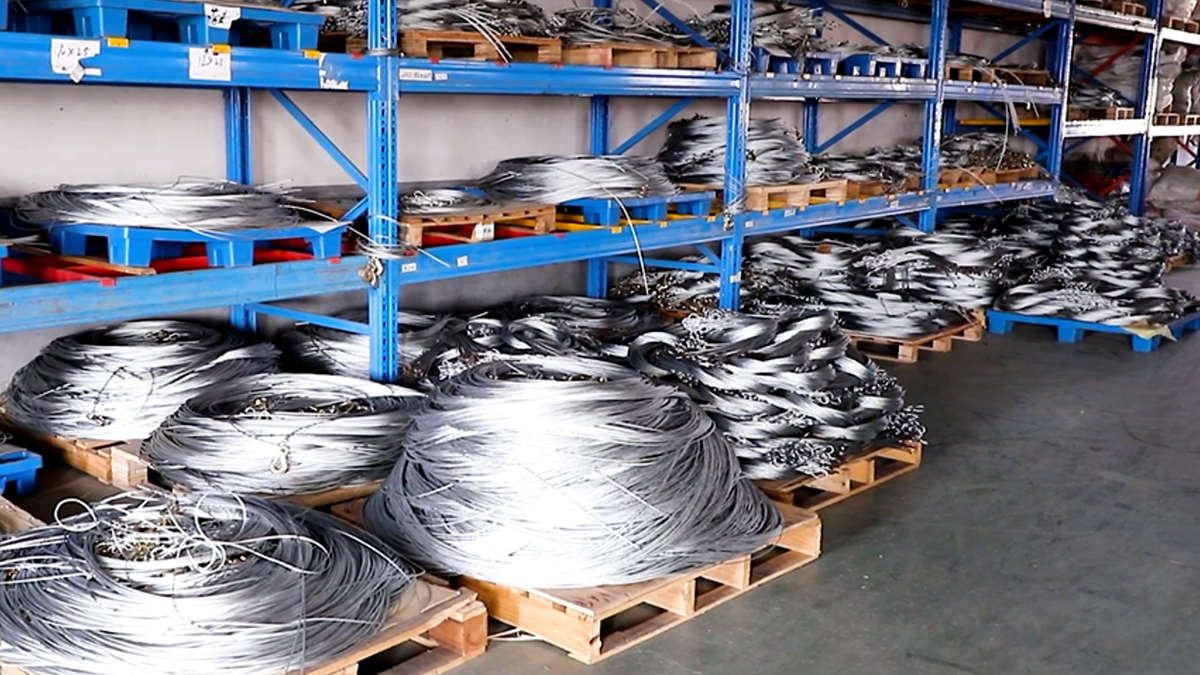
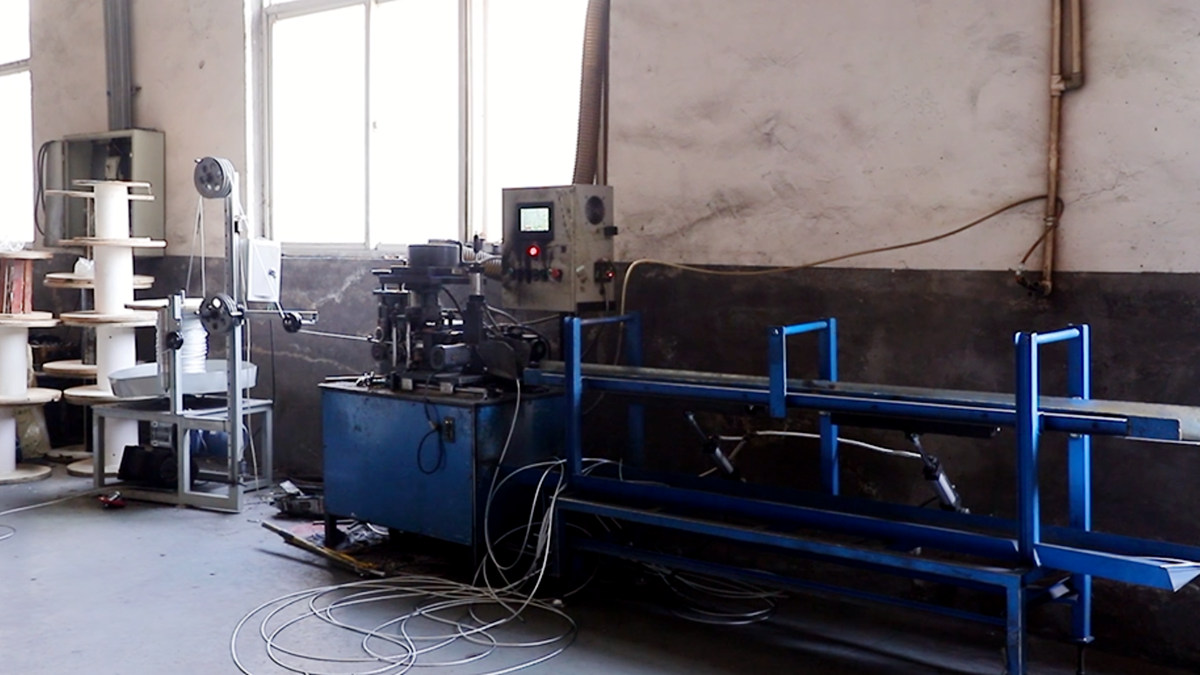
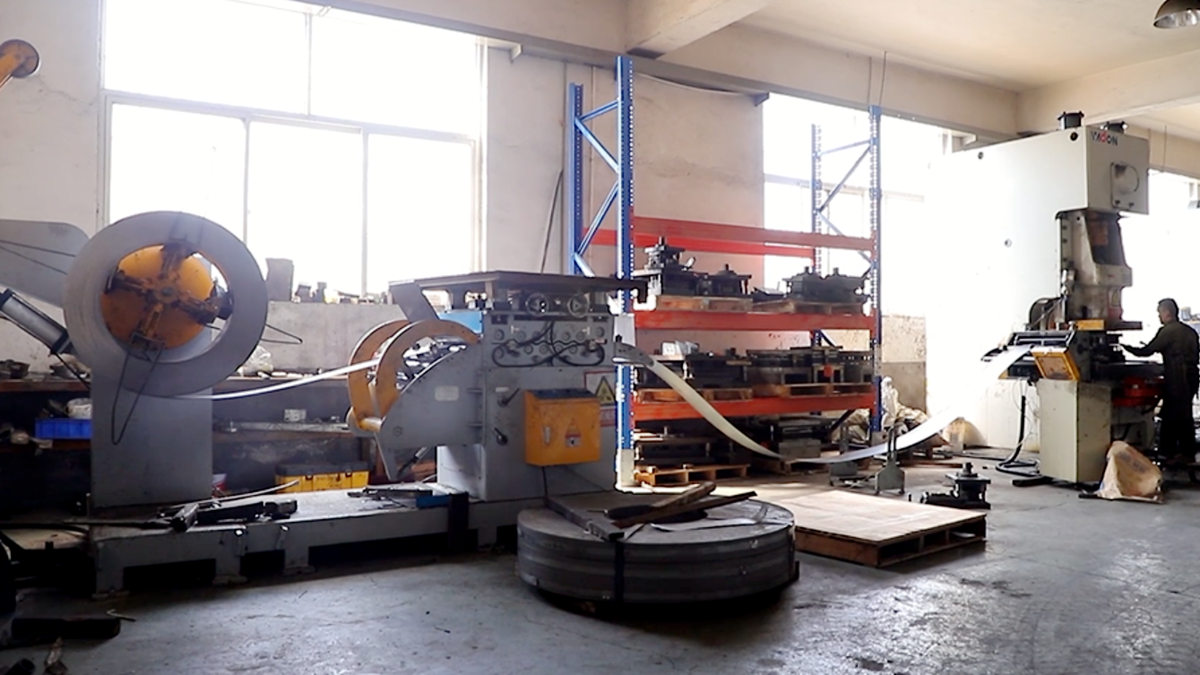
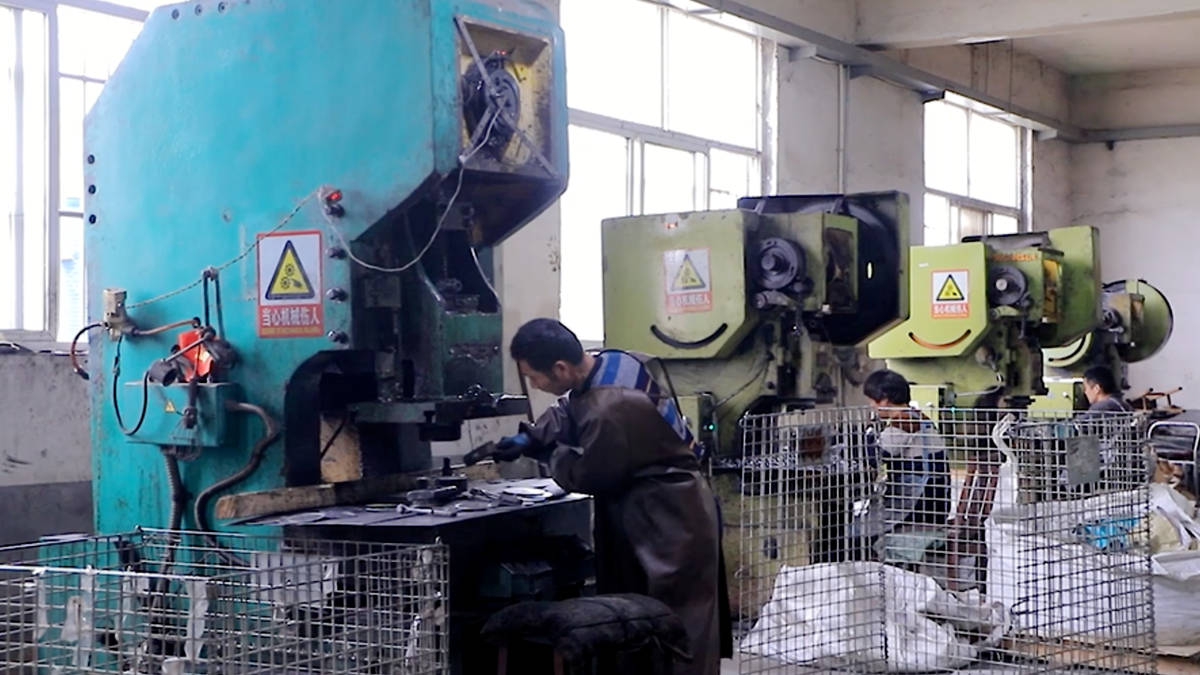
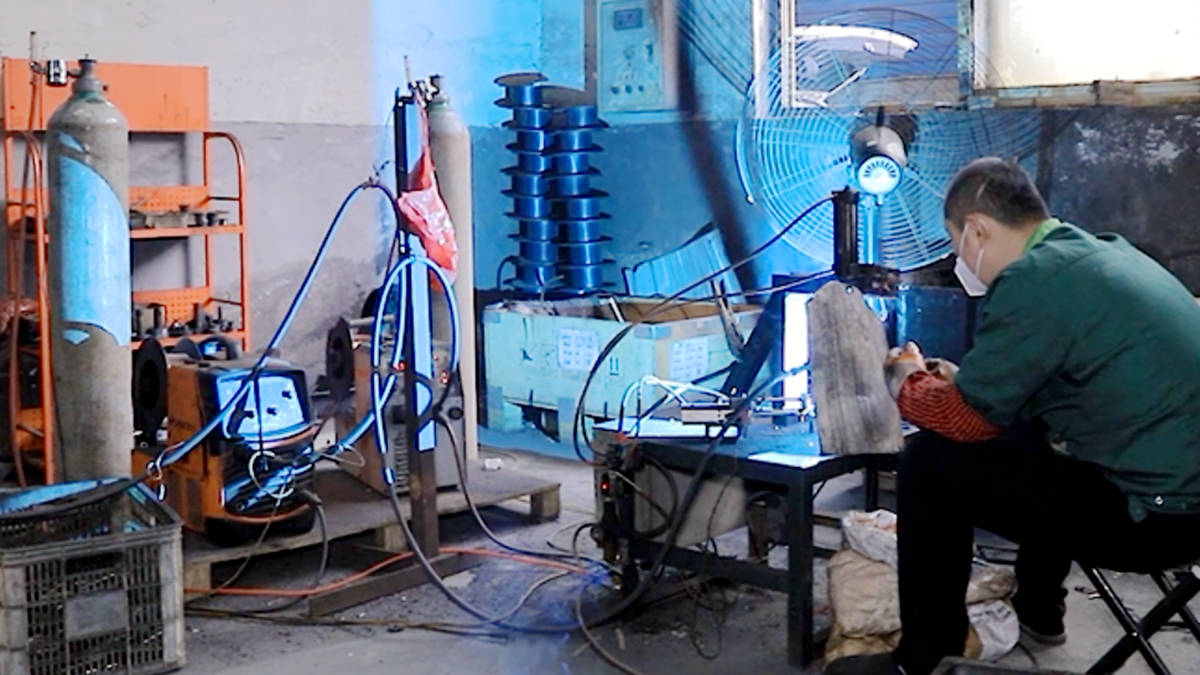
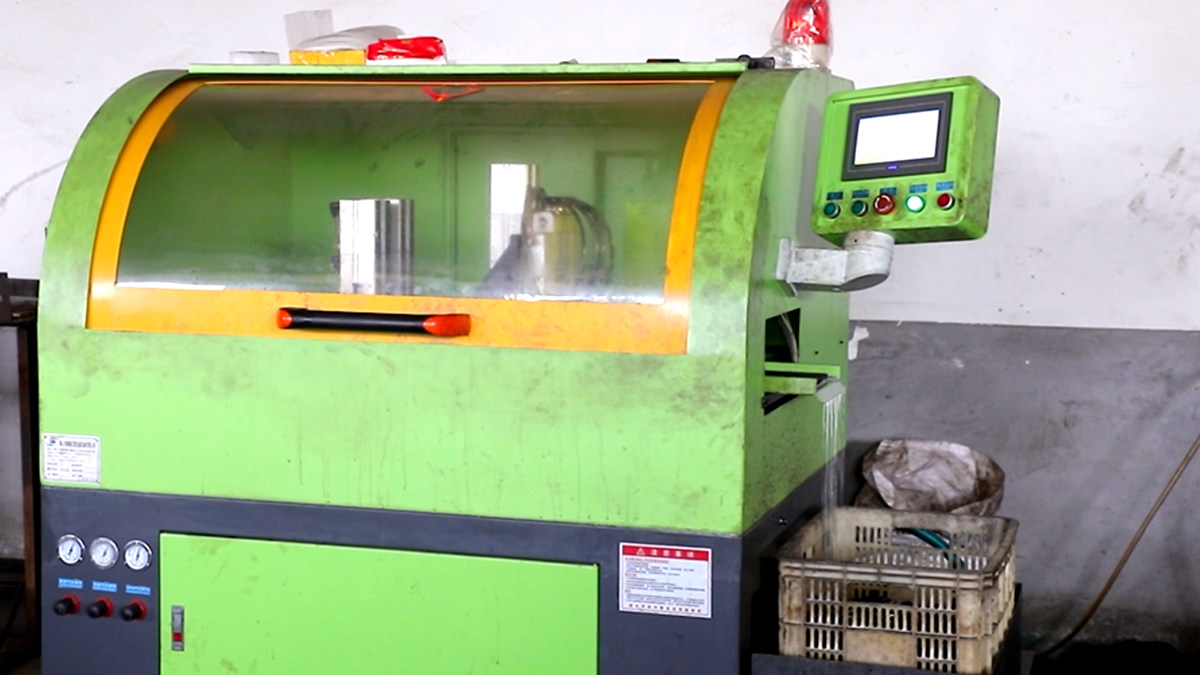
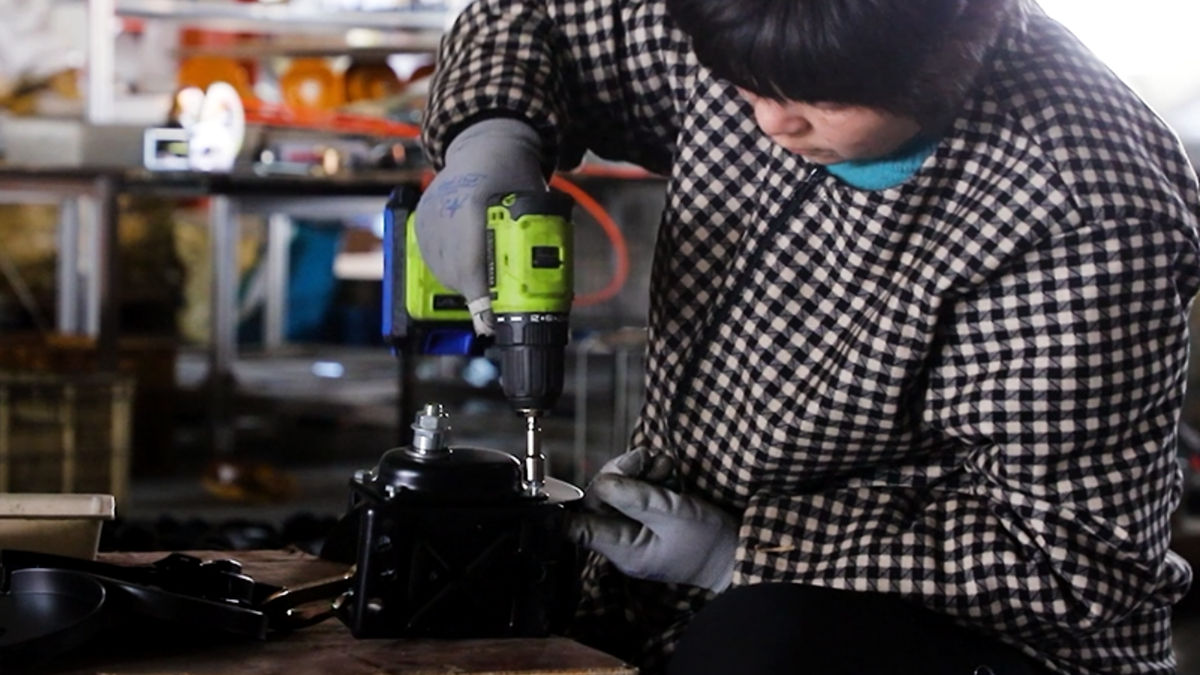
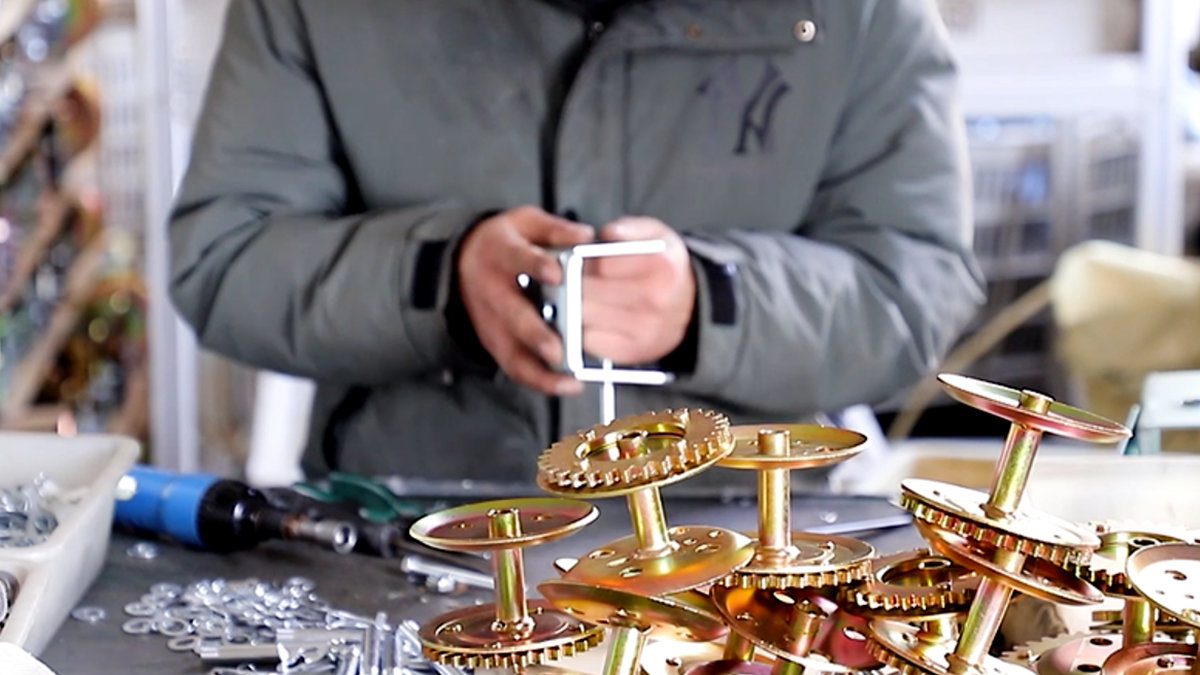
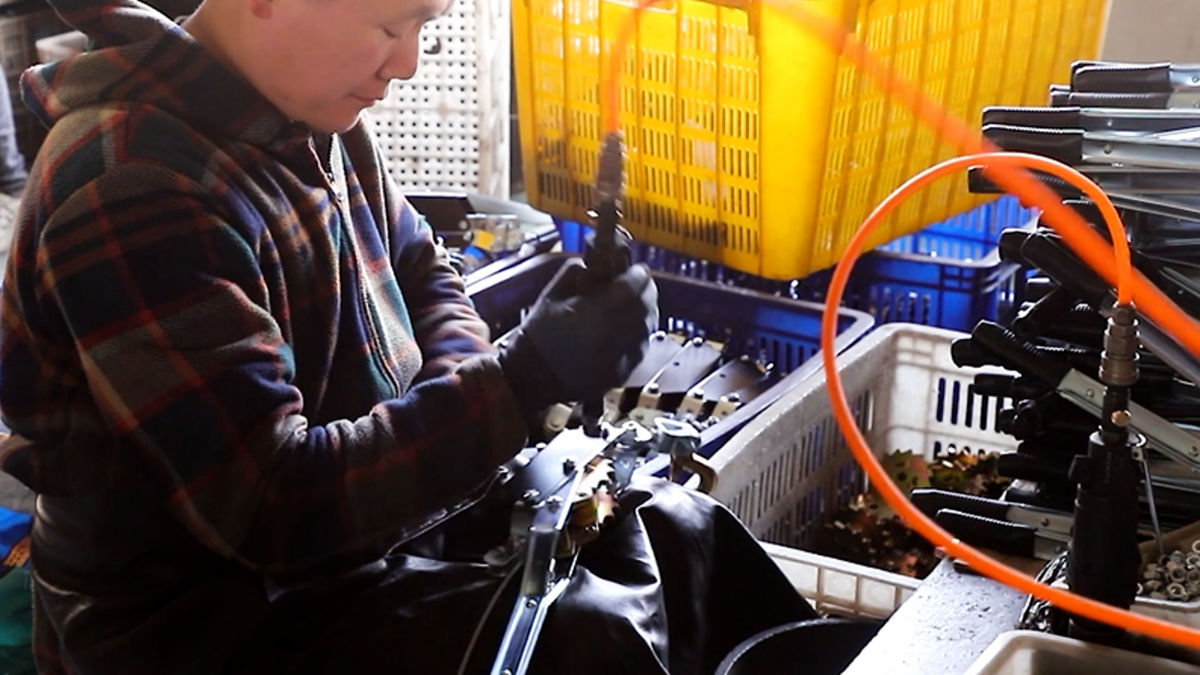
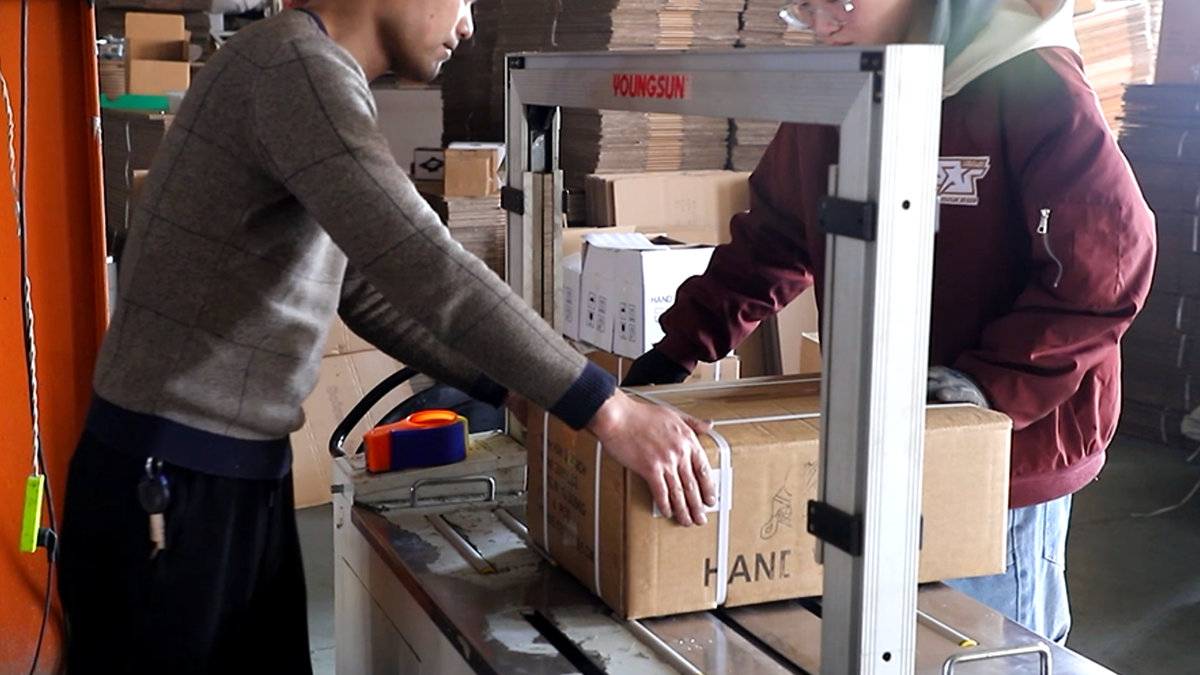
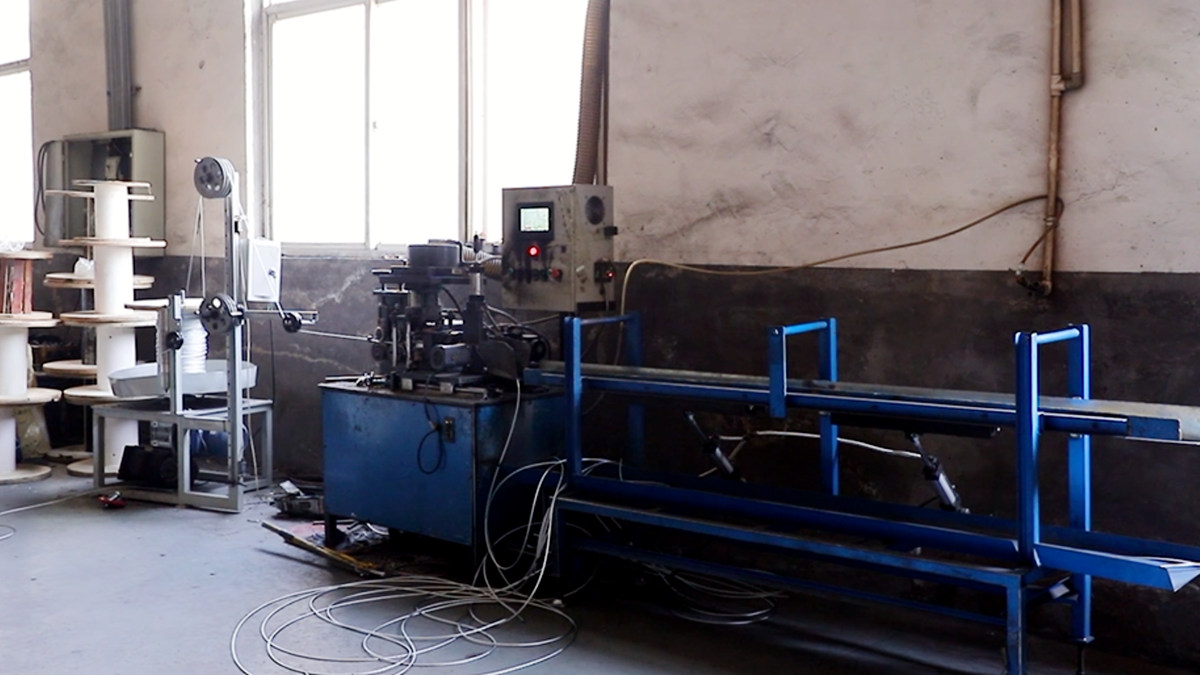
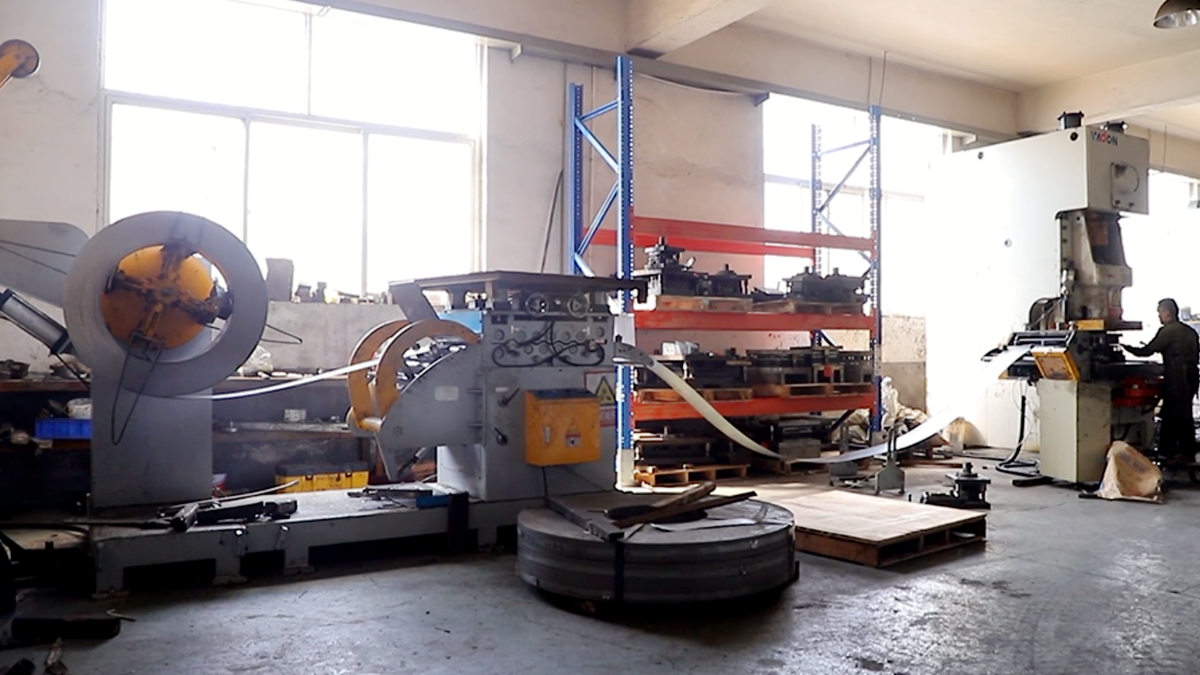
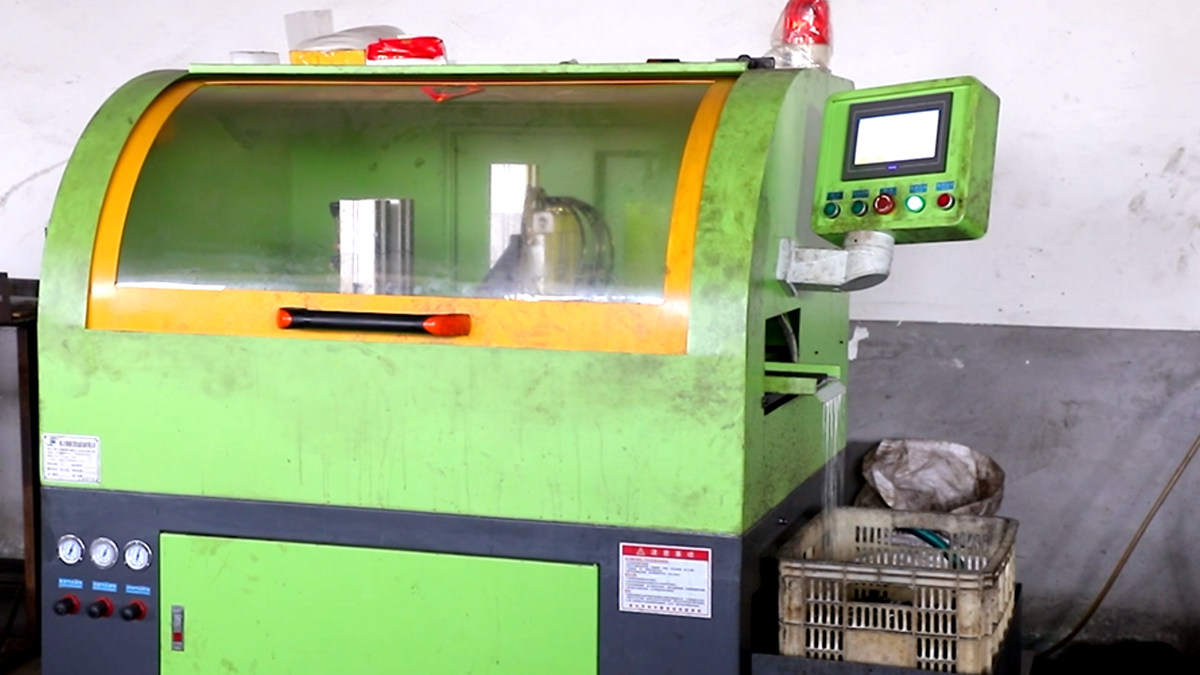
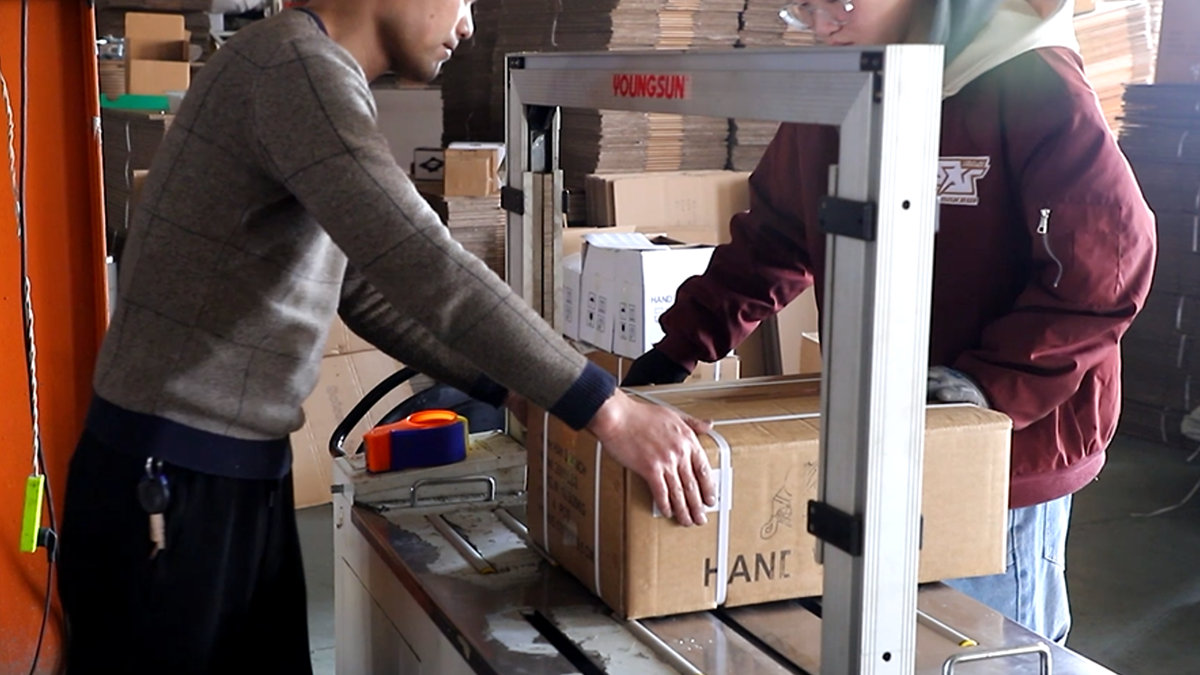
One of the primary reasons China remains the world's leading hub for tool manufacturing is its unmatched supply chain resilience and industrial cluster effect. For products like pruning shears, the integration of raw materials, processing machinery, and logistics infrastructure provides a strategic advantage that is difficult to replicate elsewhere.
By operating out of Zhejiang, we sit at the heart of China's advanced manufacturing corridor. Sourcing high-grade carbon steel, specialized springs, fasteners, and double-injection molded plastics takes hours instead of weeks, enabling highly responsive product runs.
Zhejiang Choppa Tools directly manages all manufacturing processes in-house—from cold cutting and hot forging to heat treatment, sandblasting, plating, assembly, and packaging. This reduces reliance on external subcontractors and guarantees strict quality control.
Through the use of modern CAD/CAM software and in-house tooling workshops, we can transition from design concepts to working metal prototypes in as little as 10 to 15 days, allowing global brands to respond quickly to changing market demands.
The garden and agricultural tool industry is undergoing a digital and structural shift. In our pursuit of innovation, we have outlined key technological trajectories that will define the next generation of pruning shears:
Moving beyond basic Teflon coatings, future tools will feature multi-layered Diamond-Like Carbon (DLC) and Titanium Carbonitride (TiCN) coatings. These materials offer extremely low friction coefficients and self-lubricating properties, reducing mechanical wear during intense pruning tasks.
Integration of skin-detection safety systems in electronic pruning shears. By generating a low-voltage electrostatic field on the blade, the system detects any contact with the operator's skin and stops the cutting stroke in milliseconds to prevent injury.
To support global sustainability goals, handle designs are shifting toward post-consumer recycled plastics reinforced with natural bamboo or wood fibers. This reduces carbon footprint while maintaining high impact resistance and structural integrity.
Professional pruning demands vary greatly based on geographical locations, crops, and climates. A successful supplier must design tools that cater to these specific environments:
Pruning tasks in apple, pear, and nut orchards require long-reach bypass pruners and heavy-duty anvil shears. Tools must cut hard, dry wood up to 30mm in diameter in sub-zero winter temperatures without blade chipping.
Vineyard managers in France, Italy, and Spain require lightweight, compact bypass secateurs. These tools must support high-frequency repetitive cuts (up to 10,000 cuts per day) while preserving the delicate wood fibers of the grapevines.
In humid tropical climates (e.g., rubber, durian, and cacao plantations), tools require superior rust resistance. Manufacturers must use high-chromium stainless steel or specialized chrome plating to prevent oxidation from high humidity and acidic plant sap.
Entering international retail chains and professional agricultural supply channels requires strict adherence to safety and environmental standards. Our facilities and products conform to key global regulatory frameworks:
Our quality management system is audited annually, ensuring that from raw material traceability to manufacturing process parameters, all actions are logged, standardized, and constantly optimized.
For hand tools and battery-powered shears, we carry German GS (Geprüfte Sicherheit) safety certification and European CE marking, guaranteeing conformity with essential health, safety, and environmental protection standards.
All plastic components, coatings, and structural adhesives used in our tools are tested to ensure they are free from hazardous substances, conforming to EU REACH chemical regulations and RoHS environmental guidelines.
To assist procurement managers, wholesale distributors, and brand owners in making informed sourcing decisions, we have compiled answers to key technical questions:
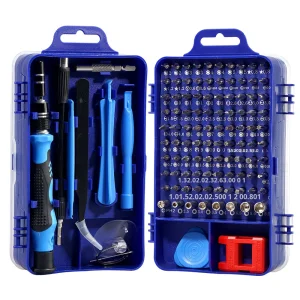
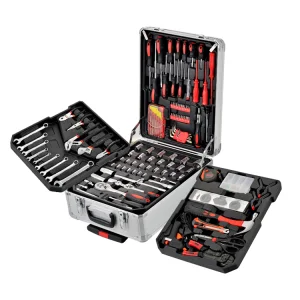
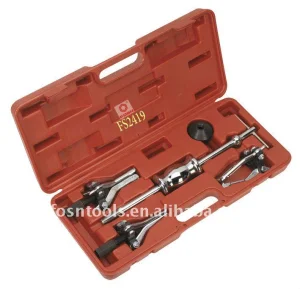
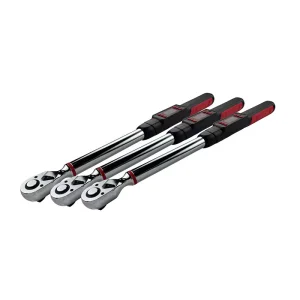
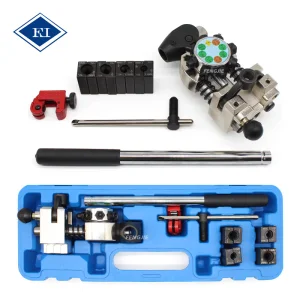
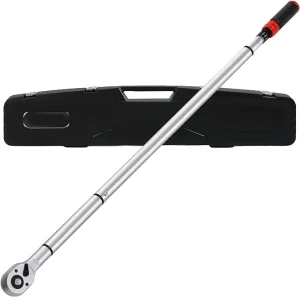
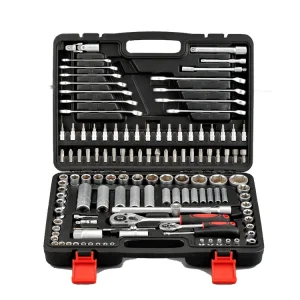
Discover our range of heavy-duty auto repair kits, precision torque wrenches, hydraulic pullers, and custom hardware solutions designed to meet strict commercial standards.