Choppa Tools
Choppa Tools
Choppa Tools
Discover our high-precision garage repair setups and industrial logistics security gear designed for heavy duty applications.
Analyzing technical innovations, international safety benchmarks, and market shifts toward smarter load containment.
In modern international logistics, cargo securing is no longer a matter of basic tensioning. Driven by strict regional regulatory frameworks (such as the European Union’s EN 12195-2 standard, North America's WSTDA guidelines, and Australia's AS/NZS 4380), cargo control has evolved into a highly engineered discipline. Ratchet straps (also known as tie-down straps) are at the forefront of this evolution. They must guarantee high load limits, resist abrasion, maintain tension under fluctuating dynamic forces, and prevent structural damage to cargo.
Historically, securing systems relied on steel chains and heavy-duty wire ropes. However, the transport safety landscape has shifted decisively toward synthetic high-tenacity webbing systems. Heavy-duty polyester webbing offers substantial benefits, including exceptional strength-to-weight ratios, minimal elongation (typically under 7% at maximum working load), and excellent chemical resistance to acids, oils, and UV exposure. As global supply chains accelerate, manufacturers must continuously optimize webbing composition and metal tensioning mechanics to prevent failures that could lead to catastrophic accidents, cargo loss, or heavy legal liabilities.
Next-generation ratchet straps utilize high-tenacity polyester (HTP) yarn treated with special polyurethane coatings to enhance cutting resistance and reduce water absorption. This ensures the straps maintain their tensile properties even under freezing conditions or continuous salt-water exposure during maritime transits.
Tensioning mechanisms are shifting toward heat-treated carbon steels and stainless steels with surface passivation (e.g., zinc-plating or powder-coating). This provides superior rust resistance, smoother mechanical leverage, and prevents premature release under severe dynamic vibrations on corrugated roads.
Under CE and EN regulations, ratchet straps must feature integrated, protected blue labels containing precise manufacturing data: Working Load Limit (WLL), Lashing Capacity (LC), Standard Tension Force (STF), Standard Hand Force (SHF), material type, and the manufacturer's name. Traceability is now a mandatory standard for global customs entry.
Understanding the strict lashing specifications, certification demands, and risk management of global commercial enterprises.
For industrial buyers, logistics fleets, and distribution networks across Europe, North America, and APAC, sourcing ratchet straps is not a transaction based purely on unit cost. Procurement directors focus on liability reduction, regulatory alignment, and long-term durability. A strap failing under tension during transit exposes the transporter to severe fines, cargo damage claims, and reputational risk. Therefore, suppliers must present verifiable certifications (CE, GS, TUV, ISO 9001) and prove their testing methodologies.
Furthermore, custom lashing requirements vary significantly by industry. Heavy-duty flatbed transport companies demand 4-inch straps with an LC of 5000daN and specialized chain anchors. Conversely, light commercial delivery fleets prefer 1-inch to 2-inch internal ratchet straps with spring-loaded E-track fittings. High-volume buyers seek manufacturers with comprehensive vertically integrated production lines to ensure uniform raw material quality, reliable lead times, and predictable pricing structures in an increasingly volatile global shipping environment.
European buyers demand that all load restraint assemblies comply with EN 12195-2. This requires destructive tensile testing of the lashing component to verify that the assembly breaks only at or above its designated Lashing Capacity (LC) and that the buckle can handle maximum rated lashing tension.
Global logistics companies mitigate geopolitical and port congestion risks by choosing manufacturers with massive raw material safety stocks and rapid prototyping services. The capability to fulfill complex OEM/ODM designs within 25-30 days is a significant competitive edge.
Reputable importers demand test certificates for every batch. The manufacturing process must incorporate calibrated tensile testing machines that pull sample straps to their destruction limits, recording stress-strain curves and validating structural integrity before shipment.
How advanced forging, computerized weaving, and rigorous automated quality control deliver cost-effective and ultra-reliable products.
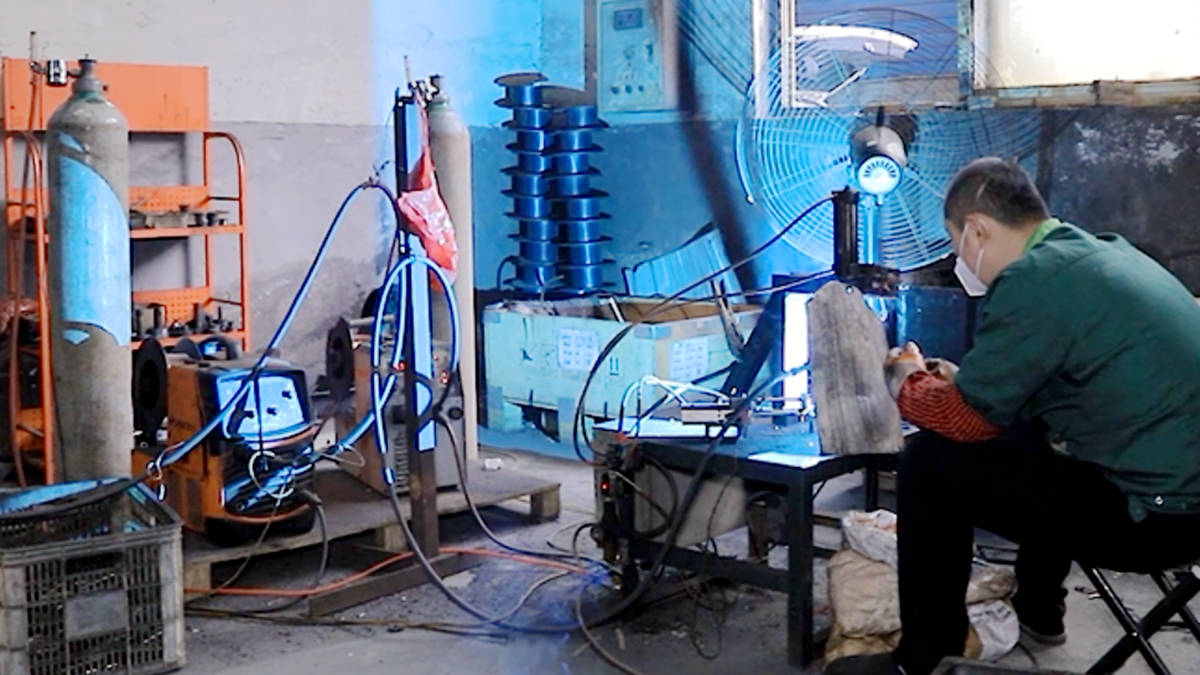
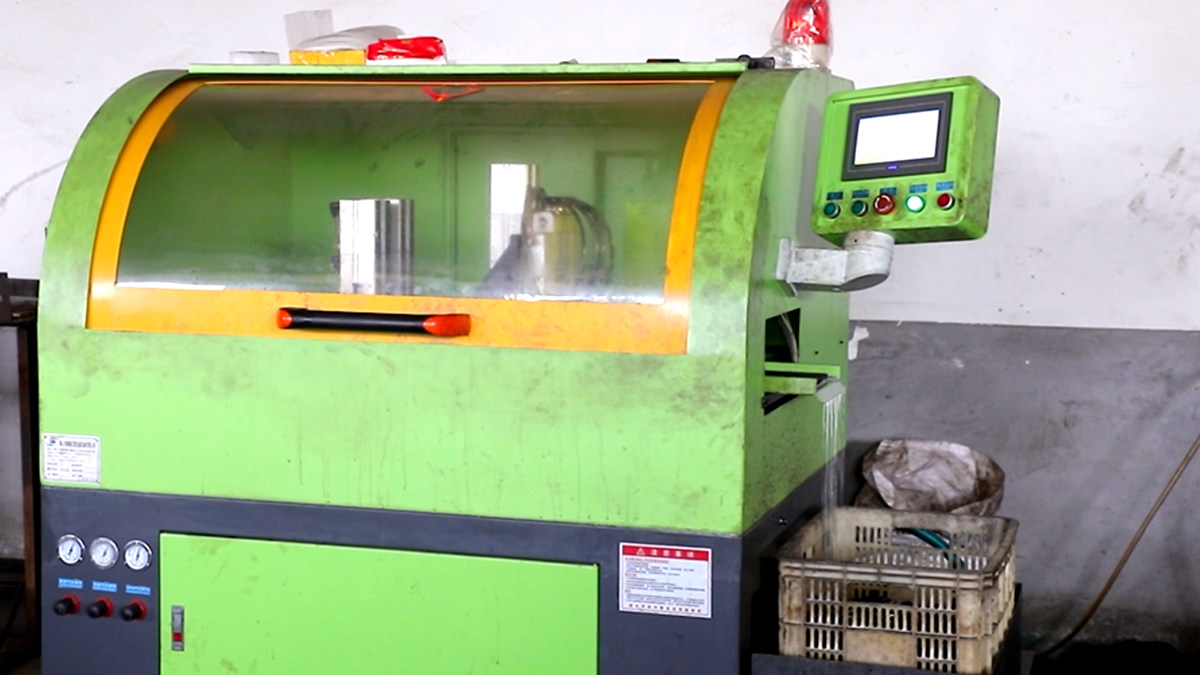
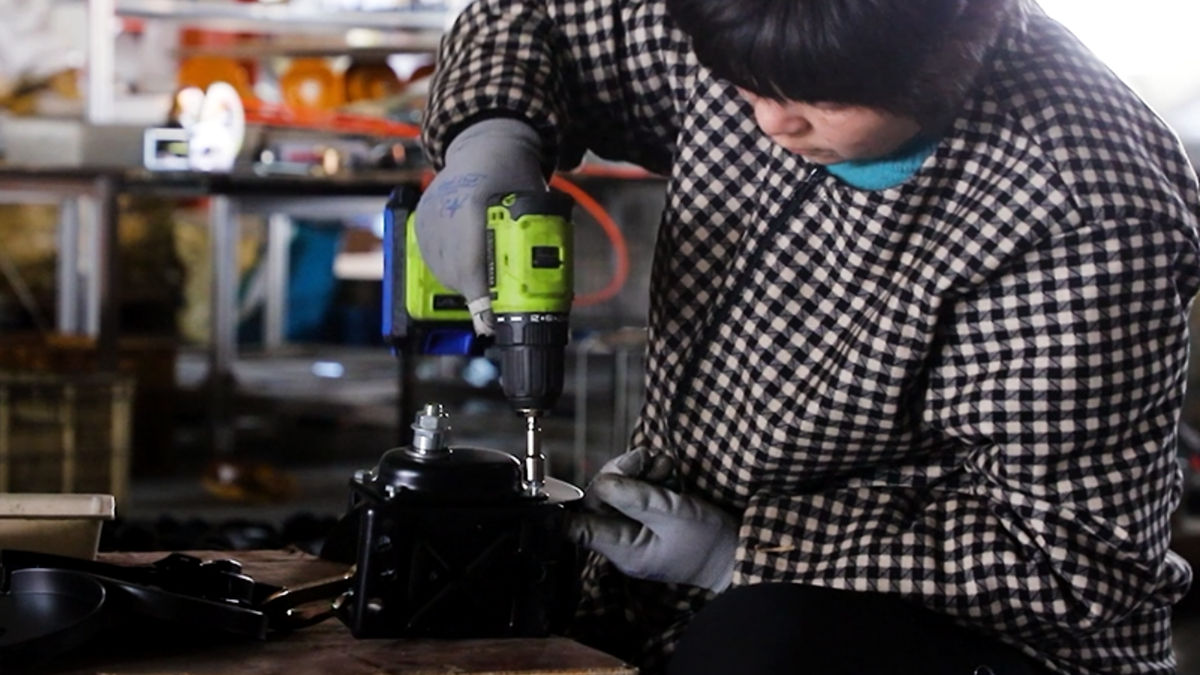
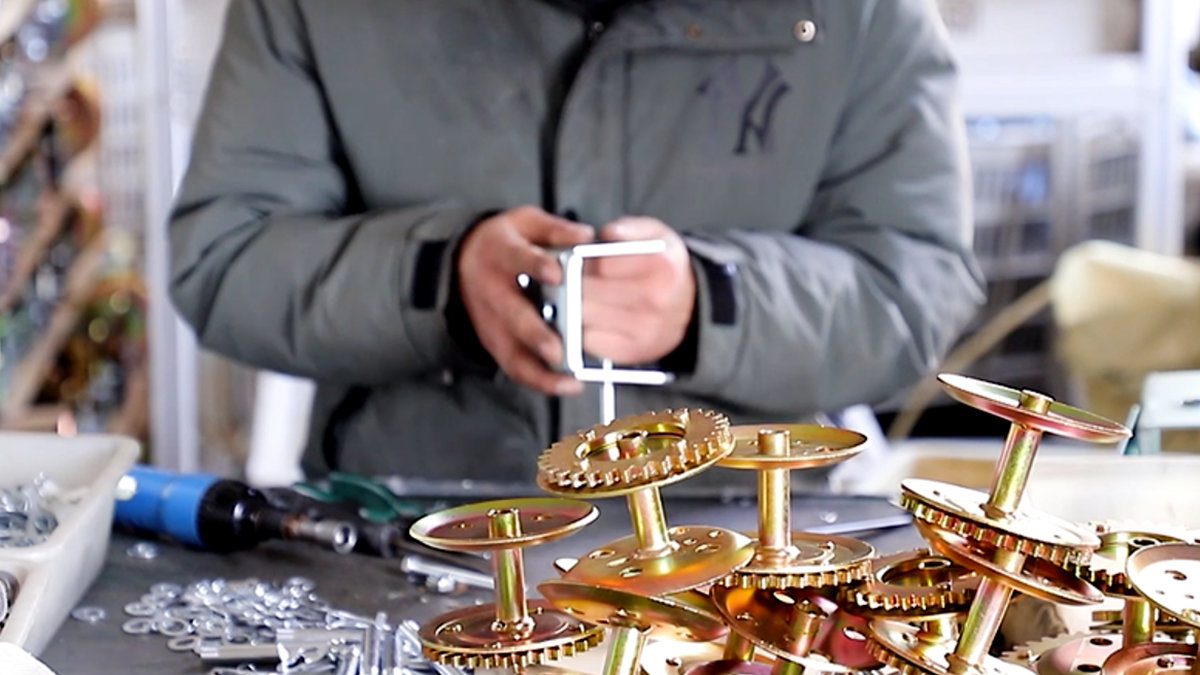
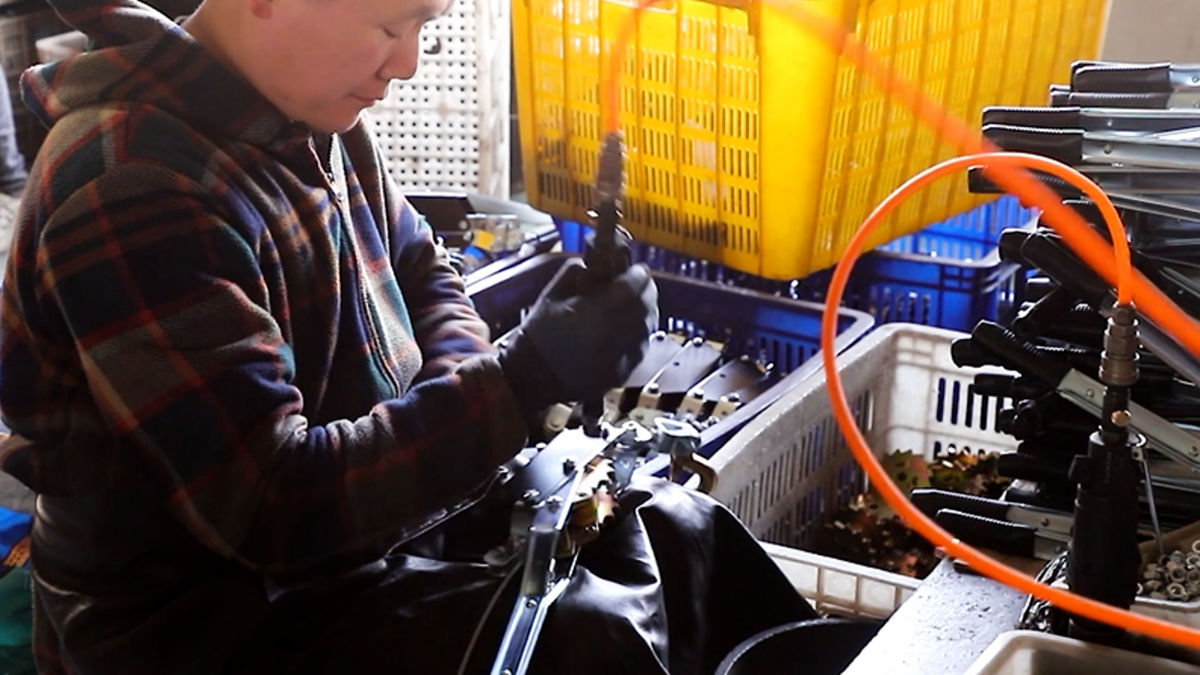
The manufacturing of heavy-duty tools and lashing systems in China has transitioned from labor-intensive assembly lines to smart, highly automated Factory 4.0 environments. Zhejiang Choppa Tools Co., Ltd. exemplifies this transition. By integrating raw material cutting, precision forging, CNC machining, robotic welding, automated heat treatment, and specialized assembly into one unified ecosystem, we control product quality at every micro-stage. This vertically integrated manufacturing model removes external dependencies, reduces material waste, and ensures absolute product consistency.
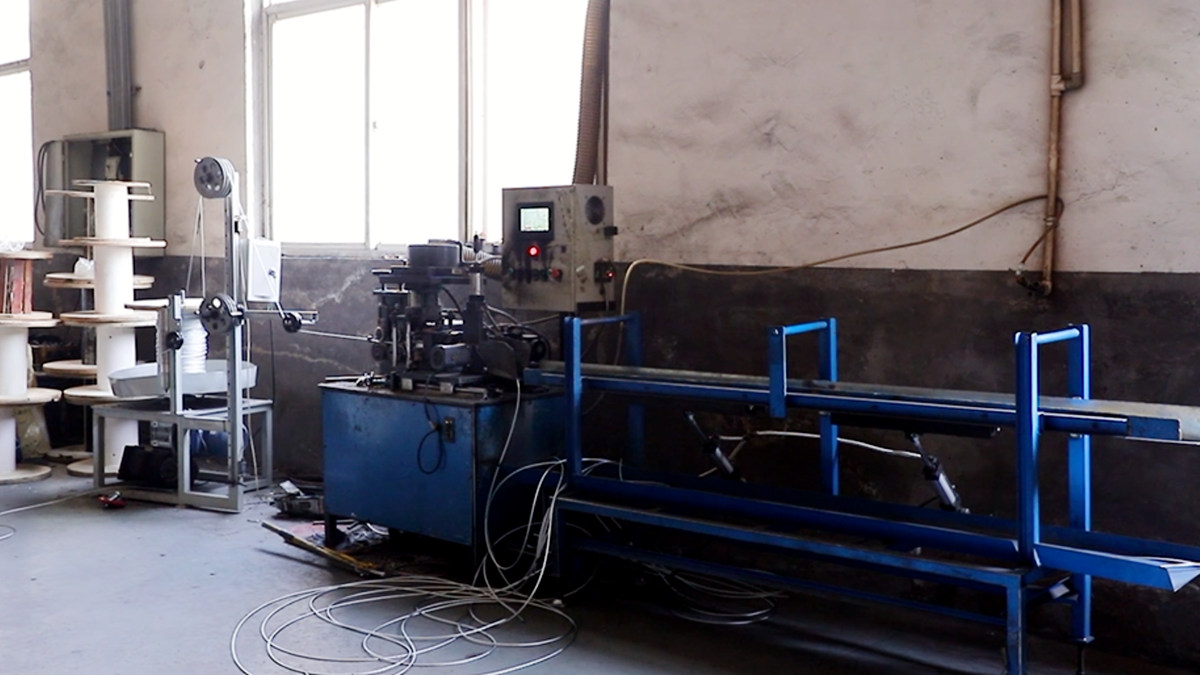
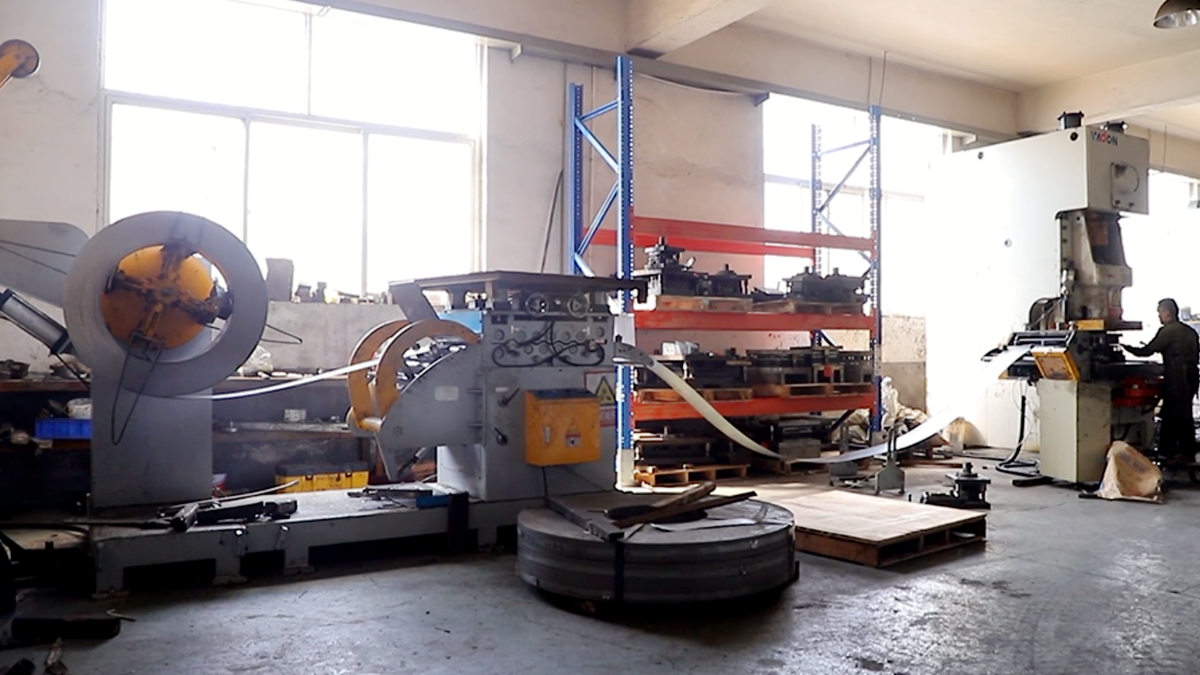
Modern lashing production involves advanced computerized narrow-fabric looms that weave high-density polyester yarn with high precision, maintaining structural uniformity across millions of meters of webbing. On the metal side, automated stamping presses and robotic zinc-plating lines construct high-strength buckles and hooks that are free from micro-cracks or surface imperfections. This industrial upgrade allows us to maintain a stable, resilient supply chain that cushions global buyers against price shocks, while delivering tools and hardware that reliably exceed European and American safety standards.
Our facility utilizes CNC-controlled forging lines to produce key structural components like pullers, wrench sockets, and hook connections, ensuring optimal grain flow and zero structural voids in the metal.
Precision-controlled quenching and tempering processes are employed to optimize the hardness and ductility of all structural metals, preventing brittle failure under sudden, high lashing pressures.
Our quality management system is fully ISO 9001 certified. We enforce strict multi-stage inspections, including raw material chemical testing, dimensional checking, and load performance testing.
Located in Zhejiang Province, China, our proximity to major international deep-water ports like Ningbo and Shanghai guarantees fast, direct, and cost-effective sea and air freight delivery.
Your premier manufacturing partner for professional automotive tools, garage equipment, and industrial hardware.
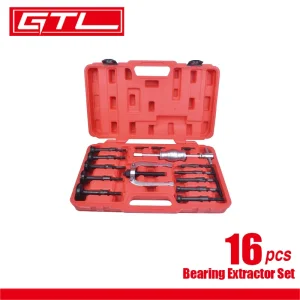
Zhejiang Choppa Tools Co., Ltd. is a professional manufacturer specializing in automotive special tools, bearing pullers, heavy-duty truck tools, and garage repair equipment. Headquartered in Zhejiang Province, China, the company was established in 2000 and has developed into a trusted supplier in the global automotive repair tool industry.
We are dedicated to providing high-performance, durable, and precision-engineered tools for professional users, covering a wide range of applications including automotive repair, industrial maintenance, truck servicing, and mechanical workshops. As an experienced industry manufacturer, we offer comprehensive OEM, ODM, and customized tool manufacturing services, helping global brands and distributors develop tailored product solutions that meet specific market needs.
Our philosophy is rooted in long-term partnership, continuous innovation, and strict quality control. Rather than reducing costs by compromising raw material quality, we focus on engineering durability, improving mechanical design, and supporting our partners with reliable supply capabilities. Our engineering teams closely monitor developments in modern vehicles and industrial equipment to ensure our tool line remains relevant, future-ready, and compliant with all international safety requirements.
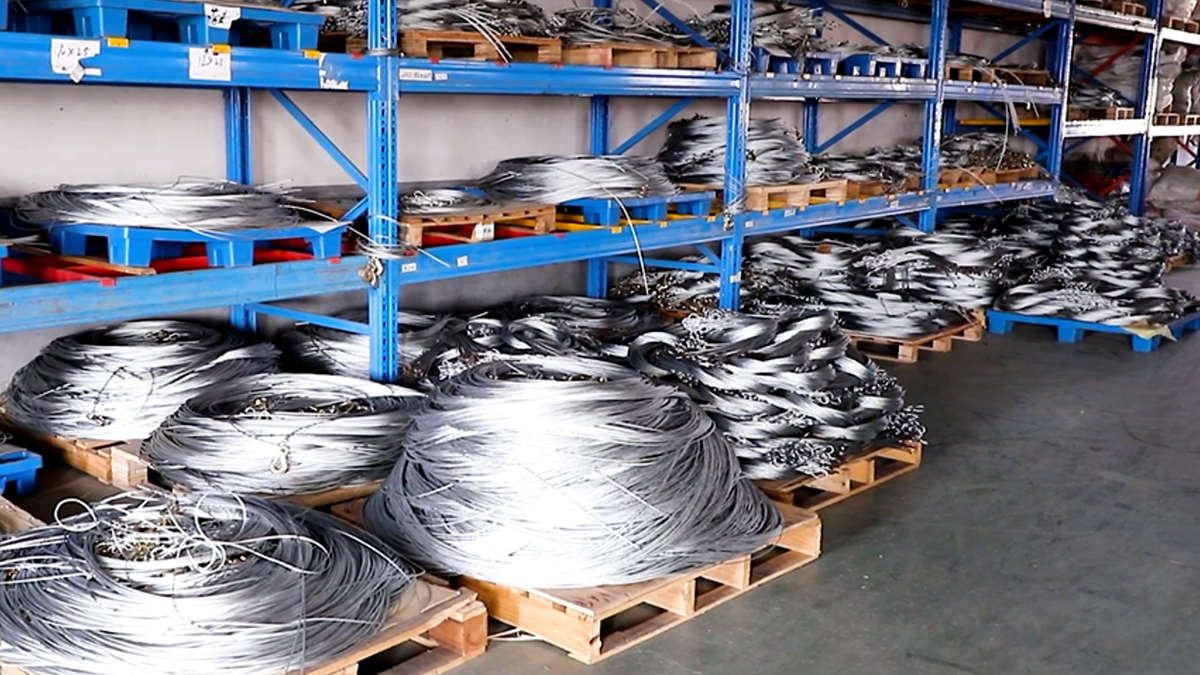
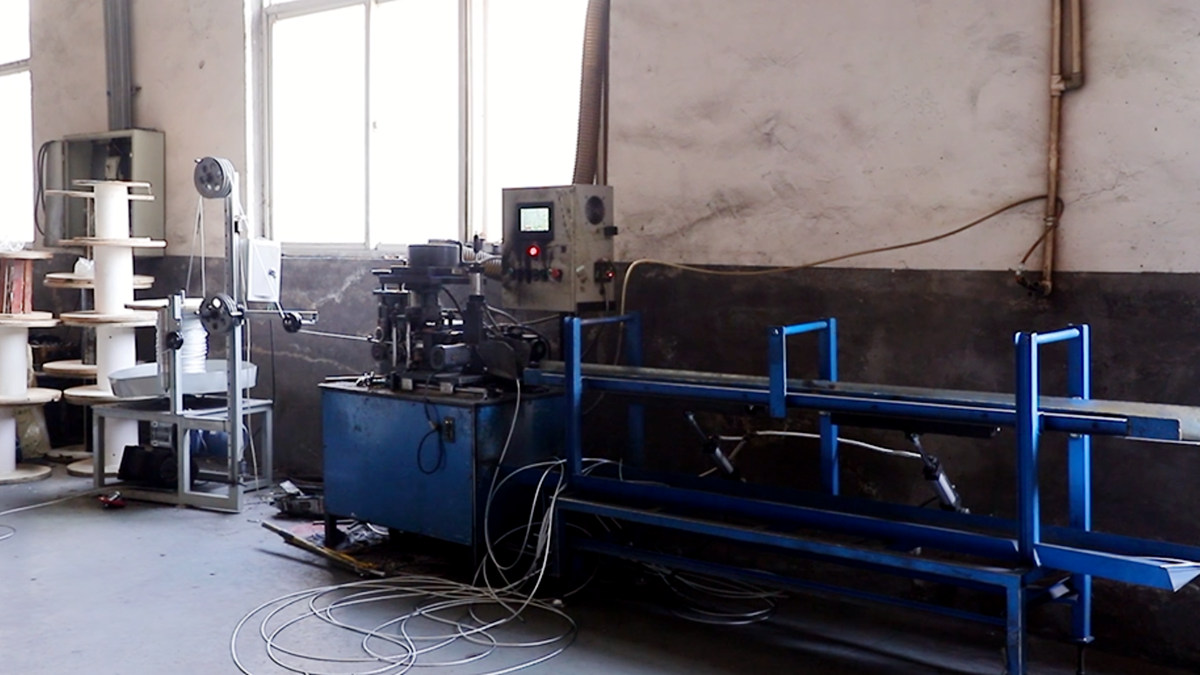
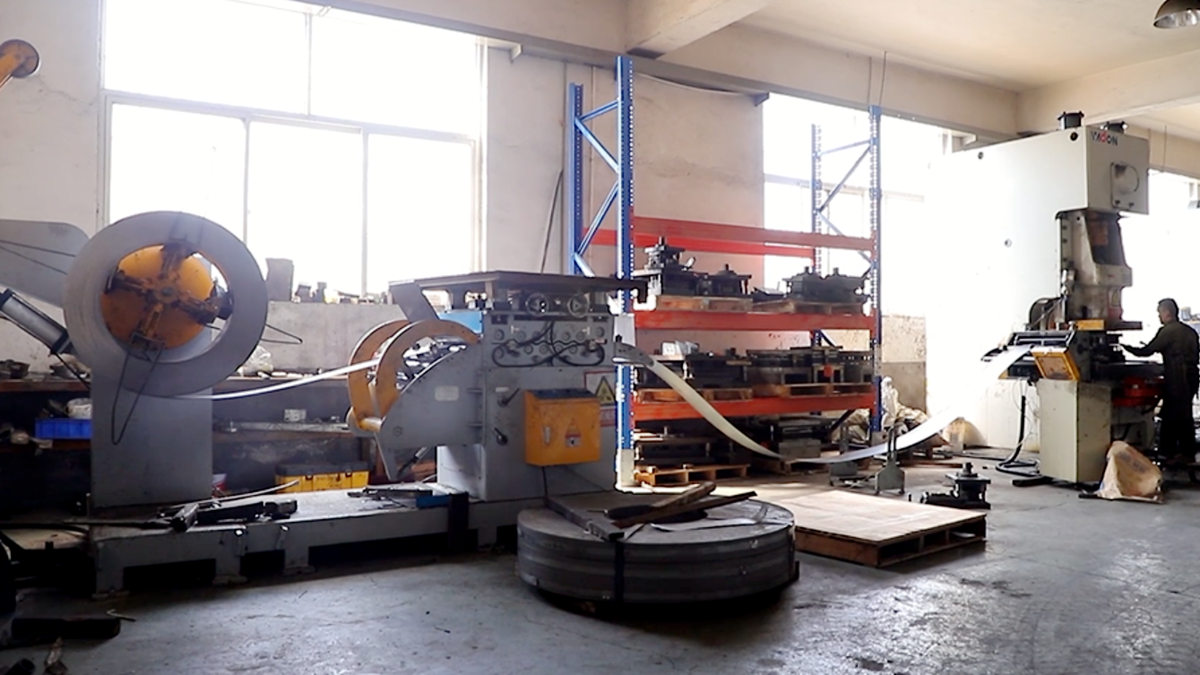
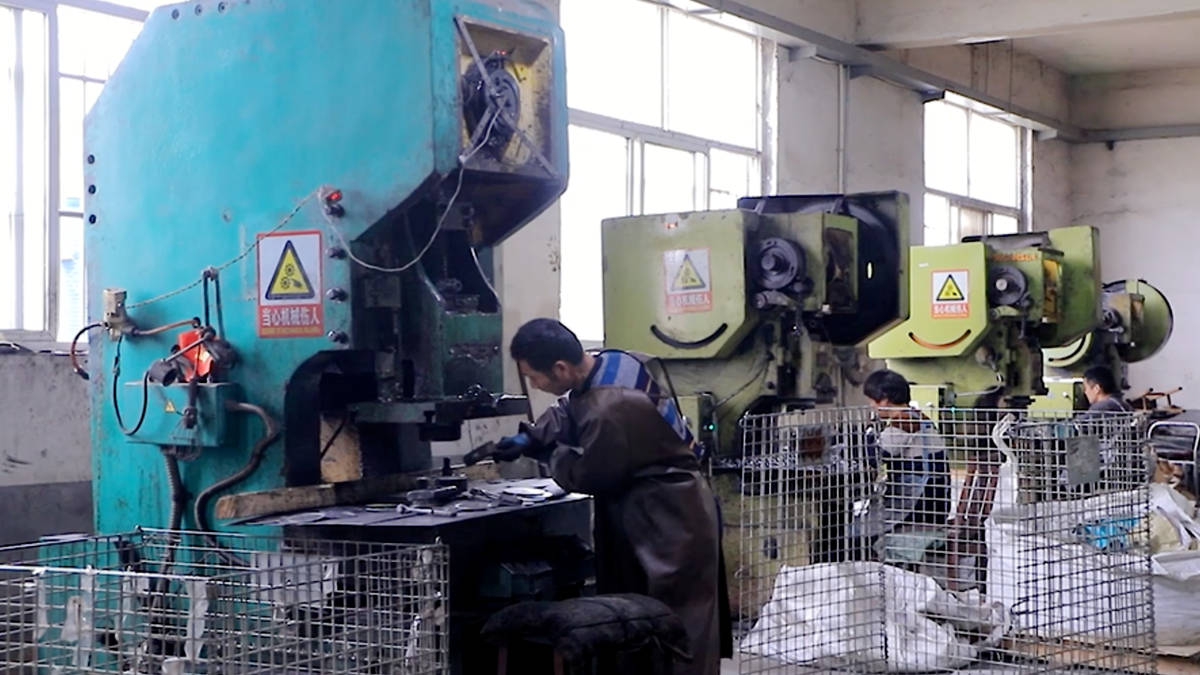
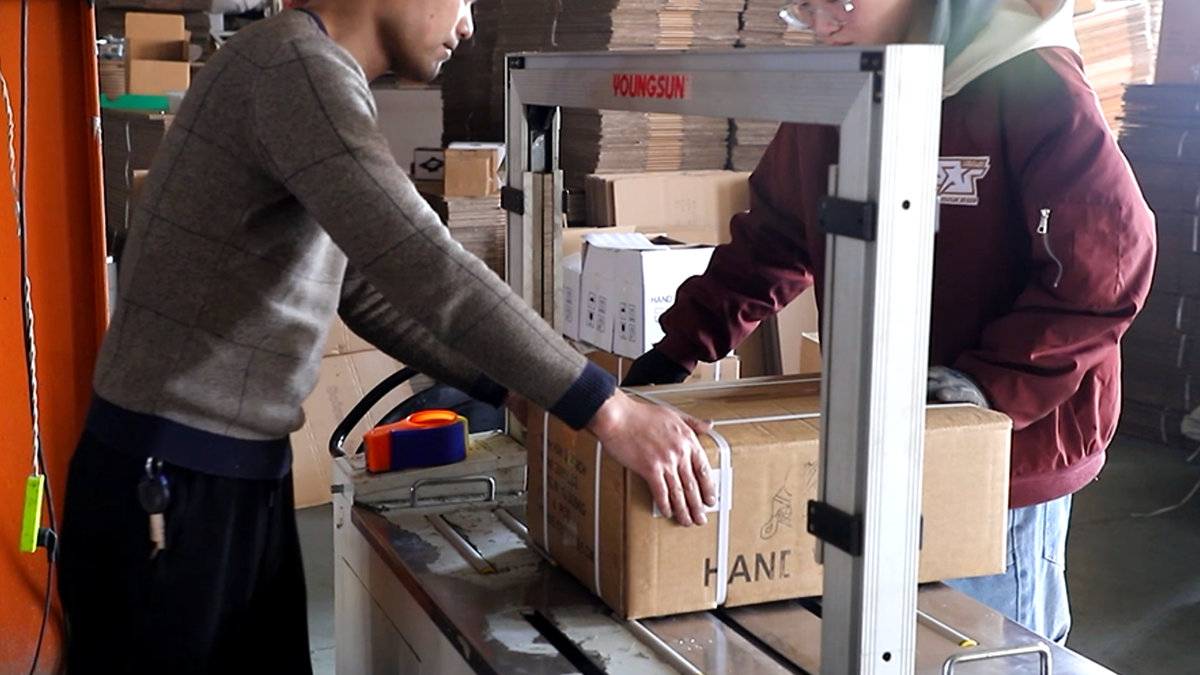
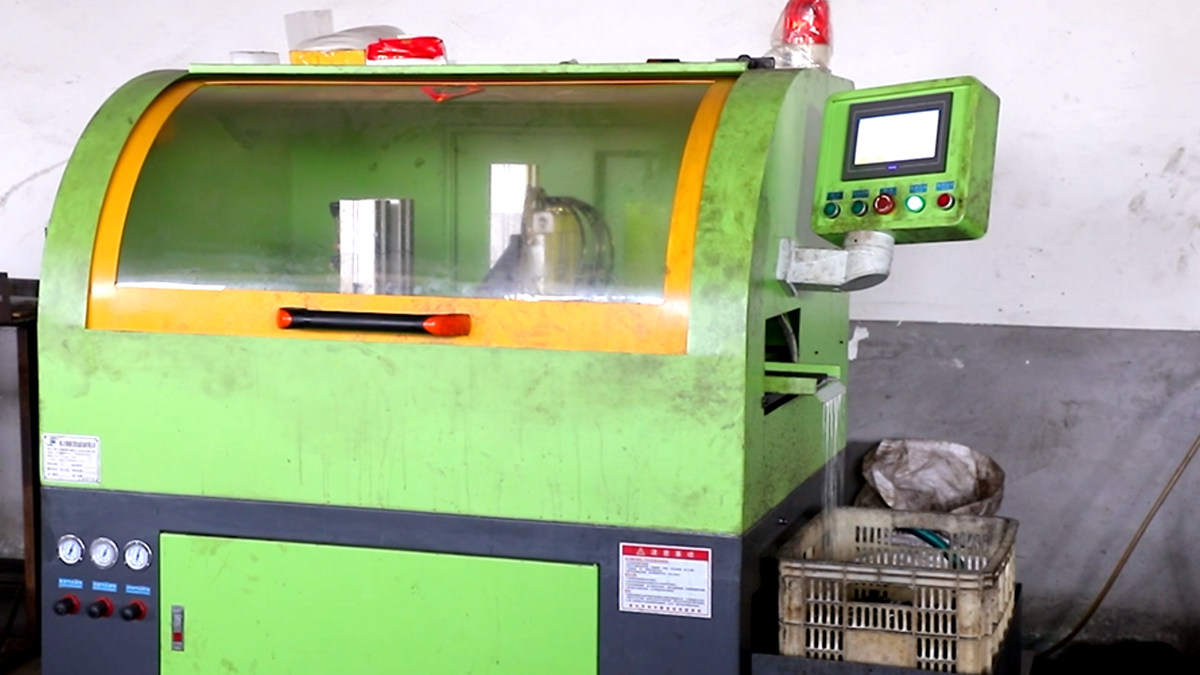
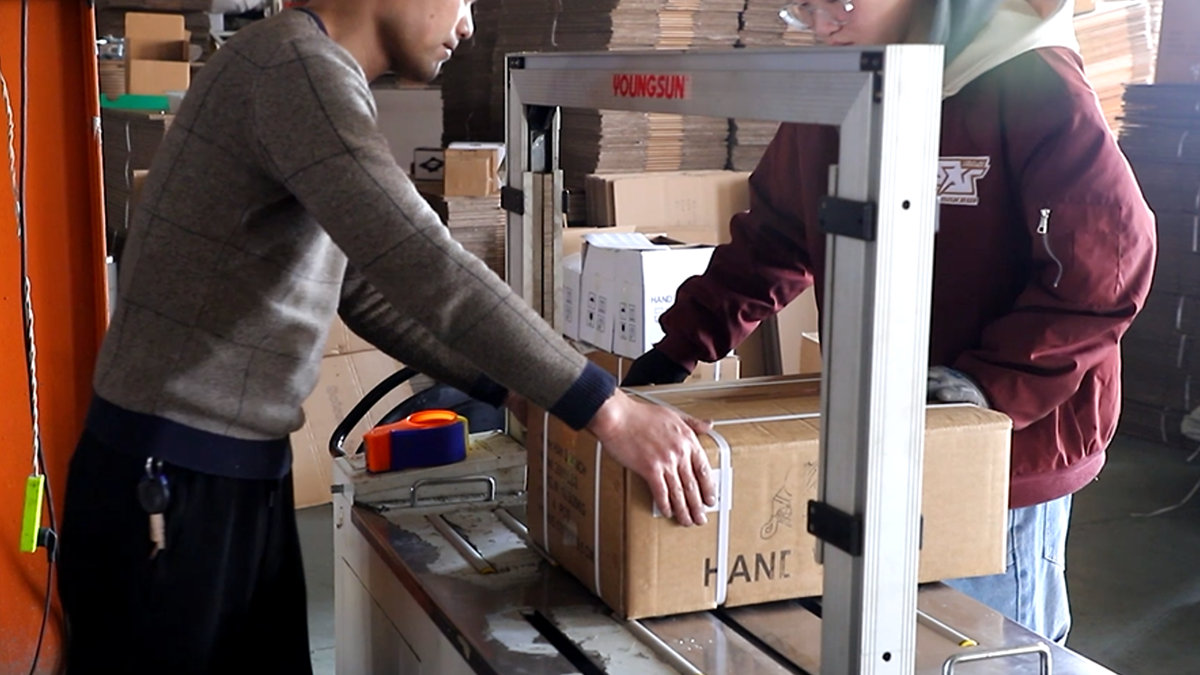
A transparent look inside our production facilities, highlighting the meticulous manufacturing stages that ensure our tools perform under pressure.
How different commercial sectors deploy CE Certified lashing systems to secure critical infrastructure and logistics.
Flatbed transporters haul heavy structural steel, concrete pipes, and industrial machinery. They rely on high-capacity ratchet straps with heavy-duty steel tensioning buckles and robust J-hooks to anchor cargo to trailer beds, preventing shift during high-speed braking and cornering.
Inside ISO cargo containers, securing industrial goods is critical for sea transits. Custom-length ratchet lashing assemblies with track fittings (such as E-track, A-track, or O-track clips) are used to build internal bracing structures, securing uneven cargo against ship pitch and roll.
Securing heavy construction plant machinery (excavators, loaders, tractors) requires lashing equipment that resists abrasion from dirt, gravel, and rough cast-iron components. Our high-tenacity polyester webbing handles friction and prevents mechanical slippage under pressure.
Detailed technical answers to the most common questions raised by industrial B2B procurement professionals.
CE Certification verifies that the ratchet strap complies with the essential safety and environmental protection requirements established by the European Union. In the context of tie-down straps, it means the product conforms strictly to the EN 12195-2 directive. This involves passing lashing capacity (LC) tests, standard tension force (STF) tests, elongation limits (less than 7% at LC), and proving that the lashing has been built in an ISO-audited factory environment with systematic batch tracking.
Lashing Capacity (LC) is a term defined under the European standard EN 12195-2. It represents the maximum force that a lashing system is designed to sustain during straight-line tension. Working Load Limit (WLL) is a term more commonly used under US/WSTDA guidelines, representing the maximum load that the lashing assembly should be subjected to during normal service. Typically, the lashing capacity is equivalent to half of the break strength of the entire system assembly, maintaining a 2:1 safety factor for cargo tie-down systems, whereas general rigging uses a 4:1 or 5:1 ratio.
Polyester (specifically high-tenacity polyester) is preferred over nylon and polypropylene due to three primary mechanical properties: minimal elasticity, high resistance to UV radiation, and excellent dimensional stability when wet. Polyester elongates significantly less than nylon under static tension, which prevents the cargo from loosening during transport. Additionally, it resists damage from acids and common petrochemical solvents found in shipping and trucking environments.
Our factory implements integrated manufacturing. We source certified structural steel alloys, cut and forge them in-house, and use computerized heat-treatment kilns. This allows us to control the hardening profile of the metal. Following heat treatment, our quality control lab performs Rockwell hardness testing and destructive hydraulic pull tests on every batch to ensure that our metal components will not shear, crack, or deform below their rated lashing capacity.
Yes. As a comprehensive OEM/ODM manufacturer, Zhejiang Choppa Tools provides complete private-label and customization solutions. We can manufacture webbing widths from 1 inch (25mm) up to 4 inches (100mm), with customized lashing capacities, end-fittings (double-J hooks, flat hooks, snap hooks, D-rings, E-track fittings), custom-colored webbing, and continuous logo printing. We also print custom-branded blue labels to comply with import regulations in your target country.
For standard bulk tool or custom ratchet lashing container orders, our production lead time is typically 30 to 45 days from deposit confirmation and design approval. This timeframe includes raw material cutting, metal forging, heat treatment, webbing weaving, robotic sewing, assembly, quality control testing, and final packing. Lead times may fluctuate slightly based on seasonal order volumes and customization complexity.
To maximize service life, ratchet straps must be stored in a dry, well-ventilated space out of direct sunlight when not in use. Continuous UV exposure degrades polyester fibers over time, reducing tensile strength. Straps should be cleaned of grit, mud, and road salt using mild soap and water, then air-dried. The metal ratchet mechanism must be lubricated periodically with a light machine oil or silicone spray to ensure smooth mechanical operation.
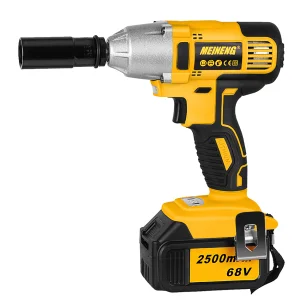
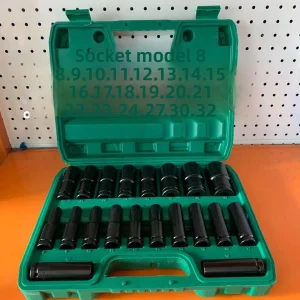
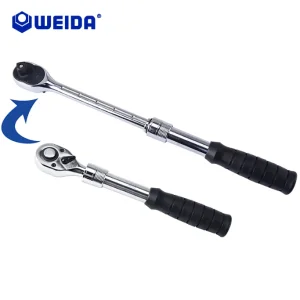
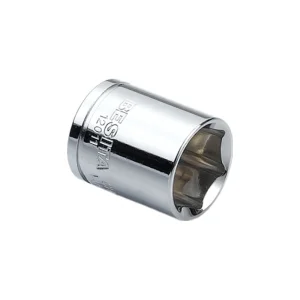
Explore our specialized line of automotive diagnostics, impact tools, and high-performance workshop accessories.