Choppa Tools
Choppa Tools
Choppa Tools
High-durability manufacturing configurations, custom component tooling, and industrial mechanics supporting global circular economy infrastructure.
The global waste management paradigm is shifting rapidly from a linear "take-make-dispose" model to a closed-loop circular economy. As municipalities, commercial properties, and industrial facilities face mounting regulatory and social pressures to minimize organic waste deposition in landfills, the deployment of robust composting infrastructure has graduated from a niche ecological preference to a global commercial mandate. High-quality, durable compost bins form the frontline of this transition, acting as critical nodes for collection, containment, and initial biological processing.
For procurement officers, municipal buyers, and international distributors, sourcing compost bins is no longer a matter of identifying simple plastic receptacles. Today's commercial and industrial environments demand highly engineered containment solutions capable of resisting severe biological decomposition stresses, localized weather variations, mechanical handling wear, and wildlife interference. In this rigorous context, partnering with a premier Custom OEM Compost Bins Supplier and Exporter is paramount to securing infrastructure assets that combine optimal design with long operational lifetimes.
Furthermore, local environmental compliance codes—such as those enforced by the US EPA, European Union’s Circular Economy Action Plan, and localized municipal bylaws—increasingly mandate specific performance thresholds for composting equipment. The design of these systems must prevent liquid leachate seepage (which pollutes local water tables), manage volatile organic compound (VOC) emissions, and regulate aerobic decomposition speeds. An OEM supplier with sophisticated tooling and material science capabilities can provide custom wall thicknesses, specialized lid locking mechanisms, and advanced aeration arrays tailored to the unique operational environments of the destination market.
Exploring next-generation engineering paradigms: from heavy-duty UV-stabilized thermoplastics to metal forging integration.
Next-generation compost bins require advanced material engineering. High-Density Polyethylene (HDPE) stabilized with carbon black and UV inhibitors ensures stability under intense solar radiation. For industrial environments, combining molded thermoplastics with structurally reinforced steel frames—leveraging advanced forging and stamping techniques—delivers optimal strength-to-weight ratios and unmatched durability.
Optimal organic composting depends on maintaining aerobic biological activity. Future-oriented OEM configurations integrate specialized ventilation channels, integrated carbon-filtration systems to mitigate odor emissions, and double-walled insulated basins to maintain thermophilic composting conditions (+55°C to +60°C) even in sub-zero climates.
To integrate seamlessly into modern municipal waste loops, compost bins must interface reliably with hydraulic lifting arms on garbage trucks. This requires reinforcing bin collars, utilizing robotic structural welding for stress points, and running finite element analysis (FEA) testing on physical components to ensure long service cycles.
As we look to the future of smart waste management, composting hardware is rapidly merging with digital technology. Sensor integrations, including IoT fill-level monitors, temperature probes, and RFID tracking chips, are becoming standard features for smart city tenders. OEM manufacturers must possess the precision engineering capabilities to integrate these electronic housings directly into the physical structure of the bins without compromising structural integrity or weatherproofing.
In the highly competitive global procurement market, the efficiency of the manufacturing base defines the ultimate value delivered to the buyer. Chinese manufacturing has evolved from a volume-focused industry to a high-end, technologically sophisticated cluster. As a leading manufacturer with over 25 years of specialized expertise in precision engineering, forging, and heavy-duty fabrication, Zhejiang Choppa Tools Co., Ltd. leverages a highly optimized production pipeline to support global partners requiring high-performance OEM custom products.
Our modern manufacturing facility, headquartered in Zhejiang Province, features state-of-the-art forging lines, advanced CNC precision machining centers, specialized heat treatment operations, and automated robotic assembly lines. The very same industrial competencies required to manufacture high-strength automotive special tools, bearing pullers, and heavy-duty truck garage gear are applied directly to our custom environmental containment systems. By using premium raw materials (such as high-grade alloy steel, specialized high-tensile fasteners, and corrosion-resistant powder coatings) along with strict ISO 9001 quality control processes, we ensure that every custom compost bin structure we deliver exhibits exceptional mechanical resilience.
Furthermore, China’s industrial ecosystem provides unparalleled supply chain resilience. Through localized networks of component suppliers, deep-water port access (Ningbo/Shanghai), and integrated raw material sourcing, we minimize production lead times and insulate clients from logistics shocks. Our engineering team can rapidly design, prototype, and produce customized tools, mold variations, and heavy-duty structural frames, allowing clients to respond quickly to changing regulatory mandates and environmental policies.
From urban micro-grids to massive industrial agricultural setups, custom OEM compost bins provide the foundation for ecological sustainability.
In densely populated metropolitan zones, municipal curbside programs require space-efficient, odor-sealed organic waste bins. Custom OEM options include rodent-proof metal linings, color-coded identification options (to prevent cross-contamination), and specialized ergonomic handles that facilitate manual or automated cart collection by waste services.
Large hotels, universities, and commercial food courts generate high volumes of food waste. These applications require high-capacity, heavy-duty organic bins featuring chemical-resistant inner liners, leak-proof joints, and integration with mechanical lifters to guarantee workplace safety and operational efficiency.
Rural co-ops and local community gardens need compost bins with large footprints and high modularity. Our custom options include modular configurations, open-slat aeration panels, and ground anchors designed to survive outdoor environments for decades without structural degradation.
As a seasoned supplier in the global arena, Zhejiang Choppa Tools Co., Ltd. prioritizes strict compliance with international manufacturing and environmental standards. We understand that our commercial clients operate under tight regulatory frameworks, and any supply failure could disrupt major municipal or commercial programs. Our production facilities operate under a comprehensive quality management framework designed to satisfy the most stringent global standards.
Key standards maintained throughout our design, molding, casting, and finishing stages include:
By enforcing these strict manufacturing guidelines, we protect our clients' brands and ensure smooth custom clearance, risk mitigation, and outstanding long-term durability in field operations.
Addressing technical, logistics, and customization inquiries for global procurement managers.
1. What custom OEM options are available for compost bin structural designs?
We offer comprehensive OEM customization. This includes custom branding (hot stamping, embossing, screen printing), variable wall thicknesses, custom lid designs (animal-resistant locks, air filters, sliding ports), specific mechanical lift attachments, and unique color options to match municipal sorting programs.
2. How does Zhejiang Choppa Tools ensure durability under extreme climates?
We integrate high-grade UV stabilizers (UV8-rated levels) and carbon black into our raw thermoplastic materials. For metal assemblies, we utilize hot-dip galvanization and outdoor-grade industrial powder coatings, ensuring resistance to rust, fading, and brittleness in temperatures ranging from -40°C to +80°C.
3. What is the typical Minimum Order Quantity (MOQ) for custom compost bin designs?
Standard product adjustments require lower MOQs, typically starting at 500 units. For completely custom designs that require new tooling molds, the MOQ is determined based on part dimensions, projected raw material consumption, and molding machinery configurations.
4. Can your facility integrate smart electronic sensors for IoT waste management?
Yes, we can design specialized internal brackets, structural cavities, and weather-sealed housings to accommodate third-party IoT sensors, fill-level monitors, temperature probes, and RFID chips directly into our molded structural components.
5. How does the factory manage leachate leak prevention?
We use seamless high-pressure injection molding for all plastic bins to eliminate joint lines. For metal and hybrid containers, we use automated robotic welding along with specialized elastomer seals and gaskets, ensuring liquid leachate is fully contained.
6. What testing protocols are utilized prior to global dispatch?
Every batch undergoes drop testing, load stress evaluation, lid cycle tests, chemical-resistance checks, and forklift handling simulations. This ensures the structural components meet all standard international handling requirements.
7. What is the standard lead time for global shipments?
For standard models, production takes approximately 30 to 45 days. Custom tool design and trial production cycles add 15 to 30 days. Our proximity to major shipping ports (Ningbo and Shanghai) ensures transit times are kept to an absolute minimum.
8. Are the materials used in the compost bins recyclable?
Yes, our HDPE and PP polymer bases are 100% recyclable at the end of their operational lifecycle. We also offer options incorporating post-consumer recycled (PCR) resins for organizations aiming for net-zero carbon footprints.
Deep dive into the 14-step manufacturing sequence ensuring maximum quality control and structural integrity.
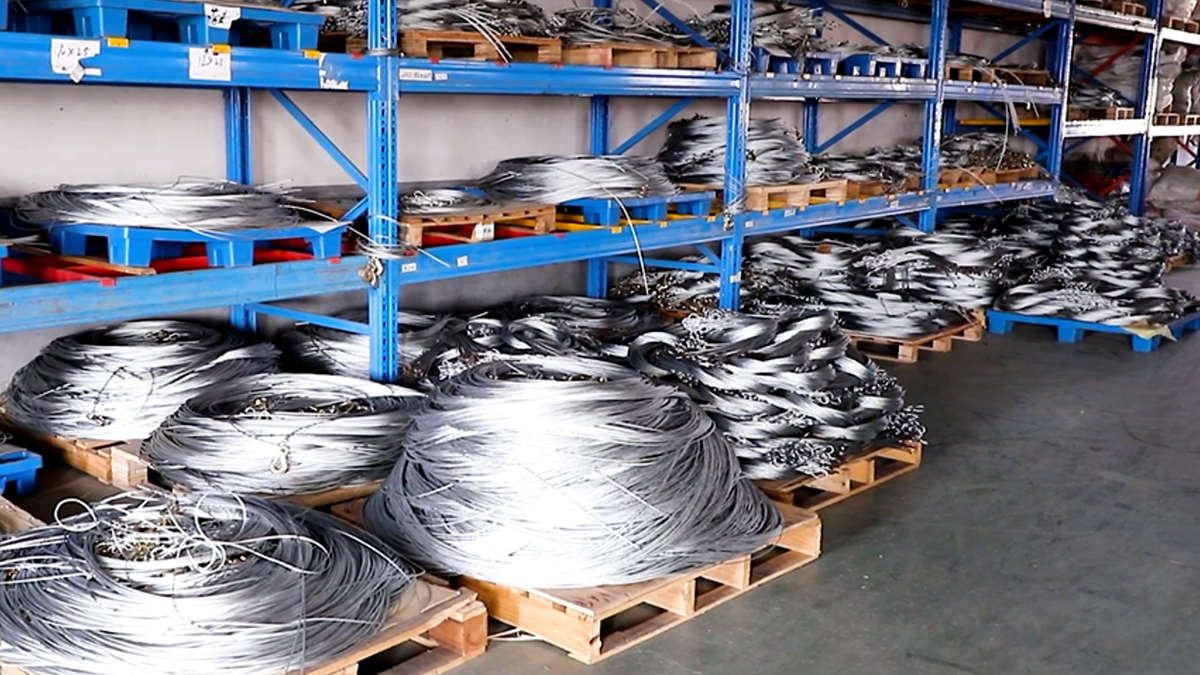
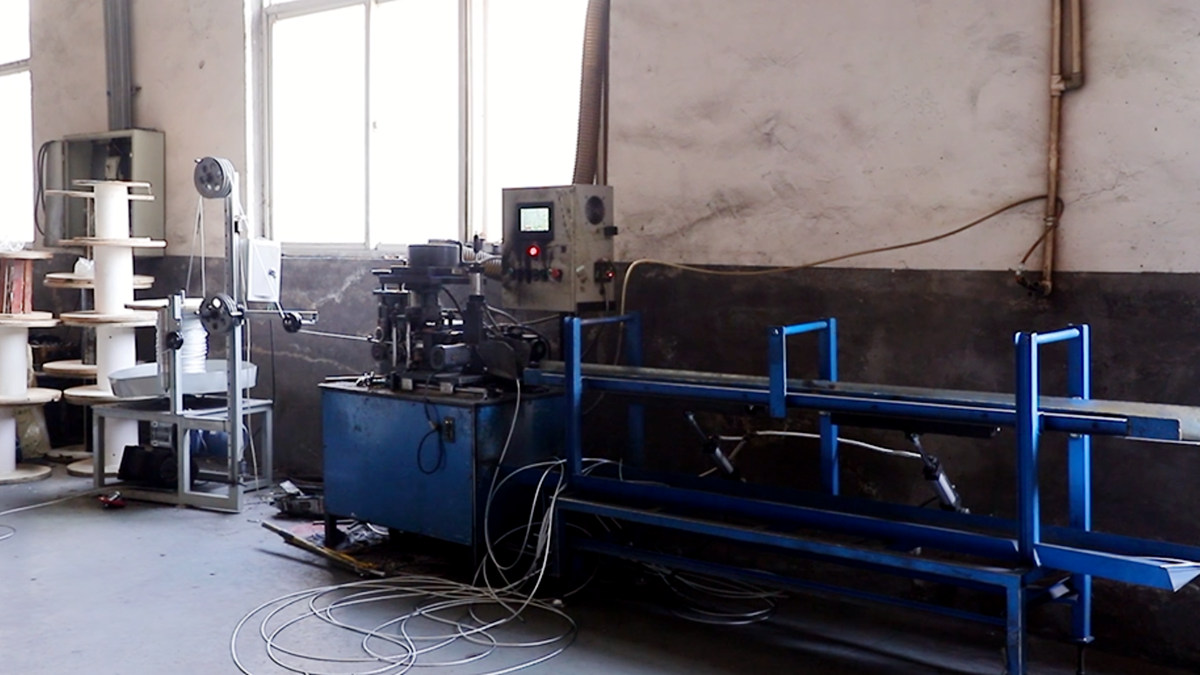
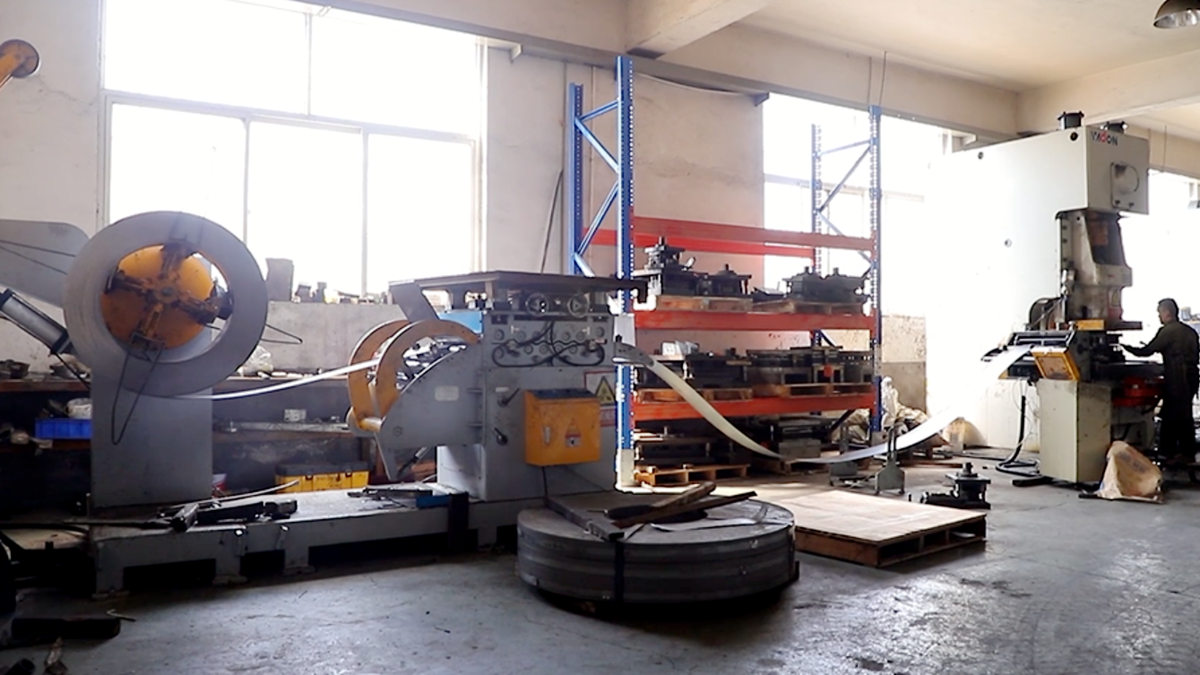
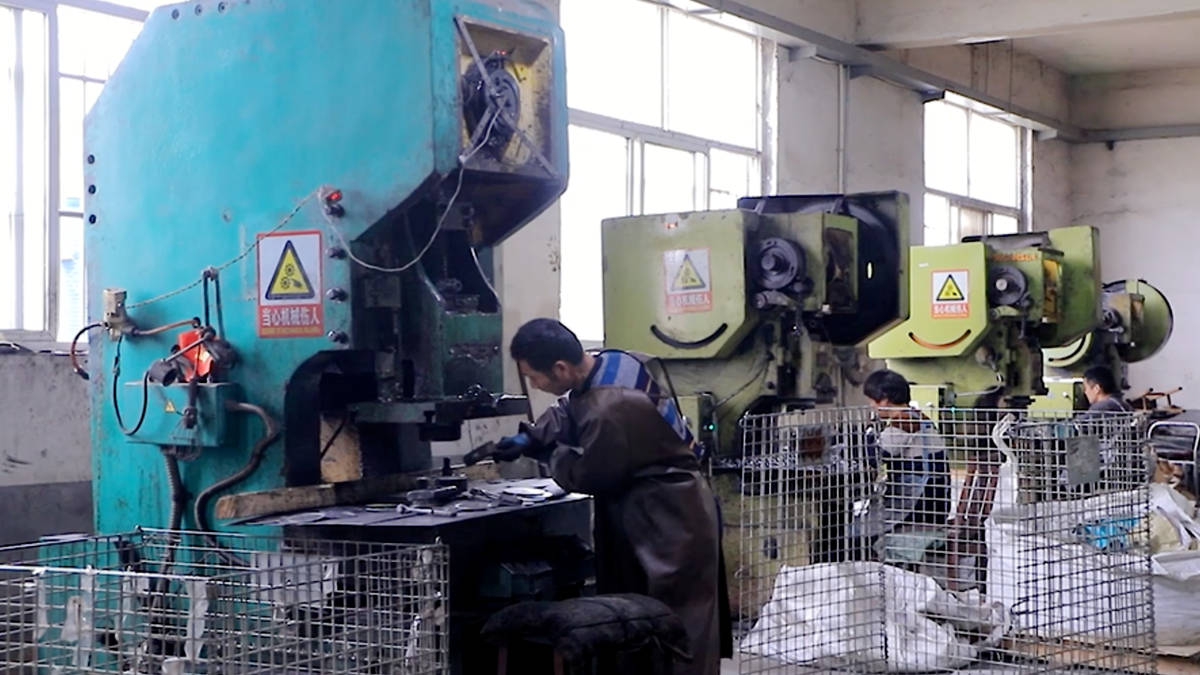
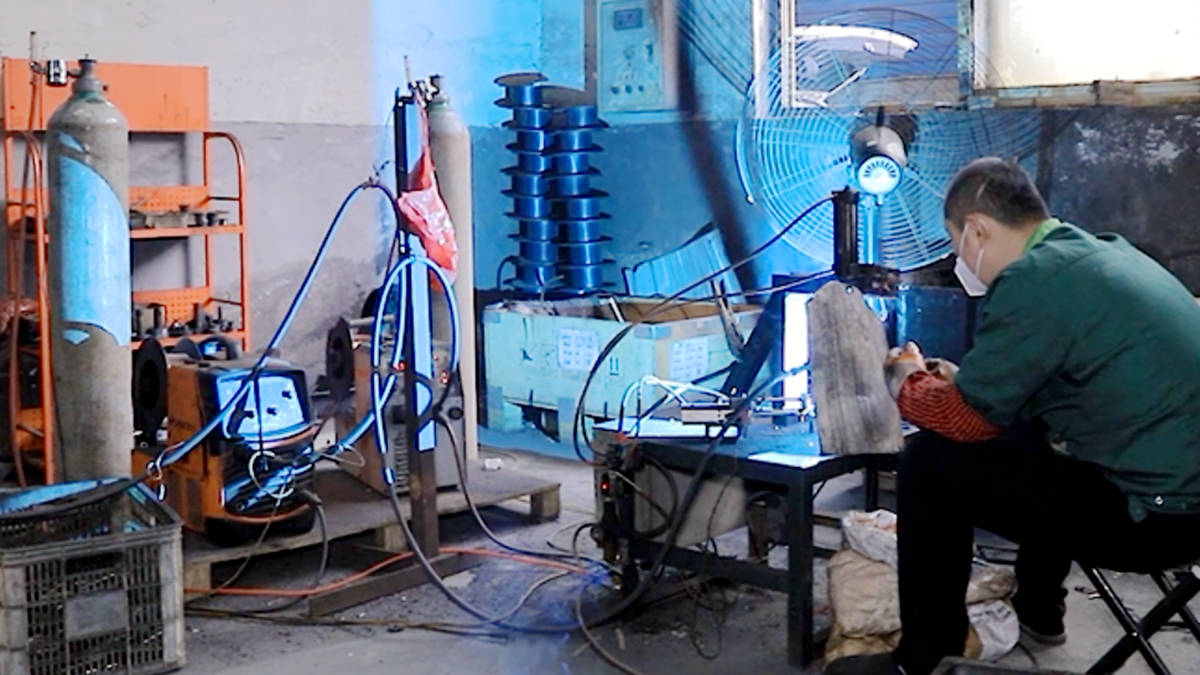
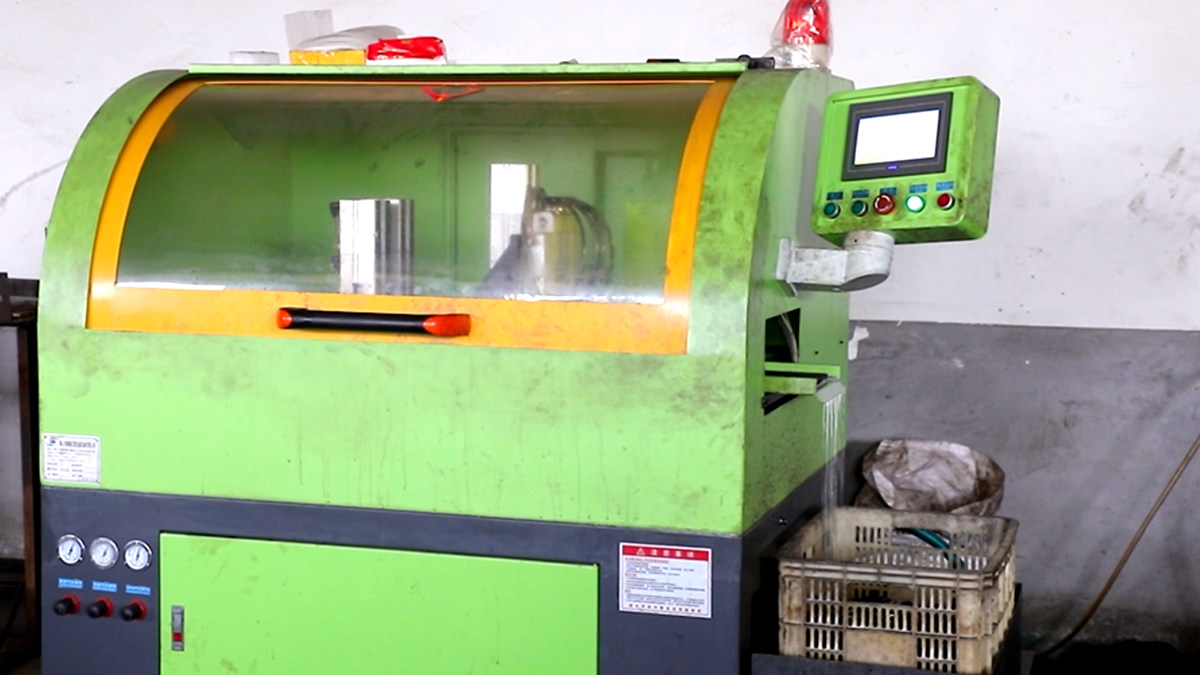
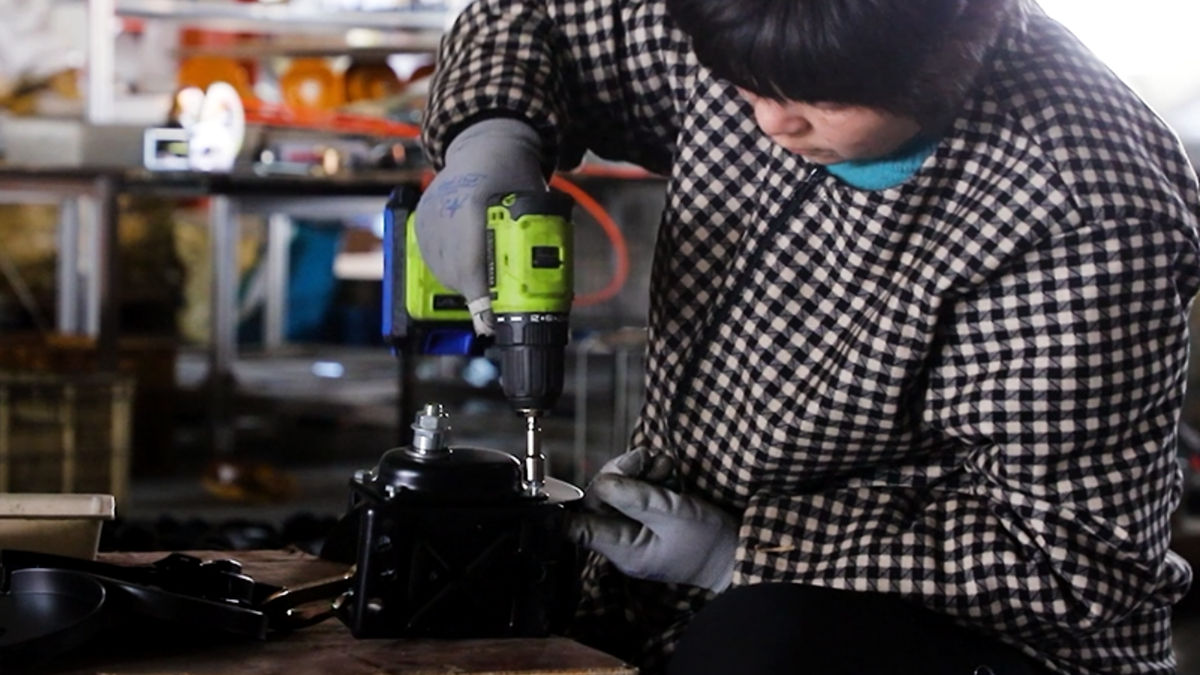
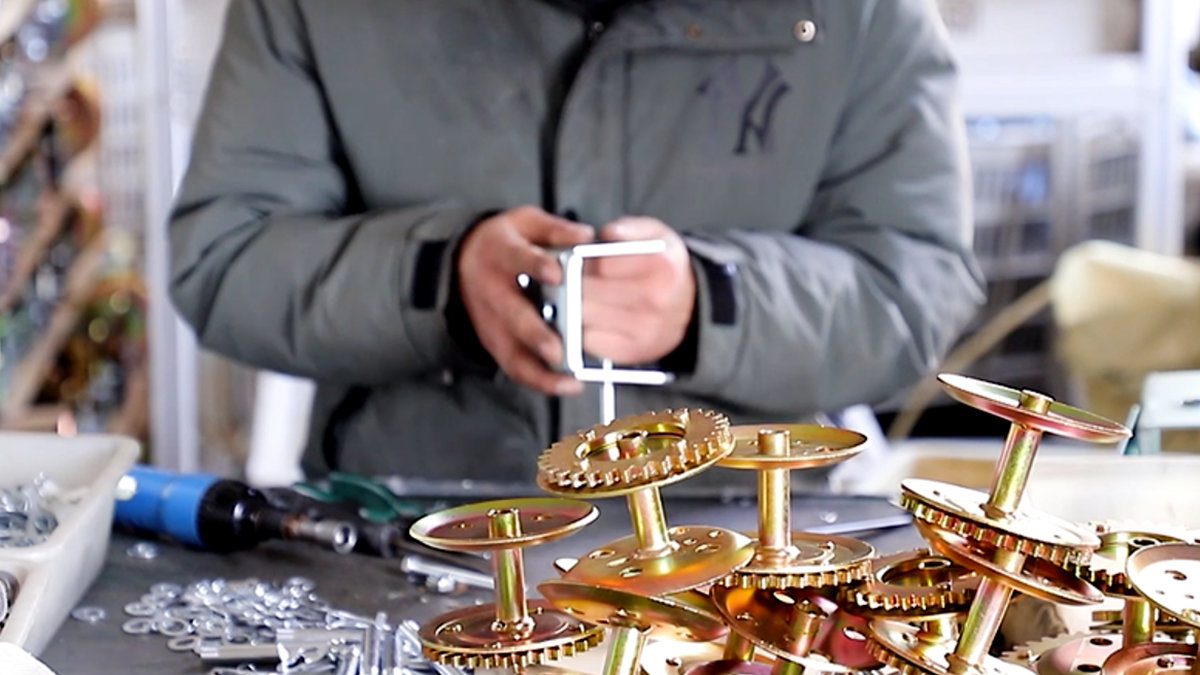
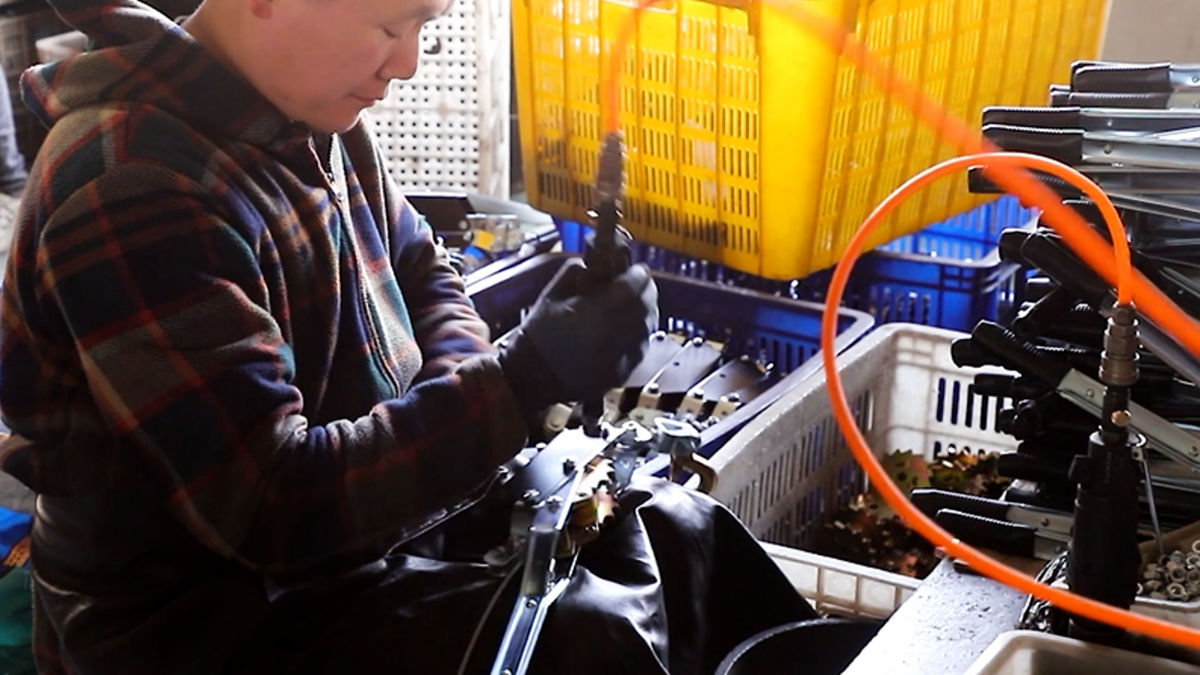
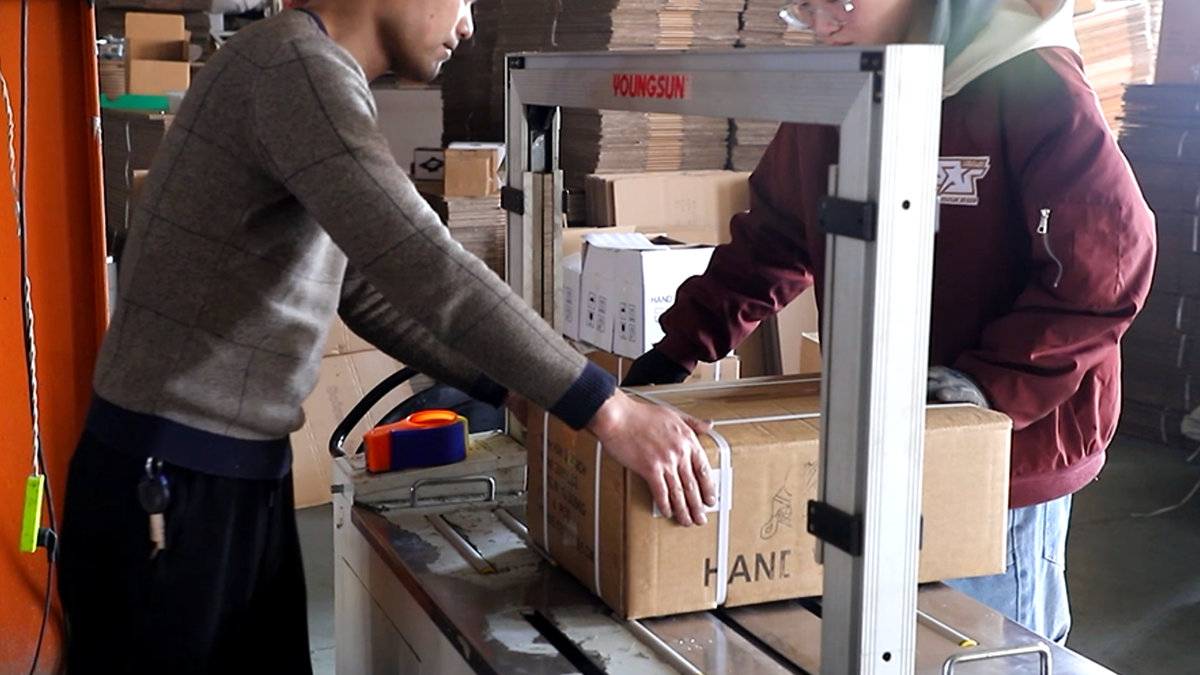
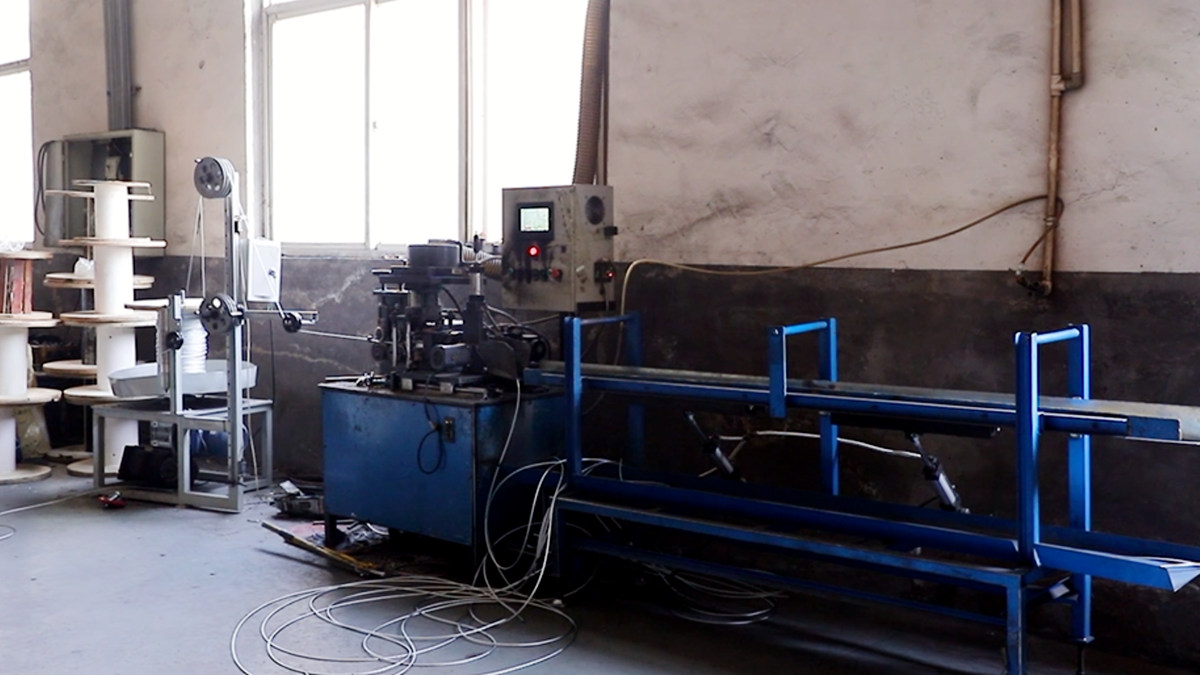
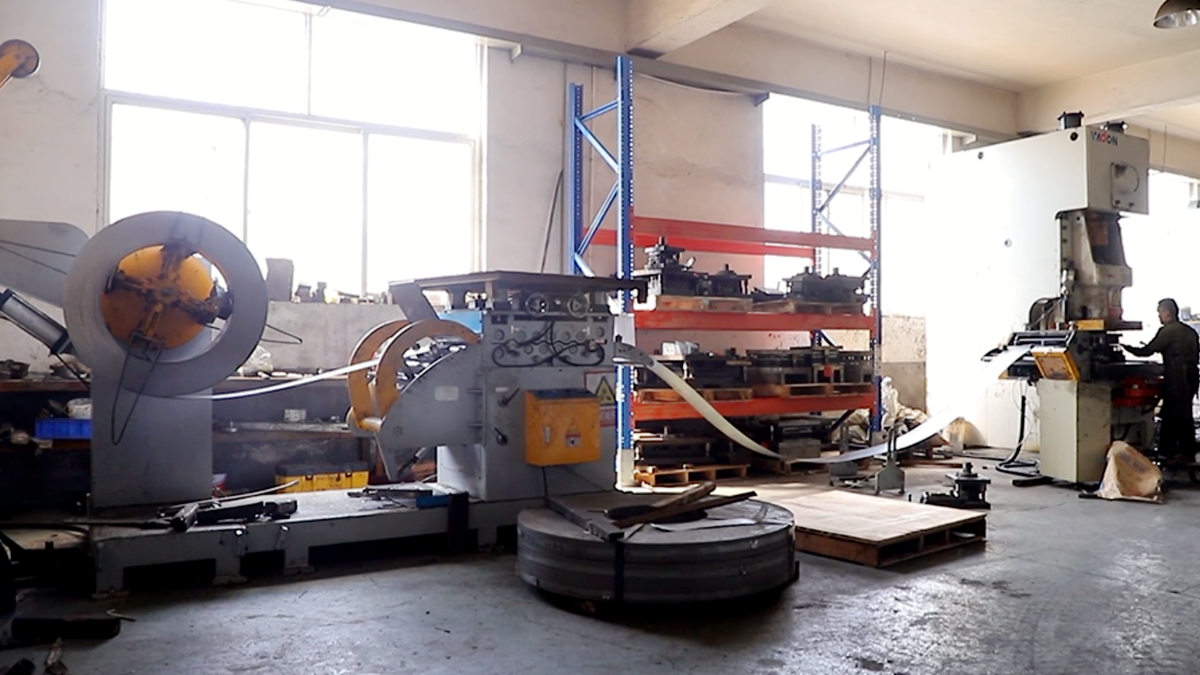
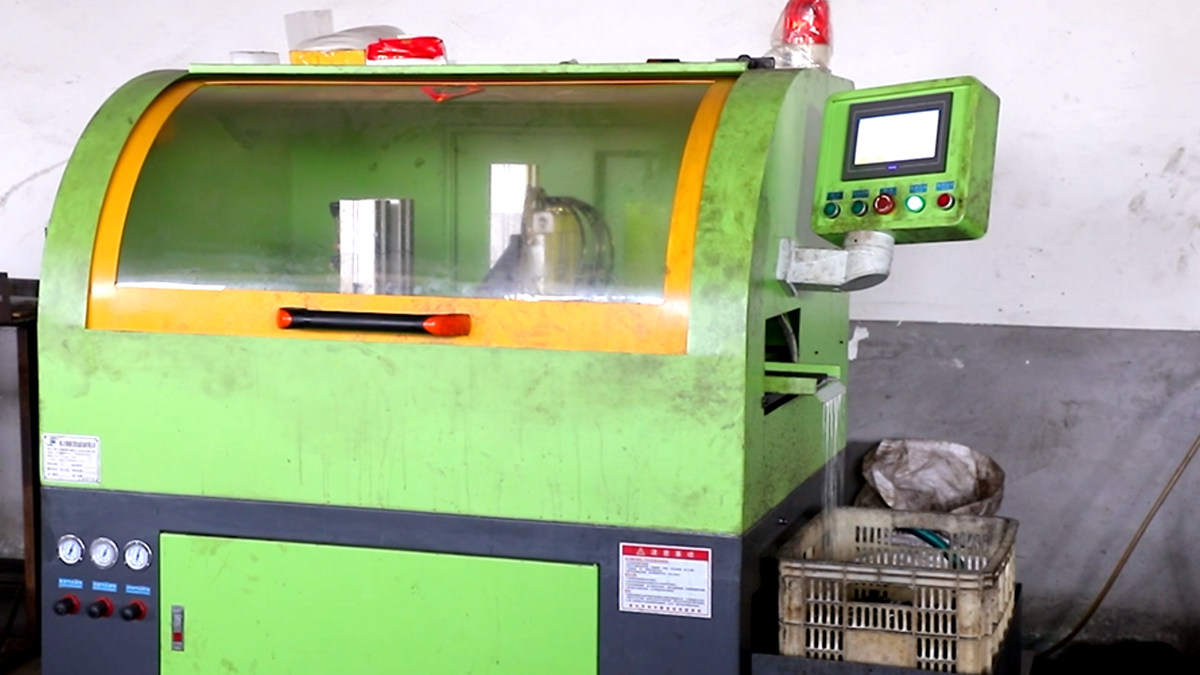
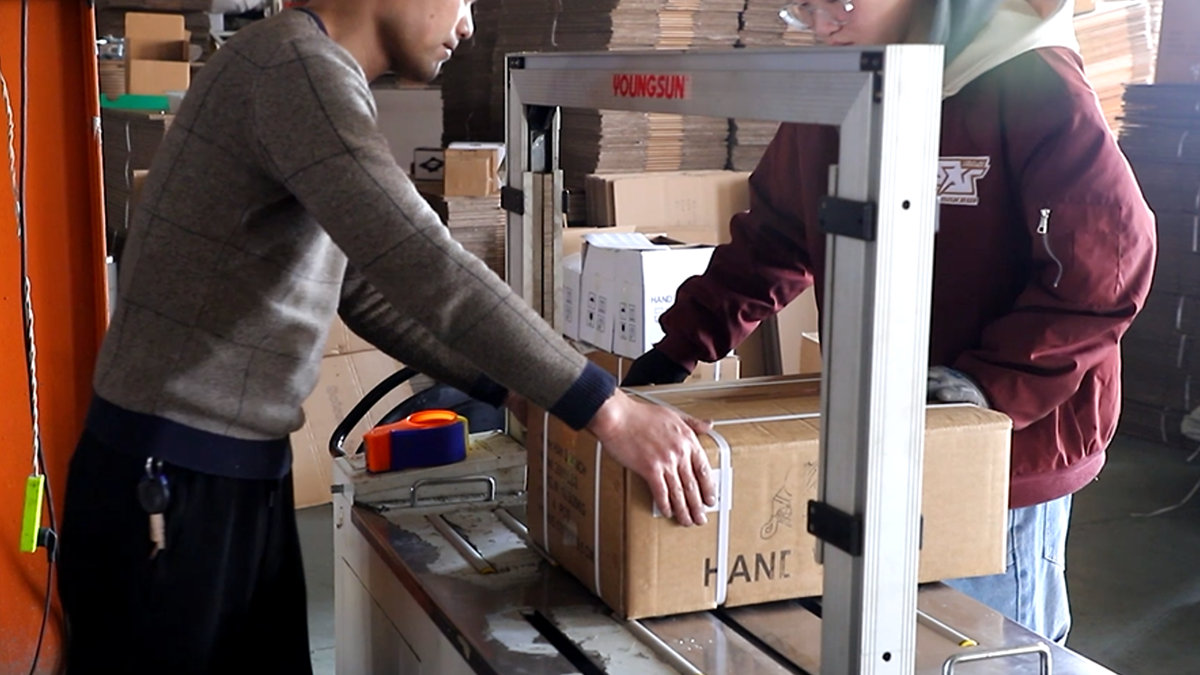
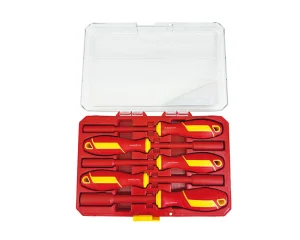
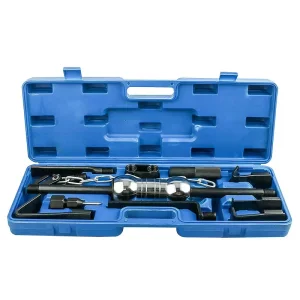
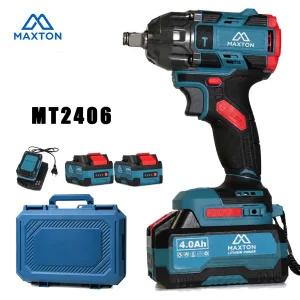
Heavy industrial components and tools designed to optimize mechanical operations and waste handling logistics.