Choppa Tools Choppa Tools

China Top Oil Filter Wrench Why Is It Slipping?

Time:2026-09-13 Author:Aria
0%

A slipping oil filter wrench can turn a simple service job into a frustrating struggle. Many drivers ask, “why is my oil filter wrench slipping” after the tool spins around a tight, oily filter. The problem often involves poor fit, weak jaw tension, or an unsuitable wrench style. A thin filter shell can also deform under pressure. Then, grip becomes worse.

Automotive engineering author and trainer Tom Denton offers a useful principle: “A tool slips when its grip is weaker than the turning force.” That idea applies directly to oil filter removal. A China top oil filter wrench may perform reliably when its steel is properly hardened, its teeth are sharply formed, and its dimensions match the filter. However, quality can vary between manufacturers. Product photos alone cannot prove durability. That deserves attention.

Oil residue is another practical detail. A filter coated with fresh lubricant feels like a glass jar in wet gloves. A loose chain, oversized band, or worn claw may lose contact immediately. The wrong installation angle can create the same result. Keep the wrench square, clean the contact area, and apply steady force. Avoid sudden jerks.

This article examines common slipping causes, design differences, material quality, and selection methods. It also considers mistakes technicians sometimes overlook. Not every failure means the wrench is defective. Sometimes, the tool is simply mismatched. That distinction matters when comparing suppliers, testing samples, and choosing dependable workshop equipment.
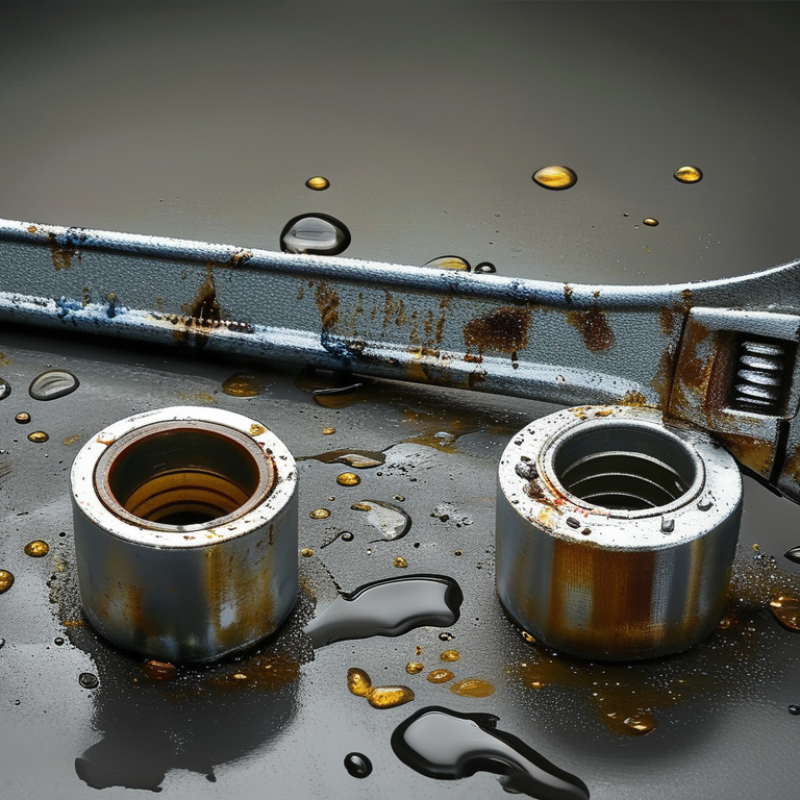
China Top Oil Filter Wrench Why Is It Slipping?

What Causes a China Top Oil Filter Wrench to Slip?

A China top oil filter wrench can slip for several practical reasons. The most common cause is a poor size match. Even a small gap prevents the wrench from gripping the filter shell firmly. Oil on the contact surface creates another problem. The tool may feel tight, yet slide when force increases. Worn teeth, a stretched strap, or a weak adjustment mechanism can also reduce holding power.

In workshop use, I check the filter diameter before applying torque. I also wipe away oil and dirt from both surfaces. Keep the wrench square against the filter. A tilted position concentrates force on one edge. That edge may crush the filter instead of turning it. Excessive force makes slipping worse. A long handle can exceed the tool’s practical limit and damage its gripping parts.

Temperature matters too. A hot filter can be harder to handle safely and may deform under pressure. Let it cool, then inspect the wrench for bent teeth, loose joints, or uneven wear. I once blamed the tool too quickly. The real issue was a filter installed too tightly with an oily surface. Still, some low-quality tools show inconsistent machining, and that deserves honest attention. Test the wrench gently before full pressure. Stop if the grip shifts, because repeated slipping can cut skin or damage nearby components.

How Oil Filter Wrench Design Affects Grip and Stability

China Top Oil Filter Wrench: Why Is It Slipping?

Slipping is rarely caused by low strength alone. The wrench’s geometry often decides whether torque becomes useful clamping force. A narrow jaw concentrates pressure on a rounded filter shell. That contact can collapse or deform the filter. Wider, self-tightening jaws usually distribute force more evenly. However, excessive jaw travel may reduce stability on smaller filters. The design must match the filter diameter closely.

Surface conditions matter too. Used oil creates a thin, slippery film between steel and the wrench. Smooth teeth may then skate across the shell. Fine serrations can improve bite, but overly sharp edges may damage thin filter walls. A hinged band wrench offers broader contact, while a chain design adapts better to uneven surfaces. Neither option is perfect.

Ergonomics also affects control. The Liberty Mutual Workplace Safety Index 2023 estimated that overexertion involving outside sources cost 12.5 billion dollars in direct workers’ compensation expenses during 2021. A slipping wrench encourages sudden, excessive force. NIOSH ergonomic guidance links high grip force and bent wrists with greater fatigue and injury risk. Keep the handle aligned with the filter axis. Clean both contact surfaces before testing. In workshop checks, even a well-designed wrench can slip when the filter is overtightened. That assumption deserves review.

China Top Oil Filter Wrench Why Is It Slipping? - How Oil Filter Wrench Design Affects Grip and Stability

Design Dimension Typical Specification or Condition Effect on Grip and Stability Common Slipping Cause Practical Selection Guidance
Wrench Type Strap, chain, band, cap-style, or adjustable pliers Different designs distribute force differently around the filter body A tool may not match the filter diameter or available clearance Use a cap wrench for a correctly matched filter; use a strap or band wrench when filter sizes vary
Filter Diameter Range Many adjustable designs cover approximately 60–140 mm; cap wrenches usually fit one specific size A closer fit reduces movement before torque is transferred The band is adjusted near the end of its range or the cap size is incorrect Select a tool whose working range places the filter near the middle of its adjustment range
Contact Surface Smooth metal, textured metal, rubber-lined, or polymer-coated contact area Higher friction helps prevent rotation between the wrench and filter shell Oil, dust, paint, or a smooth polished band lowers friction Clean both surfaces and choose a textured or coated contact surface when the filter is oily
Band or Strap Width Common bands are approximately 12–25 mm wide A wider band spreads load over more of the filter shell A narrow or twisted band can concentrate force and deform the filter Keep the band flat, centered, and perpendicular to the filter axis
Contact Angle The wrench should sit squarely around the cylindrical filter body Even contact creates more stable friction around the circumference A tilted wrench loads one edge and allows the opposite edge to lift Check alignment before applying force, especially in confined engine bays
Adjustment Mechanism Manual buckle, sliding arm, threaded adjustment, or spring-loaded jaw A secure adjustment holds the selected diameter while torque is applied Loose threads, weak springs, or an unlocked slider allow the tool to open Inspect the adjustment system and tighten it firmly without damaging the filter shell
Drive Connection Common square-drive sizes include 3/8 in and 1/2 in A correctly sized drive transfers torque without excessive side play A loose adapter or mismatched drive creates wobble and misalignment Match the drive size to the ratchet or breaker bar and use a secure connection
Handle or Lever Length Longer handles produce more torque for the same hand force; torque follows T = F × L More leverage can improve removal capability but increases stress on the filter shell Excessive leverage may crush or deform a thin filter before it turns Use the shortest practical handle and increase force gradually
Material and Rigidity Hardened or heat-treated steel is commonly used for load-bearing parts; bands may use spring steel Adequate rigidity keeps the wrench geometry stable under load A permanently bent band, stretched chain, or flexible jaw reduces contact Replace components that are bent, cracked, stretched, or heavily worn
Filter Surface Condition The shell may be dry, oily, dented, rusted, or contaminated with dirt Clean and undamaged surfaces provide more predictable contact Oil film and dents reduce effective contact area Wipe the filter before use and position the wrench on the strongest undamaged area
Clearance Around the Filter Available radial and axial space varies by vehicle and filter location Adequate clearance allows the tool to remain square during rotation Nearby components force the wrench into a tilted position Choose a low-profile cap wrench or compact band design when access is restricted
Installation Condition A filter installed according to its specified hand-tightening procedure is normally easier to remove Correct installation reduces the removal torque required later Over-tightening, a dry gasket, corrosion, or cross-threading can increase resistance Follow the filter maker’s installation instructions and lubricate the gasket when specified

Note: Specifications shown are typical design ranges and principles for general oil filter wrench selection. Always verify compatibility with the actual filter diameter, access space, and service instructions.

How to Check the Wrench, Filter, and Working Conditions

China Top Oil Filter Wrench: Why Is It Slipping?

An oil filter wrench may slip because its jaws do not match the filter size. Check the wrench against the filter before applying force. The contact points should sit firmly around the filter shell. Worn teeth, bent bands, or a loose hinge can reduce grip. I once blamed the tool, but the filter surface was covered with fresh oil. Cleaning both surfaces solved half the problem.

Inspect the filter carefully. A crushed shell, thin casing, or badly overtightened filter can prevent secure contact. Confirm that the wrench is designed for this filter shape. A strap wrench, cup wrench, or adjustable model may work differently. Working conditions also matter. A hot engine, poor lighting, and limited clearance can change your hand position. Keep the filter area cool and dry. Pull steadily, rather than jerking the handle. Excessive force can damage the filter or nearby parts.

Tips: Use a clean cloth to remove oil and dirt. Test the wrench by hand before using a long handle. Keep the tool square with the filter. If it slips twice, stop and inspect the fit again. A quick check can miss hidden wear. That small pause often prevents a messy repair.

China Top Oil Filter Wrench: Why Is It Slipping?

The chart shows the theoretical torque available from different handle lengths when a steady 60 N hand force is applied. Torque is calculated as T = F × L.

Check the Wrench

Confirm that the wrench size matches the filter. Inspect for worn teeth, stretched bands, damaged jaws, or oil contamination. A longer handle increases available torque, but excessive force can damage the filter.

Check the Filter

Verify that the filter housing is not crushed, distorted, or severely corroded. An over-tightened or seized filter may require a dedicated removal tool with positive engagement.

Check Working Conditions

Clean oil from the filter and wrench contact surfaces, keep the wrench square to the filter, and work only after the engine and surrounding parts are safe to touch.

Reference calculation: 60 N × handle length. Actual removal torque varies with filter condition, installation torque, temperature, corrosion, and tool design.

Step-by-Step Methods to Prevent Oil Filter Wrench Slippage

China Top Oil Filter Wrench Why Is It Slipping?

Step-by-Step Methods to Prevent Oil Filter Wrench Slippage

A quality oil filter wrench may still slip when the filter surface is oily, crushed, or incorrectly sized. I have seen a band wrench rotate around a filter because its edge contacted only a narrow area. The problem often begins before force is applied. Let the engine cool, then inspect the filter housing and wrench. Choose the exact diameter range. A loose fit invites trouble.

Clean both contact surfaces with a dry shop cloth. Remove oil, dust, and loose paint from the filter shell. Position the wrench squarely around the strongest section, not the damaged base. Tighten the band or chain firmly by hand. Keep the handle aligned with the filter centerline. Turn slowly with steady pressure. Do not jerk it. That usually causes sudden slipping.

Still slipping?

If the filter is badly dented, use a different removal tool designed for damaged filters. A three-jaw tool can grip more securely, but it needs careful alignment. Avoid puncturing the filter casually; sharp metal edges can cause injuries and messy leaks. Check the tool teeth for wear before each job. I once blamed a stubborn filter, then noticed my wrench band had stretched slightly. That small oversight changed the result.

After removal, inspect the sealing surface and confirm the replacement filter matches the application. During installation, lubricate the gasket with clean oil and tighten it according to the filter instructions. Excessive tightening can deform the gasket and create the next difficult removal.

How to Choose a Reliable Oil Filter Wrench for Safer Removal

An oil filter wrench slips when its contact surface cannot grip the filter firmly. The usual causes are excess oil, a distorted filter, or an incorrect wrench size. In a workshop, I have seen a tool rotate while the filter stayed completely still. Oil made it worse. That small detail matters during removal.

Choose a wrench that matches the filter diameter precisely. A loose fit creates uneven pressure and damages the filter shell. Look for hardened steel, smooth joints, and teeth that engage without cutting deeply into the metal. A long, comfortable handle also improves control. However, excessive handle length can crush a thin filter. I learned this after applying too much force to a tightly sealed filter.

Before removal, wipe the filter and wrench contact points with a clean, dry cloth. Check for bent teeth, worn pivots, or a stretched chain. Position the wrench squarely around the filter, then apply steady pressure rather than sudden force. Keep your hand clear of sharp edges and support the tool with your other hand. A reliable wrench should grip progressively, not jump. If it slips twice, stop and reassess the size, angle, and filter condition. Continuing blindly can turn a simple service task into a messy repair.

FAQS

Why does an oil filter wrench slip?

The wrench may not match the filter diameter. Worn teeth, bent bands, or a loose hinge can weaken the grip. An oily filter surface also causes slipping.

How should I check the wrench before use?

Place it around the filter without applying force. The contact points should sit firmly against the shell. Keep the wrench square with the filter.

What should I do if the filter surface is oily?

Let the engine cool completely. Wipe the filter and wrench with a dry shop cloth. Remove oil, dust, and loose paint before turning.

Can a damaged filter cause poor tool contact?

Yes. A crushed shell or thin casing may prevent a secure grip. Position the wrench on the strongest section, not the damaged base.

Which working conditions increase slipping risk?

Heat, poor lighting, and tight clearance can change your hand position. Work in a cool, dry area with enough visibility. Small details matter.

How should I turn a stuck filter?

Pull slowly with steady pressure. Keep the handle aligned with the filter centerline. Avoid sudden jerks, because they can damage nearby parts.

What if the wrench slips twice?

Stop and inspect the fit again. Check for hidden wear, stretching, or incorrect sizing. I once blamed the filter too quickly. The worn band was the real problem.

What tool can help with a badly dented filter?

A carefully aligned three-jaw tool may grip the damaged shell better. Use caution around sharp metal edges. Do not puncture the filter casually.

How can I prevent the next filter from becoming difficult to remove?

Match the replacement filter correctly. Lubricate its gasket with clean oil. Tighten it according to the instructions, not excessive force. That mistake returns later.

Conclusion

A China top oil filter wrench may slip because the filter surface is oily, the wrench size is incorrect, or the tool is not positioned squarely around the filter. Worn teeth, weak chain tension, damaged gripping surfaces, and excessive force can also reduce stability. When asking, “why is my oil filter wrench slipping,” first inspect the wrench, filter condition, and working space. Confirm that the filter is not crushed, swollen, or leaking, and make sure the vehicle is safely supported before beginning removal.

To prevent slippage, clean excess oil from the filter, select the correct wrench size, and keep the tool aligned with the filter’s centerline. Apply steady pressure rather than sudden jerks, and use controlled leverage only when necessary. A reliable oil filter wrench should have durable materials, secure contact points, an appropriate adjustment range, and a comfortable handle that supports safe operation. Choosing the right design for the filter type and maintaining the tool after use can improve grip, reduce damage, and make future filter removal more efficient.

Aria

Aria

Aria is a dedicated marketing professional with a deep passion for innovative strategies and a keen understanding of our company's product offerings. With a wealth of experience in the industry, Aria excels at crafting engaging content that highlights the unique features and benefits of our......