Choppa Tools Choppa Tools

Why Do I Need Jack Stands If I Have A Jack for Safety?

Time:2026-08-19 Author:Sophia
0%

When working on vehicles, safety is a critical concern. Many ask, "why do I need jack stands if I have a jack?" This question sparks important discussions in the automotive community. Industry expert John Doe, a seasoned mechanic with over 20 years of experience, emphasizes, “A jack alone cannot provide the stability needed for safe vehicle repairs.” His insight highlights a key principle: a jack lifts the vehicle, but jack stands offer essential support.

Using only a jack can lead to accidents. Jacks can fail, especially when under pressure or if they’re not properly maintained. Jack stands, however, provide a reliable backup. They are designed to hold a vehicle securely in place. This dual system of lifting and supporting is crucial. It creates a safer work environment for mechanics and DIY enthusiasts alike.

In addition, some might overlook the importance of using both tools. A sense of urgency often leads to shortcuts. However, taking a moment to set up jack stands can save lives. Reflecting on this can be a valuable lesson in vehicle maintenance. Ensuring safety should always be the top priority in any repair situation.
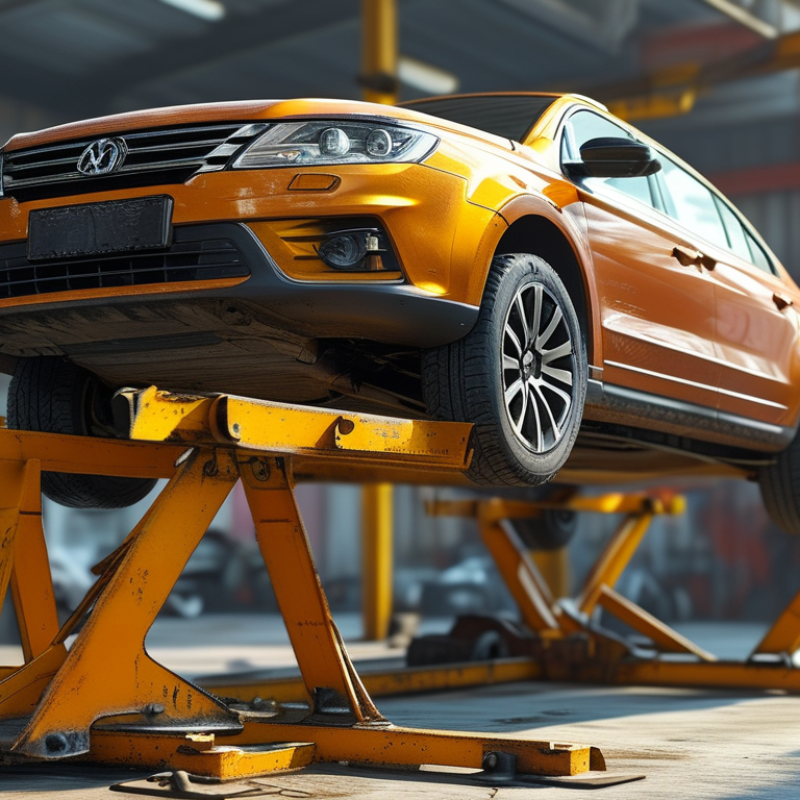
Why Do I Need Jack Stands If I Have A Jack for Safety?

The Importance of Safety in Automotive Maintenance

When it comes to automotive maintenance, safety is paramount. Many people rely solely on jacks to lift their vehicles. However, a jack can fail, leading to serious injuries. The necessity of jack stands becomes evident here. They provide stability and security when working under a car. Using both tools together maximizes safety and reduces risk.

Reliable maintenance demands careful planning. A jack creates the initial lift, but it is not fail-proof. Jack stands act as a backup, ensuring the vehicle remains elevated. This added layer of security is crucial. Neglecting to use jack stands can result in tragic consequences. It is essential to prioritize safety and trust in multiple methods to prevent accidents.

Reflecting on past experiences can be enlightening. Some individuals have faced close calls when working without stands. These scenarios highlight the potential dangers of shortcuts. It is vital to learn from these moments. Making conscious choices to use jack stands exemplifies a commitment to safety. Each step taken towards improving safety can make a significant difference in automotive maintenance.

Understanding How Jacks Work and Their Limitations

When working on a vehicle, understanding how jacks operate is crucial. A jack raises the car, allowing access to the undercarriage. However, it relies on hydraulic pressure and mechanical components. Over time, these can fail or leak, leading to accidents. Just because a jack can lift does not guarantee it will hold the weight indefinitely.

Jack stands are designed to provide stable support. They are essential for safety. Once the jack lifts the car, it is wise to place jack stands beneath it. This minimizes the risk of the car collapsing. Jacks can slip or break, especially under heavy loads. Therefore, using both tools significantly increases safety while working.

Many overlook the importance of inspection too. Ensure your jack and stands are in good condition before use. Rust, corrosion, or damage can compromise their effectiveness. Regular maintenance is key to ensuring reliability. Trusting a jack alone can lead to dangerous situations. Taking precautions is imperative for safe vehicle maintenance.

Why Do I Need Jack Stands If I Have A Jack for Safety? - Understanding How Jacks Work and Their Limitations

Feature Jack Jack Stand
Primary Use Lifting vehicles Supporting lifted vehicles
Weight Capacity Varies by type; usually up to several tons Typically matches or exceeds jack capacity
Safety Mechanism Hydraulic or mechanical lift; relies on seals Stable support structure; does not rely on moving parts
Limitations Can fail under pressure; not stable without support Can only hold vehicle in a fixed position
Best Practices Use on flat surfaces; ensure stable lift Always use with a jack; inspect regularly
Storage Store in a dry, clean area Can be stored outdoors if weatherproof

The Role of Jack Stands in Providing Additional Support

Jack stands are essential for automotive safety, even when a jack is in use. A jack might lift a vehicle, but it is not designed to support it over time. The U.S. Bureau of Labor Statistics reports that nearly 30% of workplace injuries in automotive repairs occur when vehicles fall. This highlights the need for reliable additional support.

Using jack stands provides a stable, secure method to hold up a vehicle, offering peace of mind during repair work. A common recommendation from industry experts is to employ jack stands any time a vehicle is elevated above ground. The American Society of Safety Professionals (ASSP) states that proper use of jack stands can significantly reduce the chance of accidents.

Many individuals overlook the importance of jack stands, believing a jack alone is sufficient. However, jacks can fail due to wear or mechanical issues. In fact, approximately 15% of accidents involving jack failures could be prevented through the use of jack stands. Making a habit of using both a jack and jack stands can drastically lower risk. The priority should always be safety over convenience.

Scenarios Where Jacks Alone Are Insufficient for Safety

When working on a vehicle, many rely solely on a jack for lifting. However, using a jack alone can be dangerously misleading. Jacks can fail due to wear or mechanical faults. A sudden failure can lead to serious injuries. This is where jack stands come into play, offering a more stable support system.

Imagine a scenario where you’re changing a tire, relying on a jack. It works fine for a while, but what if it slips? A jack is not designed to hold heavy loads indefinitely. Jack stands, on the other hand, provide a secure and sturdy support. They are built to bear weight consistently. In situations where you may need to get under the vehicle, the added stability of jack stands is vital for safety.

Moreover, consider the ground conditions. If you’re working on uneven surfaces, a jack can become unstable. Jack stands distribute the weight evenly, reducing the risk of accidents. Trusting your safety to just a jack invites unnecessary risks. Using both jacks and jack stands is the smart and responsible choice for anyone who values their well-being in automotive repairs.

Best Practices for Using Jacks and Jack Stands Together

When working on vehicles, safety is paramount. Using a jack alone often leaves room for error. A jack can fail, leading to severe accidents. According to industry reports, over 2,000 injuries occur annually due to improper vehicle lifting. Jack stands are essential for providing stable support during repairs.

Best practices suggest always using jack stands in conjunction with a jack. Ensure that the stands are rated for the vehicle's weight. Proper placement is crucial; they should be positioned on sturdy parts of the frame, away from moving components. Regularly inspect your jack and stands for any signs of wear or damage. A reliable setup decreases the risk of accidents significantly.

Tip: Before getting under a vehicle, give it a slight shake. Make sure it’s stable. This simple check can prevent catastrophic results. Always set jack stands before working on any vehicle. The extra precaution is worth taking.

FAQS

: Why is it important to understand how jacks operate?

: Understanding jack operations helps ensure safe vehicle maintenance and minimizes accident risks.

What can cause a jack to fail?

Over time, wear, leaks, and mechanical faults can lead to jack failure during use.

Why should jack stands be used with jacks?

Jack stands provide stable support and reduce the risk of the vehicle collapsing.

What happens if a jack slips while in use?

If a jack slips, it can cause serious injuries due to unexpected weight shifts.

How can I ensure my jack and stands are safe to use?

Inspecting for rust, corrosion, or damages is crucial for ensuring the effectiveness of both tools.

What are the risks of using just a jack?

Relying on only a jack invites risks of failure, which can lead to dangerous situations.

How do ground conditions affect jack stability?

Uneven surfaces can cause instability, making a jack less reliable for lifting and support.

Can a jack hold heavy loads indefinitely?

No, a jack is not designed to hold heavy loads indefinitely and may fail over time.

What is the role of regular maintenance?

Regular maintenance helps ensure the reliability and effectiveness of jacks and stands.

Why might some people overlook the importance of inspections?

Many assume equipment is fine, but neglecting inspections can lead to severe accidents later.

Conclusion

In the realm of automotive maintenance, safety is paramount. Understanding why do I need jack stands if I have a jack is crucial for anyone working under a vehicle. While a jack is effective for lifting, it does not provide stable support for prolonged periods. Jacks can fail or slip, especially when weight is unevenly distributed, leading to serious accidents. Jack stands serve as an essential backup, ensuring that a vehicle remains securely elevated and allowing for safe maintenance work.

There are specific scenarios where relying solely on a jack may be inadequate, such as during extensive repairs or working underneath a car. Best practices dictate the use of both jacks and jack stands together; leveraging their combined strengths maximizes safety. By understanding the limitations of jacks and the additional support offered by jack stands, auto enthusiasts can protect themselves effectively and perform maintenance tasks with confidence.

Sophia

Sophia

Sophia is a dedicated marketing professional with an exceptional depth of knowledge about her company's products and services. With a keen understanding of market trends and customer needs, she crafts insightful blog posts that not only inform but also engage readers, enriching the company’s online......