Choppa Tools Choppa Tools

Top Tips on How to Use a Bearing Puller Safely

Time:2026-11-04 Author:Aria
0%

A bearing puller can remove a stubborn bearing cleanly, but poor setup may damage a shaft or send parts moving unexpectedly. Knowing how to use a bearing puller safely starts with choosing the right tool for the bearing’s size, position, and access. A two-jaw or three-jaw puller should sit squarely, with its arms gripping a strong surface behind the bearing. The center screw must align with the shaft. Small misalignments matter.

This guide covers practical checks before and during removal, including inspecting the puller for cracks, worn threads, or bent arms. Secure the machine or component, keep hands clear of pinch points, and wear safety glasses. A drop of suitable lubricant on the forcing screw can help it turn smoothly; follow the tool maker’s instructions. Apply pressure gradually and evenly, watching for the jaws to shift or the bearing to tilt. Stop if the screw binds, the tool flexes, or the bearing does not move. Don’t force it with an impact tool unless the manufacturer specifically allows that method. Sometimes the puller is simply the wrong size. That is easy to overlook. The steps here offer a careful starting point, not a substitute for the specific instructions supplied with your puller or equipment. After removal, inspect the shaft and bearing seat for scoring before fitting replacement parts.
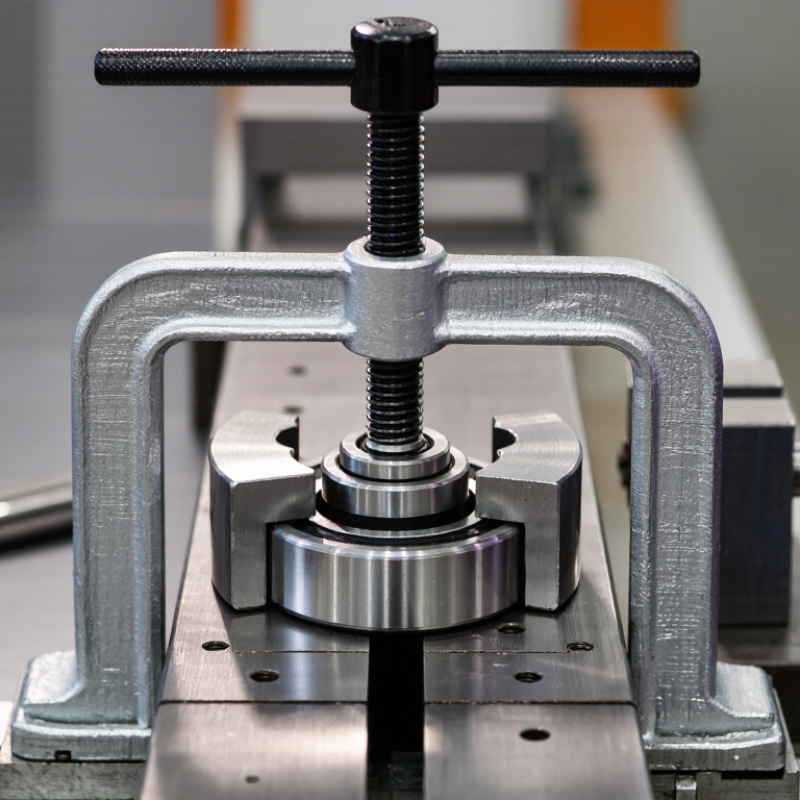
Top Tips on How to Use a Bearing Puller Safely

Understand Bearing Puller Types and Their Limits

A two-jaw puller can work in tight spaces, but its smaller contact area may make slipping more likely. Three-jaw models spread the load more evenly when all jaws seat squarely behind the bearing. Internal pullers grip from inside a bore; they are not substitutes for external jaws. Each design has limits: check its rated capacity, jaw reach, and opening range against the job. If the bearing is seized or the jaws cannot engage fully, stop rather than add leverage.

Tips: Wear eye protection and keep your face out of the tool’s line of force. Align the forcing screw with the shaft, protect the shaft end, and tighten gradually with the correct hand tool. Stop if a jaw shifts. Never improvise an extension bar.

The 2023 U.S. Census of Fatal Occupational Injuries recorded 5,283 fatal work injuries across U.S. workplaces, according to the Bureau of Labor Statistics. That figure is not specific to bearing pullers, but it reinforces the value of controlled work. A puller’s rating is not permission to force every fit. Heat, corrosion, and poor access can change the load unexpectedly. It is easy to assume a larger puller is automatically safer; I would recheck the jaw seating and tool rating before deciding.

Inspect the Puller, Bearing, and Work Area

Before using a bearing puller, inspect every part under good light. Check the arms for bends, cracks, or worn tips. Look closely at the center screw and threads; they should turn smoothly without binding. A damaged puller can slip when force builds. Do not use it. Confirm the tool is rated for the bearing and job, and follow its instructions.

Inspect the bearing and shaft, too. Remove dirt and grease that could hide cracks or damage. Check for a retaining ring, shoulder, or other feature that may still hold the bearing in place. The puller’s arms should seat evenly behind a solid edge, not against a seal or thin housing lip. Small misalignments matter. Recheck them.

Clear the work area of loose tools and clutter. Support the assembly on a stable surface, and leave room for the bearing to come free. Keep your face and hands out of the puller’s line of force. Wear eye protection. It is easy to rush this check, especially when the setup looks familiar. Pause anyway; a crooked screw or shifting support can change the load unexpectedly.

Secure the Workpiece and Position the Puller

Clamp the workpiece before fitting a bearing puller. A shaft that shifts under load can throw the tool off-center or pinch fingers. Use a vise with soft jaws when practical, and support large parts on a stable bench. Keep the bearing area accessible; do not clamp a thin or fragile section that may deform. Small details matter. Wipe away oil and grit, since a slippery surface can let the part rotate. Check that the puller arms are undamaged and fully seated behind the bearing race.

Position the puller square to the shaft. Its center screw should contact the shaft’s end, not a nearby surface, while the arms share the load evenly. Turn the screw gradually and pause if the tool tilts, slips, or begins to bend. Never steady a loaded puller by hand. Stand clear of its line of movement, and follow the tool maker’s capacity and setup instructions. The U.S. Bureau of Labor Statistics reported 2.6 million nonfatal workplace injuries and illnesses in private industry in 2023; this broad figure is not specific to pullers, but it reinforces the value of controlled work practices. That feels tedious. It is still worth checking the alignment again before applying more force.

Apply Force Gradually While Monitoring Alignment

Apply force gradually while monitoring alignment. A bearing puller should sit squarely before the center screw turns. Check that each jaw grips the bearing evenly and that the screw meets the shaft center. A small tilt can make the tool slip or damage nearby parts. Keep the assembly supported, and wear safety glasses. I sometimes find the setup looks straight from above but sits crooked from the side. Check both angles.

Tips: Turn the screw a little at a time. Pause often. Watch for jaw movement, bending, or a changing gap. Keep fingers clear of pinch points, and never use an impact tool unless the puller is rated for it.

If resistance rises suddenly, stop and inspect the setup rather than adding a longer handle. The bearing may be seized, or the puller may be off-center. Reset the jaws and confirm the screw is aligned before applying more pressure. A slow, steady turn is easier to control than a sudden shove. If the tool shifts or a part begins to deform, stop work and consult the tool instructions or a qualified technician. Do not assume more force will fix a poor fit.

Top Tips on How to Use a Bearing Puller Safely - Apply Force Gradually While Monitoring Alignment

Step Safety check What to do Monitor and stop if
1 Prepare the work area Shut down and isolate the machine. Secure the workpiece so it cannot roll, fall, or shift during removal. Wear suitable eye protection and keep bystanders clear. The workpiece is unstable, the machine may start, or anyone is in the puller's line of force.
2 Inspect and select the puller Choose a puller suited to the bearing and available clearance. Check the arms, hooks, forcing screw, and contact points for cracks, bending, wear, or damaged threads. Follow the tool maker's instructions and load limits. Any part is damaged, the puller does not fit securely, or the required load may exceed its rated capacity.
3 Position the arms Seat the hooks evenly behind the bearing or approved part of the component. Center the forcing screw on the shaft end; use a suitable protective cap when appropriate. A hook is only partly engaged, the arms are uneven, or the forcing screw is visibly off-center.
4 Take up slack evenly Turn the forcing screw by hand until it contacts the shaft. Recheck that the puller is seated and centered before applying significant force. The puller shifts, a hook begins to slip, or the screw tilts as it makes contact.
5 Apply force gradually Use a suitable hand tool and make small, controlled turns. Pause frequently to check that the bearing is moving evenly and the puller remains aligned. Do not use an impact tool unless the puller is specifically designed for it. The bearing cocks to one side, the tool flexes or makes unusual noises, or there is no movement despite increasing force. Stop and reassess rather than forcing it.
6 Keep clear while loaded Keep hands and face away from the arms, forcing screw, and possible release path. Do not lean over the tool or attempt to reposition it while it is under load. The tool or workpiece becomes unstable, or a component appears likely to release suddenly.
7 Release and inspect Once the bearing is free, stop turning and carefully remove the tool. Inspect the bearing, shaft, and puller for damage before reuse. Any part is cracked, deformed, or damaged; remove the tool from service and investigate the cause.

Release Tension and Remove the Bearing Safely

Before releasing tension, keep the puller square and the bearing assembly firmly supported. Wear safety glasses, and keep your face and hands out of the puller’s line of force. Check that the jaws sit evenly behind the race being removed. The puller’s center screw should press against the shaft end, not slip off to one side. A small protective cap can help prevent damage to the shaft. Pause here. If the tool tilts, a jaw shifts, or the part begins to move unevenly, stop and reset it.

Once the bearing loosens, do not snap the screw back or pry the jaws free under load. Turn the center screw backward slowly, using controlled turns, until the pressure is fully released. Keep hands clear. Support the bearing as it comes free; it may drop suddenly, even after a gradual release. No sudden release. Remove the tool only when the screw no longer bears against the shaft and the jaws move without force.

It is easy to rush this stage, especially when the bearing has already shifted. That is a poor moment to lean harder. If resistance remains, check alignment and support again rather than adding a long handle or striking the puller. A little hesitation can prevent a damaged shaft, pinched fingers, or a tool that slips unexpectedly.

FAQS

When should I use a two-jaw or three-jaw puller?

A two-jaw puller can fit tight spaces, but its smaller contact area may slip more easily. A three-jaw model spreads the load when all jaws sit squarely.

Can an internal puller replace an external-jaw puller?

No. An internal puller grips inside a bore; external jaws grip behind the bearing.

What should I check before choosing a puller?

Compare its rated capacity, jaw reach, and opening range with the job. A larger tool is not automatically safer.

How should I secure the workpiece?

Clamp it firmly, using soft vise jaws when practical. Support large parts on a stable bench, and avoid clamping thin sections that may deform.

How can I help prevent the puller from slipping?

Wipe away oil and grit, then check that the arms are undamaged and fully seated behind the bearing race. Small details matter.

How should I position and tighten the puller?

Align it squarely with the shaft. Keep the center screw on the shaft end, and tighten gradually with the correct hand tool.

What should I do if a jaw shifts or the tool tilts?

Stop and reassess the setup. Do not add leverage or steady a loaded puller by hand.

What safety precautions should I take?

Wear eye protection and keep your face clear of the tool’s line of force. Protect the shaft end, stand clear, and follow the tool’s capacity instructions. Rechecking alignment may feel tedious, but it is worth doing.

Conclusion

Knowing how to use a bearing puller safely starts with choosing a puller suited to the bearing’s size, position, and fit. Understand the limits of the tool and never use it beyond its intended capacity. Before starting, inspect the puller for damage or wear, check the bearing and surrounding parts, and clear the work area of obstacles. Wear appropriate eye and hand protection, and make sure the workpiece is stable.

Position the puller so its jaws engage securely and its center screw is aligned with the shaft. Apply force gradually, pausing to check that the puller remains centered and the bearing moves evenly. Stop if the tool shifts, bends, or requires unexpected force; reassess the setup rather than forcing it. Once the bearing loosens, release the tension in a controlled way, then remove the puller and bearing carefully. These steps help reduce the risk of tool failure, damaged components, and injury.

Aria

Aria

Aria is a dedicated marketing professional with a deep passion for innovative strategies and a keen understanding of our company's product offerings. With a wealth of experience in the industry, Aria excels at crafting engaging content that highlights the unique features and benefits of our......