Choppa Tools
Removing a stuck bearing can be quite challenging. Many people rely on pullers, but not everyone has one at their disposal. This raises the question: how to remove a stuck bearing without a puller? Understanding the techniques is essential for both amateur and professional mechanics.
With the right approach, you can dislodge the bearing effectively. Techniques such as using heat, applying penetrating oil, or employing simple tools may assist in this task. Each method has its pros and cons, and it's important to recognize that not every technique will work on every bearing.
Experience plays a significant role in this process. You may face trial and error, especially if you're new to this. Persistence and patience are key. Tread lightly and assess your methods critically as you work towards success.
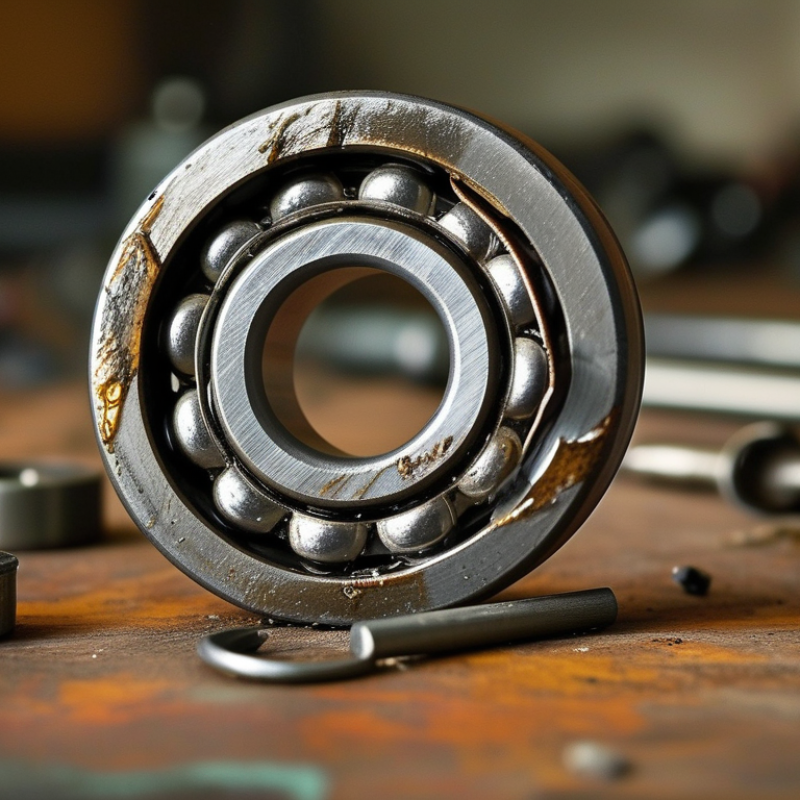
Stuck bearings are a common issue in mechanical systems. Understanding the causes can help in preventing and addressing them effectively.
Corrosion is one major factor. A study from the Journal of Tribology noted that up to
30% of bearing failures are linked to rust and corrosion. When moisture seeps into bearings,
it creates a hostile environment for metal parts. This leads to friction and ultimately, seizing.
Another significant cause is improper lubrication. A report from the
International Journal of Mechanical Engineering indicated that nearly 40% of bearing failures
are due to inadequate or contaminated lubrication. Without the right amount of lubricant, metal components can wear down rapidly.
Overheating and dirt accumulation exacerbate this issue. These factors can result in bearings becoming tightly bound in their housing.
Environmental conditions also play a vital role. High temperatures and dust can worsen bearing performance. Bearings operating in
extreme environments may seize more easily. Technical data indicates that bearing efficiency can drop by
25% in high-dust areas. This reduces lifespan and increases maintenance
needs. Observing these causes can lead to better preventative measures in mechanical systems.
Removing a stuck bearing can be a challenging task. Having the right tools and materials is crucial for a successful extraction. You'll need an assortment of basic tools from your garage. A hammer can offer quick, initial strikes to loosen the bearing. A heat source helps expand metal. Be cautious with heat to avoid damage.
You'll want a sturdy chisel or flat screwdriver for prying. It may take some force, and precision is essential. In addition, use a wrench or pliers for grip when twisting or pulling. A clean workspace with light will help you see what you're doing. However, encountering resistance is common.
Consider using some lubricant to ease the process. WD-40 or penetrating oil can work wonders. Apply it generously, and give it time to soak in. Waiting can feel frustrating, but patience is often needed. Each step requires careful evaluation of the bearing's condition. Reflect on whether to use brute strength or cautious finesse. Achieving the right balance can make all the difference.
When a bearing gets stuck, it can be frustrating.
There are effective methods to remove it without a puller. Start by obtaining a heat source.
A heat gun or some boiling water can work wonders.
Apply heat evenly to the bearing area. This will expand the metal and may help loosen the stuck bearing.
Next, use a hammer and a metal rod or dowel.
Position the rod against the inner race of the bearing. Make sure it’s secure and straight.
Tap the rod gently with the hammer. This step requires patience.
Too much force can damage the surrounding parts.
Check often to avoid missing progress.
If these methods do not work, consider a lubricant.
Penetrating oil can help seep into the crevices.
Apply it generously and let it sit for a while. You may need to repeat the heating and tapping process after this.
Each step may not yield immediate results. It’s essential to remain calm and persistent.
When it comes to removing a stuck bearing without a puller, there are several alternative methods that can be employed effectively. A common technique is the use of heat. Heating the housing around the bearing can create expansion. This can ease the removal process. According to a study by the American Society of Mechanical Engineers (ASME), applying heat can reduce pressure by 30%. However, it’s crucial to control the temperature to avoid damaging surrounding components.
Another method involves using a hammer and block. Placing a block against the bearing and striking it can gain traction. This technique requires precision and caution. A poorly placed hit may cause additional damage. Industry reports indicate that improper handling can lead to a 20% increase in repair costs. A more cautious approach is advisable to avoid these pitfalls. Additionally, lubrication can help. Applying penetrating oil around the bearing may facilitate movement, especially after some time.
These methods do not require special tools. They leverage basic principles of physics and mechanics. However, extracting a bearing without the right equipment can lead to frustration. Each method carries its own risks. Not all setups will respond the same way. To achieve the best outcome, understanding the material and environment is critical.
| Method | Description | Tools Required | Difficulty Level |
|---|---|---|---|
| Hammer and Block | Using a block of wood to protect the shaft, gently tap the bearing until it loosens. | Hammer, Wood Block | Easy |
| Heat Method | Applying heat to the housing to expand it, making it easier for the bearing to come out. | Heat Gun, Safety Gloves | Medium |
| Lubrication | Applying penetrating oil to the bearing to help it slide out more easily. | Penetrating Oil, Brush | Easy |
| Vibration Technique | Using vibrations from a tool to break the bond of the stuck bearing. | Vibrator Tool | Medium |
| Screwdriver Leverage | Using a flathead screwdriver to pry the bearing out carefully without damaging it. | Screwdriver | Medium |
When removing a stuck bearing, safety should be your priority. Always wear safety goggles and gloves to protect your eyes and hands. This simple step can prevent serious injuries from flying debris or sharp tools. Make sure your work area is clean and well-lit. Clutter can lead to accidents, so keep tools organized and out of the way.
Before starting, carefully inspect the bearing and surrounding components. Look for any signs of wear or damage. This could indicate a larger problem that you need to address first. Using improper tools can lead to accidents or damage, so ensure all your tools are suitable for the job. If you’re using heat to expand the housing, take care not to overheat it, as this can lead to further complications. Always have a fire extinguisher nearby, just in case.
While attempting to remove the bearing, be prepared for unexpected challenges. The bearing might still be more stuck than anticipated. If so, reassess your approach. Sometimes, more gentle persuasion is necessary instead of brute force. Reflect on whether additional help or tools may be required. Patience is key, as rushing can lead to mistakes and injury. Each step requires careful thought and attention.
: You'll need a hammer, wrench, chisel, and lubricant. A clean workspace helps too.
Applying heat expands the metal. This can make it easier to loosen a stuck bearing.
Apply penetrating oil and let it soak. Sometimes, patience is key to success.
Use gentle taps with a hammer and check progress frequently to avoid excess force.
Yes, using excessive force can lead to damage. A cautious approach is advisable for best results.
You may need to repeat heating and lubricating. Keeping calm is essential during the process.
Yes, many techniques use heat and basic hand tools effectively for bearing removal.
Good lighting and cleanliness help you see and handle the components better, avoiding mistakes.
Yes, evaluating its condition helps you decide when to use strength versus finesse.
It can increase costs significantly. A careful approach minimizes the risk of further damage.
When dealing with a stuck bearing, it's essential to understand its underlying causes, such as rust, dirt buildup, or improper installation. Knowing how to remove a stuck bearing without a puller can save time and reduce frustration. The process requires specific tools and materials, including hammers, heat sources, and penetrating oils.
A step-by-step guide involves applying lubricant, using heat to expand the housing, and stubbornly tapping around the bearing to loosen it. Additionally, several alternative methods exist for bearing removal without special tools, such as using a makeshift slide hammer or creating a pulling technique with basic household items. Prioritizing safety with gloves and goggles is vital throughout this process to prevent injuries while attempting to remove the bearing effectively.
