Choppa Tools
Creating an efficient workspace in a small garage workshop can be challenging. Renowned workshop expert, Mike Hord, once said, "A well-organized space can drastically improve productivity." His insight rings true for DIY enthusiasts and craftsmen alike. When trying to figure out how to organize a small garage workshop, considering layout and storage is vital.
One common struggle is maximizing the limited space. You might find tools scattered or hard to reach. Using vertical storage solutions can free up valuable floor space. Using pegboards and shelving can also enhance accessibility. Imagine walking into your workshop and finding everything neat and orderly.
Moreover, reflecting on your specific needs is essential. Individual projects require different tools and materials. Perhaps your current setup lacks flexibility. This realization prompts the need for change. Organizing your garage workshop is more than just tidying up. It’s about creating an environment that fosters creativity and efficiency.
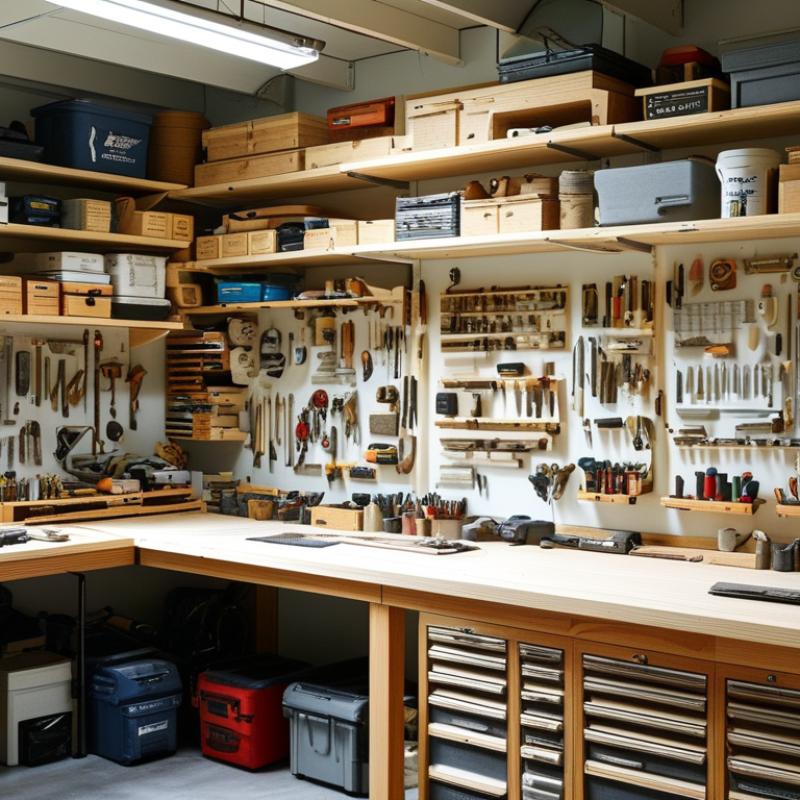
Assessing the available space in your garage is crucial for an efficient workshop. Begin by measuring your garage dimensions. Identify areas for workbenches, storage, and tools. Consider the natural light and ventilation. These elements affect your comfort and productivity.
Tip: Use wall-mounted shelves to save floor space. This keeps essential tools within reach. You might need to declutter before assessing your needs. Don’t hesitate to let go of items you no longer use.
Next, think about what projects you'll tackle. List your essential tools and materials. Are you focusing on woodworking or automotive repairs? Knowing your primary tasks helps in organizing effectively.
Tip: Create zones for different activities. Keep each zone well-defined. This prevents the overlap of tools and materials, making work smoother. Reflect on what works and what doesn’t. Adjust as your needs evolve; your workshop should grow with you.
Creating an efficient small garage workshop starts with the right workbench.
Industry studies suggest a well-designed workbench can improve productivity by up to 30%.
A sturdy surface allows for precise work. Consider height adjustable models to accommodate various tasks and user needs.
The right size matters too; a bench that fits your available space maximizes movement and minimizes clutter.
Equipping your workshop with essential tools is equally crucial.
Data from the National Association of Home Builders indicates that 80% of DIY enthusiasts prioritize accessibility to frequently used tools.
Basic power tools and hand tools should be easily reachable.
Use wall-mounted tool racks and drawer organizers for small items.
This reduces wasted time searching for equipment.
Think about incorporating multipurpose tools to save space and enhance functional capabilities.
Reflect on your workflow.
Are your tools organized effectively?
A poorly arranged workspace can lead to frustration and wasted effort.
Reevaluate your setup regularly to adapt to changing tasks.
Allow flexibility in your design; adaptability can greatly boost your workshop's efficiency.
Adjustments might be necessary over time as projects and priorities change.
Creating a functional garage workshop involves smart storage solutions. Utilizing vertical space is essential. Install shelves high on walls to keep tools off the floor. Pegboards can hold tools, allowing for easy visibility and access. This system can reduce clutter and make it easier to find what you need quickly.
Drawer units can also enhance organization. Group similar items together. It keeps everything orderly. Consider clear storage bins for small parts. They help in finding items without opening each container. Mark each bin clearly. This practice saves time and frustration during projects.
Review your setup regularly. A method that works today may not be efficient in the future. Stay flexible and adapt to changing needs. Think about what items you haven’t used in a while. It might be time to donate or sell them. An organized and efficient workspace stems from continuous evaluation.
Organizing a small garage workshop requires careful planning to boost efficiency. Start by assessing your available space. Identify areas for essential tools and materials. This step is crucial for creating a workflow that reduces unnecessary movement. For example, keep frequently used items within arm’s reach. It’s easier to access your hammer or saw if they’re on the top shelf above your workbench.
Thinking about a workflow layout is key. Arrange your workspace in zones based on tasks. One area can be dedicated to cutting, while another can be for assembly. Use pegboards or shelves to keep tools visible. This helps in quickly finding what you need, but it also encourages keeping things tidy. Reflection on past workspace layouts may reveal inefficiencies. Maybe you realize that you need more light or better ventilation. Regularly reassessing your space can lead to ongoing improvements.
Consider color-coding for materials and tools. It might seem excessive, but it can save time in the long run. Labeling bins and shelves not only enhances organization but helps others locate items easily. Understand that creating an efficient workflow is an ongoing process. It’s normal to make mistakes and adjust your layout over time. Embrace this trial-and-error phase to refine your garage workshop to meet your evolving needs.
Creating a safe and ergonomic garage workshop is essential for maximizing productivity. Industry reports suggest that nearly 60% of workshop injuries stem from inadequate workspace organization. A cluttered environment can limit freedom of movement, leading to accidents. It’s crucial to allocate specific areas for tools and materials. Using wall-mounted storage and labeled bins can significantly reduce trip hazards.
Proper lighting also plays a key role. Research indicates that well-lit workspaces can increase focus and reduce fatigue. Natural light is ideal, but if that’s not possible, bright LED bulbs can help. Position your workbench at a comfortable height to prevent strain. According to ergonomic studies, ideal bench height is usually at the level of the elbow when standing.
Consider the layout of your workshop too. A poorly designed space can bring inefficiencies. Keeping frequently used tools within easy reach reduces excessive bending or stretching. Ensuring pathways are three feet wide allows for safer movement. Incorporating anti-fatigue mats can provide comfort during prolonged standing, which can improve overall well-being. Regularly evaluate your workshop layout and ergonomics, making adjustments based on your experience.
: Measure your garage dimensions. Identify areas for workbenches, storage, and tools.
Natural light and ventilation enhance comfort and productivity. Don't overlook these aspects.
Use wall-mounted shelves and pegboards to keep tools visible and accessible.
Look for height-adjustable models. Make sure it fits your available space well.
A poorly arranged workspace can lead to frustration. Regularly reevaluate your setup.
Group similar items together and use clear storage bins. Mark each bin clearly.
Review your setup regularly. Stay flexible and adapt as your needs change.
Multipurpose tools save space and enhance functionality. Consider adding them to your setup.
If you find items you haven't used in a while, consider donating or selling them.
Reflect on what works and adjust accordingly. Flexibility is key to efficiency.
To effectively learn how to organize a small garage workshop, the first step is assessing the available space and identifying the specific needs for your workshop. By understanding what tasks you will be performing, you can choose an appropriate workbench and essential tools that will enhance efficiency. It's crucial to implement smart storage solutions that maximize space, ensuring that everything is within reach and well-organized.
Next, creating a workflow layout is key to enhancing productivity in your workshop. This layout should facilitate smooth transitions between tasks. Additionally, don't overlook the importance of safety and ergonomics in your design, as a comfortable and safe workspace contributes significantly to overall efficiency. By following these guidelines, you can transform a small garage into a highly functional workshop.
