When working with heavy machinery, a reliable gear puller is essential. However, many users face an unexpected issue: "why is my gear puller slipping?" This problem can lead to delays in projects and increased frustration. Understanding the common reasons for slipping is crucial to addressing it effectively.
Gear pullers are designed to exert significant force. If they slip, it may be due to improper setup or lack of lubrication. Sometimes, a worn or damaged gear puller can also contribute to this issue. These scenarios can be frustrating and might make you question your own methods. Reflecting on your technique can provide insights into common mistakes.
This guide aims to address the reasons behind a slipping gear puller. It will also offer practical solutions to resolve these issues. Knowing how to troubleshoot efficiently can restore your confidence in using gear pullers. Taking the time to understand these problems will prevent future setbacks.
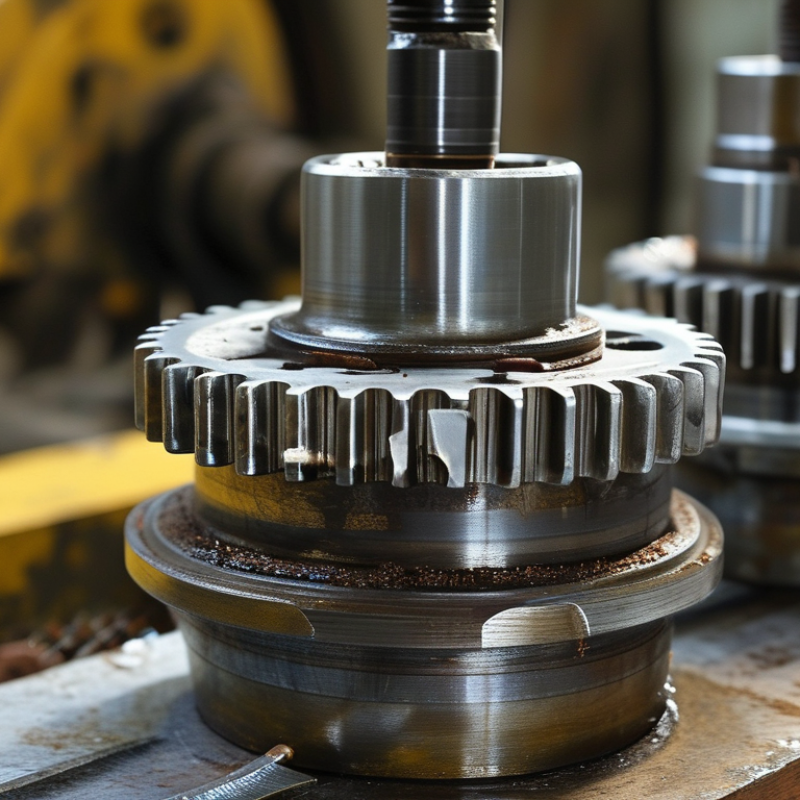
Understanding Gear Puller Functionality and Mechanics
Understanding how a gear puller functions is crucial in troubleshooting issues like slippage. Gear pullers utilize a mechanical advantage to remove tightly fitted gears. They work by applying force evenly across the gear's surface. This evenly distributed pressure is essential for a successful pull. If there's misalignment, the tool can slip, causing frustration and potential damage.
Proper maintenance is vital for optimal performance. Dirt and debris can accumulate in the threads, leading to inefficiency. Regular cleaning ensures smooth operation. Checking for wear and tear is equally important. Over time, components can become compromised. This can affect the force needed to remove gears. Small cracks or bends may go unnoticed, yet they significantly impact functionality.
Understanding the mechanics behind your gear puller allows for better troubleshooting. Observing how the tool interacts with different gear sizes is key. Adjustments may be necessary for various applications. Each gear may require a specific amount of force, and not accounting for this can lead to slippage. Reflection on these details will help you achieve better results.
Common Reasons for Gear Puller Slipping
A gear puller can slip for several reasons. Understanding these issues can help you resolve them effectively. One common cause is using the wrong size puller. If the puller doesn’t fit the gear properly, it will not grip securely. This often results in slipping during the removal process. It’s crucial to check the dimensions of both the puller and the gear before starting your work.
Another reason for slipping is improper handling or application of force. Many users underestimate how much pressure is needed. If you apply force too suddenly, or not evenly, the puller may slip. Always apply consistent pressure while observing how the tool interacts with the gear. Using skilled technique plays a significant role in successful gear removal. Sometimes, it’s easy to overlook proper setup. Take a moment to ensure everything is aligned correctly.
A worn-out or damaged puller may also lead to slipping. Regular inspections of your tools are essential. Look for signs of wear or damage that could compromise grip. Reflecting on previous experiences can also provide insights. Did you encounter slippage before? Identifying patterns in your work habits can help prevent future issues.
Why Is My Gear Puller Slipping? How to Fix Common Issues?
| Issue |
Description |
Possible Solution |
| Incorrect Size |
The gear puller is not the right size for the gear being removed, causing it to slip. |
Use a puller that closely matches the size of the gear. |
| Worn Out Jaws |
The gripping jaws are worn down and cannot maintain a secure grip. |
Replace the jaws or purchase a new gear puller. |
| Improper Technique |
Using the gear puller incorrectly can lead to slipping and failure. |
Make sure to follow the proper technique for using a gear puller. |
| Insufficient Force |
Not applying enough force to remove the gear can result in slippage. |
Use a torque wrench to apply the appropriate amount of force. |
| Rust or Dirt |
Debris can obstruct the puller's fit and cause slipping. |
Clean the gear and puller thoroughly before use. |
How to Identify and Diagnose Gear Puller Issues
When dealing with gear puller issues, it's important to identify the signs of slipping. A slipping gear puller often results from inadequate grip or incorrect alignment. If the puller's arms do not fit securely around the part you are trying to remove, it can fail to exert the necessary force.
Check for any wear or damage on both the puller and the component being worked on. Even a small misalignment can lead to disappointing results.
Another common issue is the effectiveness of the screw mechanism. If the screw is stripped or dirty, it won't apply proper pressure. Inspect the screw threads for any signs of wear. Ensure everything is lubricated and clean.
A good practice is to keep spare parts on hand. Sometimes, the problem might stem from applying too much force. Intuition might lead you to tighten the puller more, but this can backfire. Instead, a cautious approach often yields better results.
Step-by-Step Guide to Fixing Gear Puller Problems
Using a gear puller can be challenging when it slips during operation. Many mechanics face this issue, and understanding how to fix it is crucial. Common causes include improper setup, worn components, or inadequate pressure. Each factor can significantly influence the puller's performance.
Start by examining your gear puller. Ensure it is correctly aligned with the gear you are trying to remove. Misalignment can result in slippage. According to industry reports, over 40% of puller failures stem from setup errors. Next, check the condition of the jaws and threads. Worn threads can diminish the tool's grip.
When working with a gear puller, a few tips can help enhance its effectiveness. Always lubricate the threads to prevent seizing. This simple act can prolong the lifespan of the tool. Additionally, applying gradual pressure can ensure stability during use. Be cautious; excessive force can lead to slipping or damaging the component. Regularly inspecting your tools helps maintain performance and safety.
Lastly, ensure you are using the right type of gear puller for your task. Using an inappropriate tool can lead to errors and inefficiencies. As more than 30% of repair attempts fail due to incorrect tool selection, research before starting your project. Implementing these adjustments will significantly reduce slippage issues and improve your workflow.
Preventive Measures to Avoid Gear Puller Slipping in the Future
Gear pullers are essential tools for mechanics, yet they can slip during use. Slipping can lead to frustration and wasted time. To prevent this, start by ensuring the gear puller is correctly positioned. The legs should sit evenly on the gear. Misalignment can cause slippage and ineffective pulling. Keep the surface clean where the puller makes contact. Dirt can easily reduce friction and grip, leading to complications.
Another preventive measure is to apply consistent force. Jerky movements can cause the puller to lose its grip. Use a steady and controlled motion for better results. Regular inspection of the tool is crucial as well. Check for wear or damage, especially on the pulling legs. Over time, these parts may lose their integrity, making them less effective. Consider lubricating connection points lightly. Too much grease can create a slippery surface; just a little can go a long way.
Educate yourself on the operation of your specific gear puller. This knowledge can enhance your ability to use the tool effectively. Reflect on past experiences where slippage occurred. Were you rushing or distracted? Learning from these moments can lead to better practices in the future. Developing a routine can significantly improve your success rate with gear pullers.
FAQS
: A gear puller removes tightly fitted gears using mechanical advantage. It applies force evenly across the gear's surface.
Regular maintenance prevents dirt buildup. Clean threads ensure smooth operation and reduce inefficiency.
Common causes include using the wrong size puller and applying force unevenly. Misalignment can also lead to slippage.
Inspect for wear, small cracks, or bends. Even minor damage can significantly affect the puller's performance.
The screw mechanism exerts pressure. If stripped or dirty, it won't apply adequate force for gear removal.
Ensure proper alignment and grip before starting. Apply consistent pressure and reflect on your technique for better results.
Check the puller size and alignment. Reassess your technique and avoid sudden, uneven forces during operation.
Yes, many users forget to ensure everything is aligned. This can lead to frustration and ineffective results.
Watch for any signs of wear and ensure cleanliness. It’s also beneficial to have spare parts available for quick fixes.
Conclusion
In the article "Why Is My Gear Puller Slipping? How to Fix Common Issues," we explore the essential functionality and mechanics of gear pullers, explaining their role in mechanical repairs. Understanding why a gear puller may slip is crucial, as it can often stem from improper usage, insufficient grip, or wear and tear on the tool itself. We provide a detailed guide on how to identify and diagnose these issues, ensuring that users can effectively troubleshoot their gear pullers.
The article further includes a step-by-step guide for fixing common gear puller problems, along with preventive measures to avoid slipping in the future. By addressing these common concerns, users can enhance the reliability of their gear pullers, gaining insight into preventative maintenance strategies and ensuring efficient performance on their projects.
 Choppa Tools
