Choppa Tools
Using a bearing puller can be an effective method for removing bearings, but safety should always be your top priority. When exploring how to use a bearing puller safely, understanding the tool’s mechanics is crucial. A bearing puller exerts significant force, and any misstep can lead to serious injuries or equipment damage.
Familiarity with your specific puller model is essential. Each design has unique requirements for use. Ensure you have the correct size and type for your task. Utilize safety gear, such as gloves and goggles, to protect yourself against unexpected reactions. Always check that the puller's arms are securely positioned before applying any force.
Consider your workspace. A cluttered area can lead to distractions, increasing the risk of accidents. Preparation is vital, but even experienced users sometimes overlook details. Reflecting on past slip-ups can lead to better practices. Remember, knowing how to use a bearing puller safely is not just about technique; it’s about fostering a mindset focused on safety and diligence.
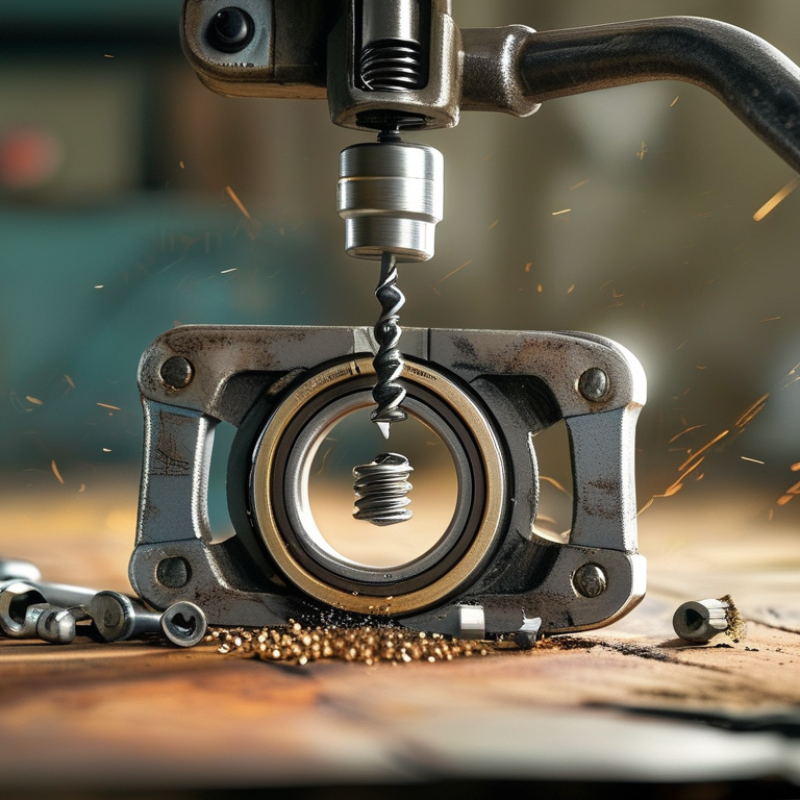
When it comes to using a bearing puller, understanding the different types available is crucial. There are several designs, including three-jaw pullers, two-jaw pullers, and internal pullers. Each type serves a specific purpose. For example, three-jaw pullers are ideal for removing bearings from shafts. They distribute pressure evenly, reducing the risk of damage. In contrast, internal pullers work well for deeper-seated bearings. Choosing the right tool can significantly affect your success and safety.
In practice, operators often overlook proper setup and alignment. Misalignment can lead to tool breakage and accidents. Always ensure the puller's arms sit securely against the bearing. Additionally, users should be aware of the force they apply. Too much pressure can cause catastrophic failures. Maintaining control is essential. Some mechanics may feel tempted to rush the process. It's a slippery slope to potential mishaps. Every step should be deliberate, prioritizing safety and accuracy. Balancing speed with caution is a constant learning curve in the field.
When working with a bearing puller, safety gear is essential.
Ensure you wear safety goggles to protect your eyes from flying debris.
Gloves provide grip and guard against sharp edges. Steel-toed boots will safeguard your feet from heavy equipment.
A hard hat may be necessary in some environments. Always check your equipment before starting any task.
Using a bearing puller involves risks. Understand how to use the tool properly. Follow the manufacturer's guidelines for the specific model you're operating.
Ensure the puller is compatible with the bearing size. A wrong fit can lead to accidents.
Space is crucial when working. Keep your work area organized. Avoid clutter that could lead to trips or falls.
It’s easy to overlook safety when focused on the task. Always take a moment to reassess your setup. Overconfidence can lead to mistakes, so don’t rush.
Remember, proper preparation enhances safety.
Setting up a bearing puller requires careful attention to detail. Start by selecting the right puller for the job. Check the size and type of bearing to ensure compatibility. This choice can make or break the removal process. Lay out all components before starting. Doing so can prevent confusion while you work.
Next, clean the area around the bearing. Dirt and debris can obstruct the puller’s grip. Avoid rushing this step. A clean surface facilitates a smoother pull.
When attaching the puller, ensure it is centered over the bearing. An off-center setup may lead to damage or injury. Tighten the puller gradually, allowing time for adjustments.
Watch for signs of stress on the puller. Listen for unusual sounds. An unexpected creaking noise might signal a problem. If you notice any irregularities, stop immediately. Reflect on your setup and make necessary adjustments.
Using a bearing puller demands patience and precision. If uncertainty lingers, consulting a professional can provide clarity, ensuring safe operation.
Using a bearing puller can be tricky. Many users make common mistakes that can lead to unsafe conditions. One mistake is not properly checking the puller’s compatibility with the bearing. Always verify dimensions and specifications before starting. Ignoring this step can result in damage to the bearing or the surrounding components.
Another issue is improper positioning of the puller. Ensure that the puller's arms are evenly distributed on the bearing. Misalignment can cause the puller to slip or break under pressure. Additionally, applying too much force too quickly is a common error. Gradually increase pressure to prevent sudden failures. Remember, safety comes first; don’t rush the job.
Finally, neglecting personal safety gear is a significant oversight. Wear gloves and goggles to protect from flying debris. Many overlook these simple precautions, which can lead to serious injuries. Reflecting on these mistakes can enhance your understanding and skills. Every experience provides a lesson. Take your time, and always prioritize safety when using a bearing puller.
When using a bearing puller, proper maintenance is key to ensuring both safety and longevity. Regular inspection of the puller's components can help identify any signs of wear or damage. According to industry reports, equipment that is well-maintained can last 30% longer than those that are neglected. Check for rust or corrosion on the puller arms and the center screw. Even minor defects can lead to equipment failure when under stress.
Lubrication plays a crucial role in the performance of bearing pullers. Industry standards suggest using high-quality lubricants to minimize friction. A well-lubricated puller reduces the risk of parts seizing, which is a common cause of accidents. Ensure that you apply lubricant at the appropriate points as specified in product guidelines. Ignoring this can lead to unexpected failures and potential hazards.
Finally, store pullers in a dry and clean environment. Moisture and debris can accelerate wear. In a study published by the Machinery Maintenance Journal, poorly stored tools were associated with a 25% increase in repair costs. Consistently cleaning after use can also improve your tool's functionality. These practices may seem tedious, but the cost of improper care can be significantly higher than regular maintenance.
This chart illustrates the importance level of essential safety tips for using a bearing puller, rated from 1 to 10. High ratings emphasize the critical nature of these precautions to ensure safety and prolong the longevity of the pulling tool.
: Choose a puller based on the size and type of the bearing. Compatibility is essential for successful removal.
Dirt and debris can reduce the puller’s grip. A clean surface ensures a smoother and safer pulling process.
An off-center setup can cause damage or injury. Always ensure proper alignment before tightening the puller.
Listen for any unusual sounds, such as creaking. If you notice them, stop and reassess your setup immediately.
Regular inspection can reveal wear or damage. Well-maintained equipment can last significantly longer than neglected tools.
Regular lubrication at specified points is crucial. It minimizes friction and prevents parts from seizing during use.
Inspect the rusted components closely. Any signs of corrosion can lead to failures and should be addressed promptly.
Keep it in a dry and clean place. Moisture can promote wear, leading to higher repair costs over time.
Yes, consistent cleaning can enhance functionality. Neglecting this step may lead to unexpected tool failures.
Ignoring maintenance can lead to accidents and equipment failure. The cost of neglect may far exceed regular upkeep expenses.
In the article "10 Essential Tips for Using a Bearing Puller Safely," readers are guided through fundamental practices for safe and effective bearing puller operations. It begins with an overview of different types of bearing pullers and their applications, helping users choose the right tool for their tasks. The importance of wearing essential safety gear is emphasized, ensuring that operators are protected during operations.
The article also outlines proper techniques for setting up a bearing puller, highlighting common mistakes that can lead to accidents or equipment damage. To extend the lifespan of bearing pullers and maintain safety, maintenance tips are provided. Overall, this comprehensive guide focuses on how to use a bearing puller safely, equipping users with the necessary knowledge to perform tasks correctly while minimizing risks.
