For DIY automotive enthusiasts, understanding "what are the essential automotive tools for DIY" is crucial. A recent report from the Automotive Tools Association highlights that 70% of DIY repairs can be handled with a basic toolkit. This statistic underscores the importance of having the right tools at one's fingertips. According to industry expert, John Smith, “A well-equipped garage can transform your automotive experience.”
Essential tools typically include a set of wrenches, a socket set, and a torque wrench. These items enable enthusiasts to tackle most common repairs confidently. However, many DIYers overlook the importance of quality. Investing in durable hand tools can save time and money in the long run. Selecting the right gear often requires reflection on personal automotive needs.
Yet, not all tools are created equal. Some may find themselves with tools they rarely use, while others struggle without them. Mindfully curating a toolkit is a continuous journey. The right mix of essential tools can enhance your projects, making mechanical tasks more accessible. Understanding these elements will lead to improved DIY experiences and greater satisfaction.
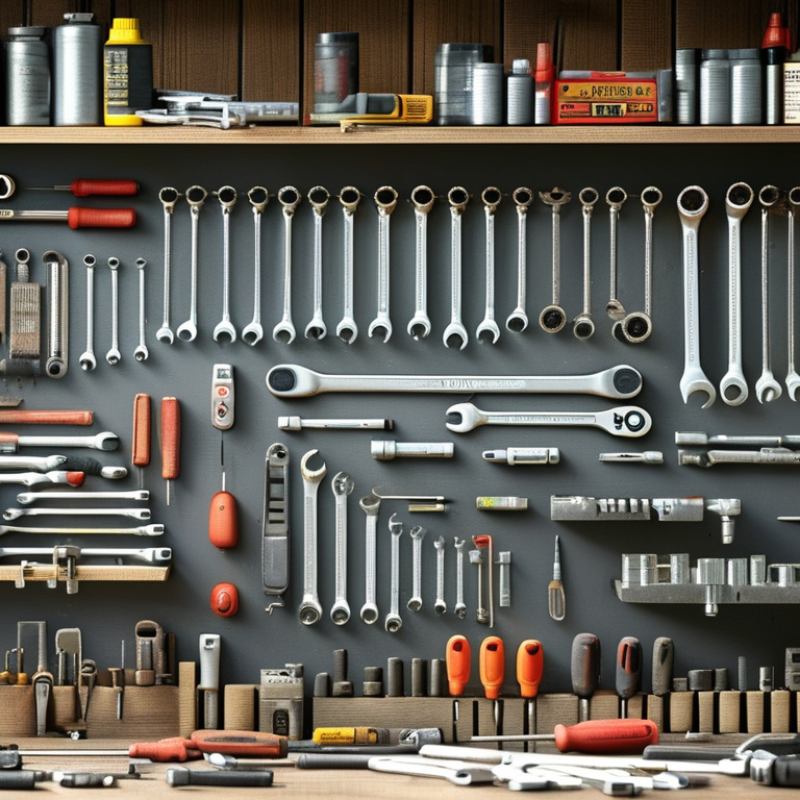
Essential Hand Tools for DIY Automotive Repairs in China
For DIY automotive repairs in China, having the right hand tools is crucial. Basics such as wrenches and pliers are essential. A set of various sizes will accommodate most tasks. Remember to include a torque wrench for precision. Accurate torque is vital for engine components. Without it, you risk damaging parts over time.
Screwdrivers are another must-have. Flathead and Phillips are the most common. Consider adding specialized screwdrivers for specific tasks. A small magnetic tray can help keep screws organized. Losing small parts can be frustrating. It happens more often than you think.
Don't overlook safety gear. Gloves protect your hands from sharp edges. Safety glasses shield your eyes from debris. Every DIY enthusiast should have these on hand.
Also, invest in a good creeper for under-vehicle tasks. Working under a car can strain your back. A creeper makes it easier and more comfortable. Each of these tools reflects a thoughtful approach to auto maintenance. They empower enthusiasts to tackle repairs effectively.
Must-Have Power Tools for Car Maintenance and Upgrades
For DIY automotive enthusiasts, having the right power tools is crucial for effective car maintenance and upgrades. According to the Automotive Aftermarket Industry Association, the DIY automotive market is expected to reach $19.4 billion by 2025. This highlights a growing trend among car owners who prefer to work on their vehicles. Essential tools include electric impact wrenches, cordless drills, and quality jacks, which can significantly enhance productivity and safety.
Electric impact wrenches can save time and energy when removing stubborn bolts. For those DIYers lacking experience, it's essential to practice caution to avoid over-torquing, which can damage components. A common mistake is overlooking the importance of protective gear. Safety goggles and gloves are vital to prevent injuries from metal shavings and sharp edges.
Another must-have is a cordless drill for tasks ranging from simple repairs to intricate upgrades. Its portability allows for easy access to various angles and tight spots. However, users often misjudge battery life, leading to frustrating interruptions. Keeping an extra battery charged can mitigate this issue and keep your workflow smooth. Embracing these tips can help in mastering DIY car projects efficiently and safely, ultimately enhancing your automotive knowledge and skills.
Diagnostic Tools Every Automotive DIY Enthusiast Should Own
Every automotive DIY enthusiast knows that having the right diagnostic tools is crucial for effective maintenance and repair. Understanding your vehicle's performance is the first step towards tackling any issues. One essential tool is an OBD-II scanner. This device reads error codes generated by your car's onboard computer. It simplifies the troubleshooting process, allowing you to identify problems quickly. Remember, however, that not all codes are straightforward. Interpreting them can sometimes lead to confusion.
Another important tool is a multimeter. This handy device measures voltage, current, and resistance, making it invaluable for diagnosing electrical issues. Many DIYers overlook electrical faults, thinking the problem lies elsewhere. A multimeter can save time and frustration by pinpointing the true source of an issue. While using a multimeter, take the time to learn its functions better. This knowledge enhances your troubleshooting skills.
Lastly, a battery tester can help assess battery health. A weak battery can mimic various mechanical issues, leading to unnecessary repairs. Regular testing can prevent misdiagnosis. Yet, not all testers are accurate. Investing time in research ensures you choose a reliable model. Remember, being informed turns challenges into learning opportunities on your path to becoming a skilled DIY automotive enthusiast.
Safety Equipment and Gear for DIY Automotive Projects
When engaging in DIY automotive projects, safety should always be the top priority. Reports indicate that approximately 20% of DIY enthusiasts experience injuries while working on their vehicles. This highlights the importance of proper safety equipment. Essential gear includes gloves, safety goggles, and ear protection. These items can prevent minor injuries that could lead to serious complications.
Using quality safety equipment significantly reduces the risk of accidents. For example, industrial safety goggles can block up to 99% of harmful UV light and provide impact protection. Additionally, employing mechanics gloves protects hands from sharp tools and hazardous substances. Many DIYers underestimate how such simple precautions can save them from injury.
Reflecting on one’s safety practices is crucial. Some may think they are skilled enough to forgo safety gear, but data suggests otherwise. In fact, nearly 25% of injuries occur when individuals are not wearing the recommended safety equipment. Investing in the right gear not only enhances personal safety but also contributes to a more successful project outcome.
Organizational Tips for Storing Automotive Tools at Home
Storing automotive tools properly can greatly enhance your DIY projects. A cluttered workspace not only slows you down but can also lead to frustration. Start by categorizing your tools. Group them by type or usage. For example, keep wrenches together, and separate them from power tools. This simple step saves time when searching for specific items.
Using a pegboard can effectively organize your tools. Hang frequently used tools where you can easily see them. This way, access is quick during your projects. Storing smaller items, like screws and nuts, in labeled containers can also prevent lost pieces. Drawer dividers can help in keeping drawers orderly.
It’s important to regularly assess your tool collection. You may find that some tools go unused for years. Reflect on what you truly need versus what you keep out of habit. A clean workspace fosters creativity, while excess tools can create confusion. Prioritize what is essential and let go of the extras to streamline your DIY experience.
China Top Essential Automotive Tools for DIY Enthusiasts - Organizational Tips for Storing Automotive Tools at Home
| Tool Name |
Use |
Storage Tip |
| Wrench Set |
Tightening and loosening bolts |
Store in a tool organizer or drawer to keep sizes sorted |
| Screwdriver Set |
Driving screws |
Use a magnetic strip on the wall for easy access |
| Pliers |
Gripping and bending wires |
Hang on hooks in a dedicated tool wall |
| Socket Set |
Turning nuts and bolts |
Keep in a labeled case for easy retrieval |
| Torque Wrench |
Applying a specific torque to fasteners |
Store in protective sheaths to avoid damage |
| Multimeter |
Measuring electrical properties |
Place in a protective case and label it |
| Car Jack |
Lifting the car for maintenance |
Store under shelves to keep the floor clear |
| Oil Filter Wrench |
Removing oil filters |
Hang on a pegboard to keep it accessible |
FAQS
: Essential tools include electric impact wrenches, cordless drills, and quality jacks. These enhance safety and productivity.
Use electric impact wrenches. They save time and energy but practice caution to avoid damage from over-torquing.
Safety goggles and gloves prevent injuries from metal shavings and sharp edges. Don’t overlook their importance.
An OBD-II scanner reads error codes from your car’s computer, simplifying the troubleshooting process.
Keep an extra battery charged. This helps avoid frustrating interruptions during your projects.
Use a battery tester. It assesses battery conditions and prevents misdiagnosing mechanical issues.
Categorize tools by type or usage, and use pegboards for visibility. This prevents clutter and speeds up your work.
Regularly review your tools. Some may go unused for years. Streamlining your collection increases efficiency.
Misjudging battery life or overlooking electrical issues are common mistakes. Proper knowledge can improve your DIY skills.
Prioritize essential tools and let go of extras. A clutter-free area fosters creativity and enhances your DIY experience.
Conclusion
When considering what are the essential automotive tools for DIY enthusiasts in China, it is crucial to start with a comprehensive set of hand tools for repairs, such as wrenches, screwdrivers, and pliers. These basics are complemented by must-have power tools that streamline car maintenance and upgrades, including drills and impact wrenches. Additionally, diagnostic tools, such as code readers and multimeters, empower DIYers to identify and solve issues efficiently.
Safety is paramount, so investing in personal protective equipment like gloves and goggles is essential to prevent injuries during projects. Lastly, keeping tools organized is vital for any DIY enthusiast; utilizing storage systems like toolboxes and pegboards can enhance efficiency and ease of access. By equipping themselves with these essential tools and employing proper storage methods, automotive DIY enthusiasts can successfully tackle a wide range of projects.
 Choppa Tools
