Choppa Tools
When it comes to learning how to clean rusty garage tools, expertise can make a significant difference. Mike Reynolds, a well-known tool restoration expert, emphasizes, “Rust doesn’t have to mean the end for your tools.” This statement captures the hope many feel when faced with corrosion. Rusty tools can be a common sight in garages, often found sitting in corners, covered in layers of neglect.
Cleaning these tools effectively is not just about restoration; it’s a matter of safety and efficiency. A rusty tool can compromise a project or even lead to injuries. The process of learning how to clean rusty garage tools involves several practical steps. Each tool requires specific attention, and approaching the task with patience is essential.
As we dive into this guide, remember that challenges may arise. Some rust might resist your efforts, frustrating even the most seasoned DIY enthusiasts. Yet, each attempt brings you closer to mastering the art of restoring your tools. Embracing this journey can lead to a rewarding experience, transforming what was once deemed useless back into functional tools.
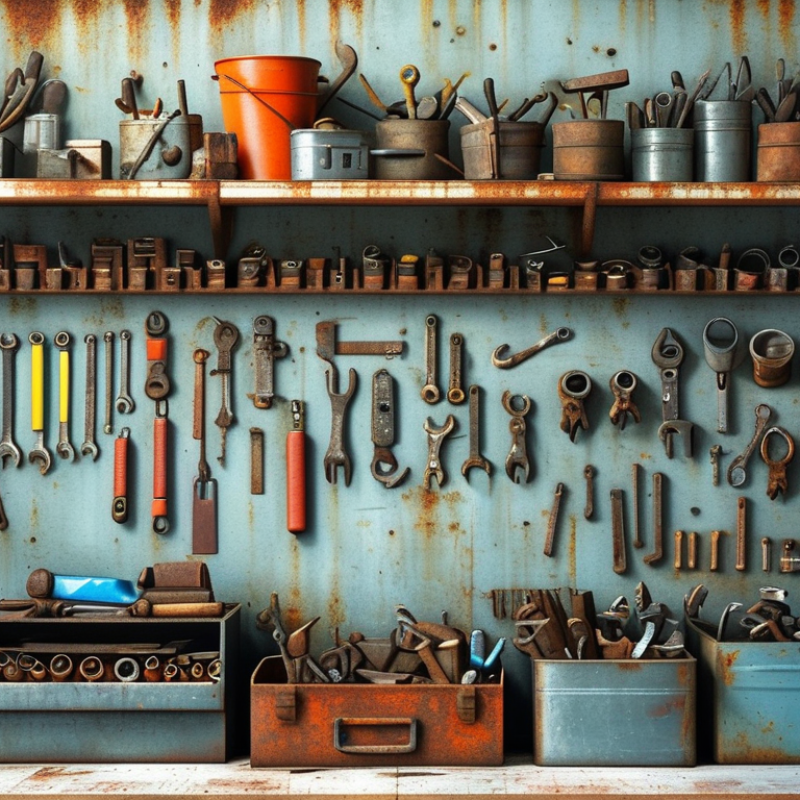
When dealing with rusty garage tools, choosing the right cleaning method is crucial. A popular approach involves using
vinegar. Its acetic acid can break down rust effectively.
Soak small tools in vinegar for a few hours. For larger items, apply vinegar with a cloth.
Scrub afterward to reveal clean metal.
Another common method is baking soda. Mix it with water to create a paste.
Apply this paste to rusted areas and let it sit for a while. The alkaline qualities of baking soda work well.
Wipe off after some time to see the improvement. Always remember to wear gloves, as rust particles
can be harmful.
Keep in mind that these methods do not always guarantee complete rust removal.
Persistent rust may need repeated applications. Over time, some tools may show signs
of surface damage. Reflecting on the cleaning process, some rust can often return. Preventing rust is as vital as cleaning it.
Store tools in a dry place to minimize moisture exposure.
This simple step can prolong their lifespan significantly.
Cleaning rusty garage tools can seem daunting. However, having the right supplies can simplify the process significantly. Start with basic items like wire brushes and sandpaper. A wire brush helps to scrape away loose rust. It’s effective for both flat surfaces and intricate areas. Sandpaper serves as a fine finishing tool, smoothing out any rough spots.
Another essential supply is vinegar. This household item is a natural rust remover. Soaking your tools in vinegar for several hours can break down rust effectively. Baking soda is also helpful; it neutralizes rust when mixed with water to form a paste. Apply the paste to the rusted areas and let it sit before scrubbing. For stubborn rust, consider using a dedicated rust remover.
Using these supplies may seem straightforward, but minor mistakes can hinder progress. Over-scrubbing can scratch the tool’s surface. Patience is key—allowing time for soaking improves results. Always wear gloves to protect your hands from chemicals and rough surfaces. Each tool may require a different approach, leading to a learning experience in rust removal.
Cleaning rusty garage tools is crucial for maintaining their functionality. Many garage enthusiasts overlook this task. According to a report by a national home improvement organization, nearly 30% of homeowners own rusty tools but are unaware of the efficient methods to restore them.
Start by assessing the level of rust on each tool. Light rust can be treated with a mixture of vinegar and baking soda. Scrub the affected areas using a nylon brush. For heavier rust, consider using fine-grit sandpaper or a wire brush. Always wear gloves and goggles during this process. A study suggests that tools cleaned regularly are 50% more likely to last longer, offering great value over time.
After removing rust, apply a thin layer of oil to prevent future corrosion. Many individuals forget this essential step. Regular maintenance can seem tedious, yet it saves time and cost in the long term. Using a rust-resistant spray can be a quick solution, but inconsistent application may lead to uneven protection. Ensure you evaluate your cleaning routine. Acknowledging the need for consistency in tool maintenance can yield better results.
Rust prevention is crucial for maintaining the longevity of garage tools. A study published by the National Institute of Standards and Technology revealed that over 50% of tool damage occurs due to rust. This emphasizes the importance of proper care post-cleaning. To prevent future rust, consider using a protective coat of oil or wax. These barriers can shield tools from moisture, a common rust catalyst.
Storing tools correctly also plays a vital role in prevention. Keeping items in a dry, temperature-controlled environment significantly reduces rust chances. The American Society of Testing and Materials recommends using silica gel packets to absorb excess moisture. Small measures like these can prevent large issues down the line.
Regular inspections also help in catching early signs of rust. Addressing issues promptly can save time and money. Keeping a log of tool usage and conditions can be beneficial. It’s a simple yet effective way to maintain tool integrity and reflect on practices that might lead to rust. This proactive focus on tool storage and maintenance fosters a more reflective approach to rust management.
Maintenance is vital for keeping garage tools rust-free. Regular care not only prolongs tool life but also improves performance. Here are some practical tips.
Store tools in a dry environment. Moisture accelerates rust formation. Consider using desiccants in your toolbox or garage. Check for dampness regularly and address any leaks promptly. If tools do get wet, dry them immediately.
Clean tools after each use. Remove any dirt or debris that may trap moisture. A simple wipe down with a cloth works wonders. For stubborn grime, use a brush designated for cleaning. Always coat metal surfaces with light oil to create a protective barrier.
Inspect tools routinely. Look for early signs of rust. If found, address it quickly with rust remover or fine-grit sandpaper. Maintaining a rust-free environment requires consistency. Skipping these steps may lead to regret and costly replacements later.
: Soak small tools in vinegar for a few hours. For larger items, apply vinegar with a cloth.
Mix baking soda with water to create a paste. Apply it to rusted areas and let it sit.
Yes, always wear gloves. Rust particles can be harmful to your skin.
No, they may not guarantee complete removal. Some rust may return even after cleaning.
Store tools in a dry place. This minimizes moisture exposure and reduces rust chances.
Yes, a protective coat of oil or wax shields tools from moisture, helping prevent rust.
Proper storage in a dry, controlled environment significantly reduces rust formation.
Yes, regular inspections help catch early rust signs and address issues promptly.
Keeping a log of tool usage and conditions can help reflect on rust management practices.
Yes, cleaning may cause surface damage to some tools after repeated applications.
In the article “How to Clean Rusty Garage Tools Effectively?”, readers are guided through essential techniques for restoring their tools to working condition. The first section emphasizes choosing the right cleaning methods tailored to different types of rusted tools, ensuring an effective rust removal. Key supplies, such as wire brushes, vinegar, and rust removers, are highlighted as crucial for the cleaning process.
The step-by-step approach simplifies the rust removal process, making it accessible even for beginners. After cleaning, the importance of preventing future rust is discussed, providing practical tips to keep tools in optimal condition. Regular maintenance strategies are also presented, which are indispensable for ensuring tools remain rust-free long-term. This comprehensive guide is invaluable for anyone looking to learn how to clean rusty garage tools and extend their lifespan.
