Choppa Tools
Stripped bolts in car engines pose a common yet frustrating challenge for many vehicle owners and mechanics alike. According to a report by the International Automotive Technicians Network (iATN), nearly 30% of automotive repairs involve issues with fasteners, including stripped bolts. Knowing how to remove a stripped bolt in a car engine can save both time and money, preventing extensive damage during repairs.
Removing a stripped bolt requires a combination of proper techniques and tools. Many enthusiasts rely on recommended methods, which often include using penetrating oil or specialized extractors. A study published by the Society of Automotive Engineers (SAE) highlighted that incorrect removal techniques can lead to further complications and additional repair costs. Understanding the right approach is crucial, as improper handling can exacerbate the problem.
The information presented here is based on hands-on experience and automotive engineering principles. While no method is foolproof, having effective strategies can empower car owners. Choosing the best technique may depend on the severity of the stripping and the tools available. Each situation is unique, and reflections on past experiences can inform better decision-making in the future.
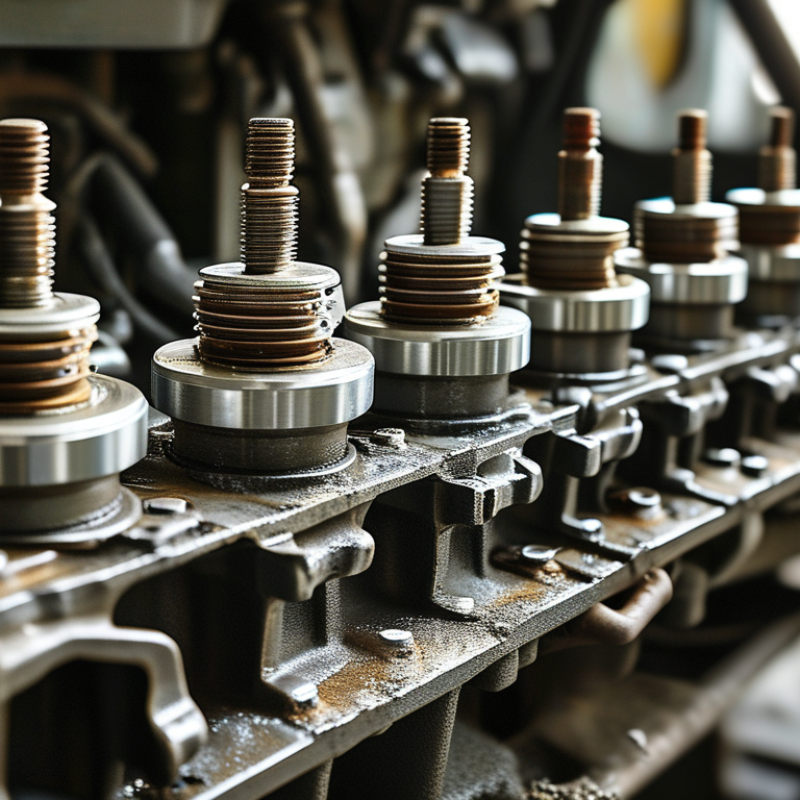
Stripped bolts often arise from improper techniques or excessive force. When the bolt is over-torqued, the threads can become damaged. This damage makes removing or tightening the bolt challenging. Understanding the causes can help prevent future issues.
To prevent stripped bolts, using the right tools is crucial. Ensure you have wrenches that fit snugly on the bolt. Improper-sized tools can slip and cause stripping. It’s also important to follow the manufacturer’s torque specifications. Ignoring these can lead to disaster.
Regular inspection of your working area is key. Look for visible wear on bolts and replace them if necessary. Sometimes, cleaning the threads can help, too. Using a thread chaser or tap can restore stripped threads in some situations. Stay aware and practice caution to maintain the integrity of your engine components.
When dealing with stripped bolts in engine repair, having the right tools is crucial. A good set of pliers is essential for gripping stripped bolts. Sometimes, gripping can get a bit tricky. The right amount of pressure needs to be applied. Too much grip can break the bolt, while too little will not extract it.
An extractor set is another must-have. These tools are specifically designed to remove stubborn bolts. They often come in various sizes, allowing you to choose the perfect fit. However, it’s easy to misjudge which size to use. This can lead to more damage, making the repair harder.
A hammer and chisel also have their place in the toolbox. Using a chisel can help in breaking the surface around the bolt. But care is needed. A misstrike can cause more harm than good. Additionally, penetrating oil can sometimes loosen the bond of the bolt. Spraying it on may require patience; it usually needs time to work effectively. For tough situations, consider heat. A torch can expand the metal, helping to release the bolt, but overdoing it can lead to complications in the engine. Proper technique and caution are vital.
Removing a stripped bolt can be a daunting task, especially in a car engine. Start by assessing the bolt's condition. A stripped bolt may have noticeable wear on the head. Gather the necessary tools: penetrating oil, a bolt extractor set, and safety goggles. Protect your eyes before beginning any removal process. Apply the penetrating oil generously. Allow it to soak for at least fifteen minutes. This step can significantly ease the bolt removal.
Once the oil has penetrated, choose the right extractor. Select one that fits snugly into the stripped bolt. Using a drill, create a hole in the center of the bolt. Drill slowly to avoid any accidents. After creating the hole, insert the extractor into it. Turn your wrench counterclockwise to grip the bolt securely. Be patient; stripping can happen easily during this process. If the bolt does not budge, you might need to repeat the drilling with a larger extractor.
Remember, every situation is unique. Sometimes, using heat can help loosen a particularly stubborn bolt. Apply heat around the bolt area for a few moments. Be cautious and avoid overheating. This step might make the metal expand, breaking the bond with the bolt. Always reflect on your methods. It's important to learn from each experience to develop your skills further in automotive repairs.
Stripped bolts can be a frustrating issue in car maintenance. When faced with this problem, determining whether to handle it yourself or seek professional help is crucial. If you've exhausted your personal tools and strategies, consider the complexity of the job. Stripped bolts often require specialized equipment for extraction, which may not be worth the investment for a one-time task.
If you're unsure about the extraction process or if the bolt is located in a hard-to-reach area, don't hesitate to consult a mechanic. They can assess the situation quickly. A professional has the right tools, and their experience may save you time and prevent further damage. Attempting to remove a stubborn bolt without expertise can lead to even more complications.
Remember that sometimes, a simple solution may be just a phone call away. If you've tried a few methods without success, reflect on your efforts. Not all situations are meant for DIY fixes. Weigh your options wisely, as the cost of a new bolt pales in comparison to potential engine damage. It’s about making smart choices for your car's health.
Preventative maintenance is crucial for any car owner. Stripped bolts in an engine can lead to costly repairs. To avoid this problem, proper techniques during installation are essential. Always use the right tool for the job. A socket that fits snugly will reduce the chances of stripping. Choosing the correct size is critical. Over time, tools can wear down, so regular checks are necessary.
It’s also vital to apply the right torque. An over-tightened bolt can lead to stripping. Use a torque wrench to set accurate limits. Regular inspections can help catch signs of wear. Make a habit to look for rusty bolts or corrosion. These can be signs that a bolt may strip soon.
One common mistake is not replacing old bolts. Reusing worn-out bolts increases the risk of damage. Additionally, ensure you’re working cleanly. Dirt and debris can make it difficult to secure bolts properly. Attention to these details can save money and time in the long run. Don’t overlook the basics; they are the foundation of reliable engine maintenance.
| Tip Number | Tips | Effectiveness | Estimated Time |
|---|---|---|---|
| 1 | Use a Rubber Band | Moderate | 5 minutes |
| 2 | Use a Left-Handed Drill Bit | High | 10-15 minutes |
| 3 | Use an Extractor Tool | Very High | 15-20 minutes |
| 4 | Heat the Bolt | High | 5-10 minutes |
| 5 | Use a Dremel Tool | Very High | 15-30 minutes |
| 6 | Use Pliers | Moderate | 5-10 minutes |
| 7 | Create a Slot | High | 10-20 minutes |
| 8 | Use Penetrating Oil | High | Overnight |
| 9 | Alternative Bolts | Moderate | Varies |
| 10 | Seek Professional Help | Very High | N/A |
: Start by assessing the bolt's condition. Look for wear on the head.
Gather penetrating oil, a bolt extractor set, and safety goggles.
Apply it generously and let it soak for at least fifteen minutes.
You may need to drill a larger hole and use a bigger extractor.
Yes, apply heat around the area carefully to help loosen it.
Consider getting help if you've exhausted your methods or lack equipment.
Inexperience can lead to further complications and potential engine damage.
Not all situations suit DIY. Reflect on your abilities before proceeding.
Stripping can happen easily; be patient and cautious during the process.
Reflect on each attempt to improve your skills in automotive repairs.
Removing a stripped bolt in a car engine can be a challenging task, but understanding the causes and prevention techniques is essential for avoiding this issue in the first place. Stripped bolts often result from excessive force or corrosion, so employing preventative maintenance measures, such as regular inspections and using the correct torque specifications, can help minimize the risk.
When faced with a stripped bolt, various tools are available to aid in its extraction, including bolt extractors and left-handed drill bits. Following a step-by-step method can ensure that the removal process is safe and efficient, while also emphasizing the importance of knowing when to seek professional assistance if the task becomes too complex. Overall, learning how to remove a stripped bolt in a car engine effectively equips car owners with the skills necessary for maintaining their vehicle's integrity.
