When we discuss tools in mechanics, understanding their specific purposes is vital. Many enthusiasts ask, "what is the difference between a gear puller and a bearing puller?" At first glance, these tools seem similar, but they serve distinct functions. Gear pullers generally remove gears from shafts. They apply even pressure, which prevents gear damage. This tool often features a three-arm design, aligning around the gear's circumference.
On the other hand, bearing pullers focus on extracting bearings from their housings. They are crucial for maintaining machinery without causing harm. These tools often come in single or two-arm designs, providing versatility. Workers might mistakenly use a gear puller for bearings, leading to potential risks. Such mishaps highlight the necessity of understanding each tool's purpose and design.
A deeper grasp of these tools ensures effective and safe maintenance. In a workshop, the right tool can make all the difference. Being aware of the nuances fosters better practices. Embracing this knowledge can enhance your mechanical expertise significantly.
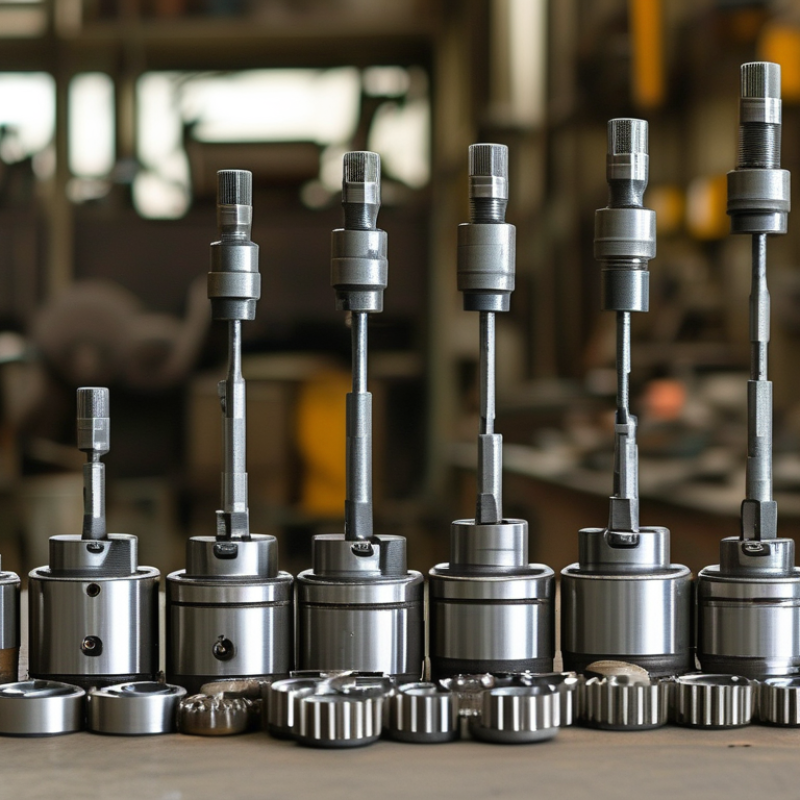
Definitions of Gear Puller and Bearing Puller
When it comes to mechanical tasks, understanding the tools is crucial. Gear pullers and bearing pullers serve different purposes but often get confused. A gear puller is used to remove gears from a shaft without damaging them. It has a three-legged design that grips the gear securely, allowing for a smooth extraction.
On the other hand, a bearing puller specializes in pulling bearings from housings. These tools often look similar but feature a more tapered design to access the inner race of the bearing. This ensures minimal risk of damaging the bearing or the surrounding equipment.
Tips: When using a gear puller, ensure that you are applying even force. Uneven pressure can cause misalignment or damage. For bearing pullers, be cautious about the fitting size. If the puller is too large or small, it may not work effectively. Remember to inspect both tools frequently for wear and tear. Doing so will enhance their performance and safety. Understanding these differences is critical for effective mechanical work.
Key Components and Design Features
When comparing gear pullers and bearing pullers, understanding their key components and design features is essential.
Gear pullers typically consist of a frame, arms, and a central screw.
The arms grip tightly onto the gear or component. The screw allows for controlled force application, enabling easy removal.
Often, gear pullers are designed for heavy-duty tasks, making them suited for larger components.
A study by the Engineering Equipment Association found that gear pullers showed a 95% efficiency rate in gear extraction under standard conditions.
Bearing pullers, in contrast, focus on removing bearings without damaging the surrounding structure.
They usually feature a similar frame but often include a more refined clamping mechanism to facilitate precision.
Many models utilize hydraulic systems for smooth operation. According to a recent industry report, the demand for bearing pullers that ensure minimal wear on components increased by 30% over the past five years, highlighting their growing importance in maintenance tasks.
Both tools have distinct roles. Despite their similarities, each serves specific needs in mechanical repairs.
Users must be aware of common flaws. Improper use of either puller can result in damage to components.
Misalignment during the pulling process may lead to ineffective extractions. Understanding these nuances is vital for effective equipment use.
Types of Gear Pullers and Their Applications
When it comes to gear pullers, their types and uses vary greatly. A gear puller generally consists of arms that grab the gear or part. The design provides leverage to extract components from shafts. They can be classified into two main types: two-jaw and three-jaw. Two-jaw pullers are ideal for smaller and tighter spaces. They are easy to use and provide adequate force. On the other hand, three-jaw pullers give a more secure grip on larger gears. They are more versatile and can handle various sizes.
In real applications, gear pullers are commonly used in automotive repair and mechanical maintenance. They help in tasks like removing pulleys, flywheels, and other press-fitted parts. Mechanics rely on them daily for efficiency. However, not all situations require the same type of puller. Choosing the wrong one can lead to damages or inefficiencies. It’s essential to assess your specific needs. Proper usage is crucial to avoid accidents.
Bearing pullers also serve a critical role but are designed specifically for bearings. They often feature a slide hammer mechanism. This allows for easier removal without damaging surrounding parts. Whether using a gear or bearing puller, understanding their applications is vital. Misuse may lead to setbacks. Mechanics should take time to learn the best practices for each tool.
Types of Bearing Pullers and Their Applications
Bearing pullers come in various types, each designed for specific applications. The most common type is the three-jaw bearing puller. It grips the outer race of a bearing securely. This design allows for better leverage, making it easier to extract bearings without causing damage.
Another popular option is the two-jaw puller. This tool is effective for removing bearings from tight spaces. Its slim profile enables access to areas where three-jaw pullers might not fit. However, it can sometimes struggle with larger bearings, which may lead to frustration.
Hydraulic bearing pullers are robust tools for heavy-duty jobs. They use hydraulic pressure to remove bearings quickly. While effective, they require careful handling. Over-reliance on hydraulic pullers can lead to mistakes if operators aren’t trained. Each type of puller has unique strengths and weaknesses, highlighting the importance of selecting the right one for the task. Choosing a puller isn't always straightforward, and users need to assess their specific needs to avoid mishaps.
Important Considerations When Choosing Between Them
When choosing between a gear puller and a bearing puller, consider their specific applications. Gear pullers are designed for removing gears from shafts. They usually come with hooks that grip the gear tightly. Make sure to select the right size to avoid damaging the gear. If the gear is stuck, applying heat may help.
Bearing pullers, on the other hand, specialize in removing bearings. They often have a more delicate mechanism. These tools are designed to avoid damaging the shaft or housing. Selecting the wrong tool can lead to frustration. It’s crucial to ensure compatibility with the type of bearing you are working with.
Keep in mind your skill level and comfort with these tools. If unsure, consulting a professional is wise. Sometimes, using the right tool for the job can mean the difference between success and failure. Consider the costs versus the benefits. Investing in quality tools can save time and effort in the long run.
Comparison of Gear Puller and Bearing Puller Efficiency
FAQS
: The two main types are two-jaw and three-jaw gear pullers.
Use a two-jaw puller for smaller, tighter spaces. It's easy to use and offers adequate force.
Three-jaw pullers provide a better grip on larger gears, accommodating various sizes efficiently.
Mechanics use gear pullers to remove pulleys, flywheels, and other press-fitted parts.
Yes, the wrong puller can lead to damages or inefficiencies in your work.
Bearing pullers are specifically designed to remove bearings safely without damaging surrounding parts.
It securely grips the outer race of a bearing, allowing for easier extraction with better leverage.
Two-jaw pullers may struggle with larger bearings, which can lead to frustration during use.
Assess your specific needs carefully to choose the right puller for the task at hand.
Improper handling of hydraulic pullers can lead to mistakes, emphasizing the need for proper training.
Conclusion
The article "What is the Difference Between a Gear Puller and a Bearing Puller?" explores the distinct functions and designs of these essential tools used in mechanical applications. A gear puller is specifically designed to remove gears from shafts, boasting features such as claw arms that grip the gear tightly. In contrast, a bearing puller is tailored for extracting bearings, often featuring a central screw mechanism that ensures even pressure.
Moreover, the article delineates the various types and applications of both pullers, highlighting that gear pullers are often utilized in automotive and machinery settings, while bearing pullers are prevalent in both industrial and home repair contexts. Important considerations when selecting between the two tools include the specific job requirements, the size and type of the component being pulled, and the design features that best meet those needs. Understanding what is the difference between a gear puller and a bearing puller is crucial for efficiently completing mechanical tasks.
 Choppa Tools
