Choppa Tools Choppa Tools

How to Choose the Best Hand Tools for Beginners Guide?

Time:2026-07-01 Author:Liam
0%

Choosing the right hand tools can be daunting for beginners. Expert craftsman John Baker emphasizes, “The right tools open up a world of possibilities.” A proper selection can enhance skills and ensure safety. Understanding how to choose the best hand tools for beginners not only saves money but also time.

When starting out, it’s crucial to focus on quality over quantity. Many new users buy several tools, thinking they need them all. Instead, select a few essential items that suit specific tasks. For example, a reliable hammer and a classic screwdriver are a must. Look for tools that feel comfortable in your hand.

Building a personal toolkit takes time. Expect to make mistakes along the way. Some tools may not live up to expectations, leading to regret. Reflecting on those choices can help refine what works best. Ultimately, learning how to choose the best hand tools for beginners is a journey filled with exploration and growth.
How to Choose the Best Hand Tools for Beginners Guide?

Understanding the Essential Types of Hand Tools for Beginners

When starting a DIY project, understanding essential hand tools is crucial. Beginners often feel overwhelmed by the variety available. Focusing on a few key tools can make the journey easier. According to a recent industry report, 80% of tools purchased by new DIYers tend to sit unused. Selecting wisely can avoid that fate.

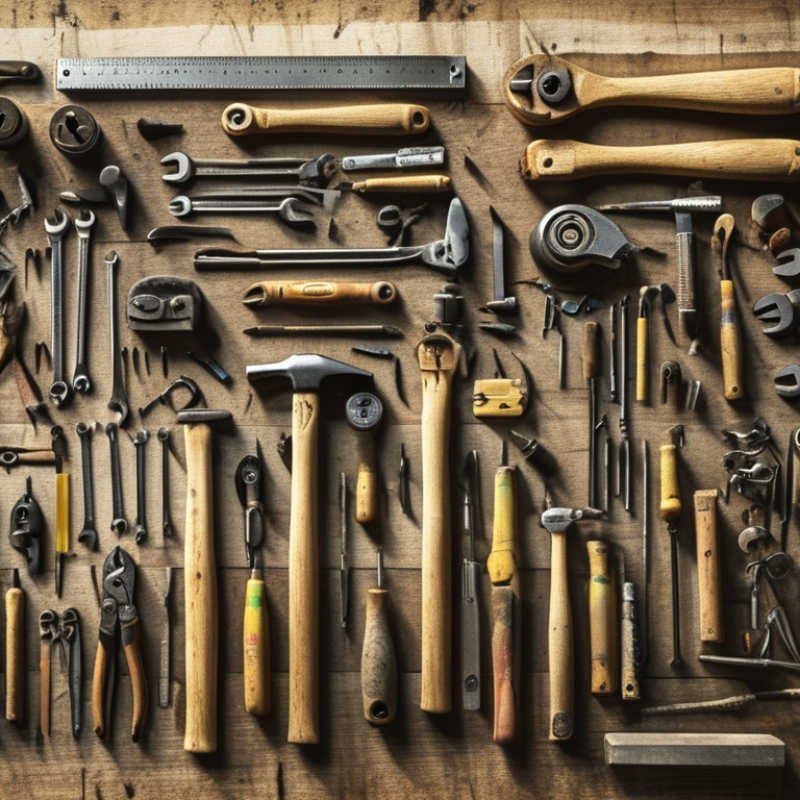
Common hand tools include a hammer, screwdrivers, pliers, and wrenches. Each serves a specific purpose and is useful for various tasks. A good hammer is versatile for both carpentry and repairs. Screwdrivers come in different types, fit for screws of varying sizes. Pliers are perfect for gripping and twisting, offering control with delicate parts.

Tip: Start with a small toolset that combines these essentials. This minimizes clutter while maintaining functionality. Choose tools that feel comfortable in your hand. The right grip can dramatically improve your work quality. Remember, investing in quality tools pays off. They provide better durability and efficiency.

Mastering these basics gives you a solid foundation. However, expect some trial and error. Not every project will go as planned. Embrace mistakes as learning opportunities. Even experienced builders face setbacks. The key is resilience and adaptation. Each project will enhance your skills and boost confidence.

Key Features to Consider When Selecting Hand Tools

Choosing the right hand tools as a beginner can be overwhelming. There are several features to consider that will enhance your experience. The weight of the tool matters. Heavier tools can be tiring to use, especially for prolonged tasks. Opt for a balance that feels comfortable in your hand.

The grip is crucial too. A non-slip handle will prevent accidents and provide better control. Test various styles to find what fits your hand size. Look for tools that have ergonomic designs. These often reduce strain during use.

Lastly, consider the material. Quality steel is durable and resists wear. However, stainless steel is resistant to rust, making it ideal for humid settings. It's essential to think about your projects and environment. Consider investing in a few versatile tools rather than an extensive collection. This approach helps avoid frustration and ensures you develop your skills gradually. Choosing the right tools is a reflection of your journey as a beginner. Each choice shapes your learning experience.

How to Choose the Best Hand Tools for Beginners Guide? - Key Features to Consider When Selecting Hand Tools

Tool Type Key Features Recommended For Materials
Hammer Weight, Grip, Claw Type Woodworking, General Repairs Steel Head, Wooden or Fiberglass Handle
Screwdriver Magnetic Tips, Handle Comfort Electronics, Furniture Assembly Steel Shaft, Plastic or Rubber Handle
Wrench Adjustable Size, Grip Plumbing, Automotive Repairs Chrome Vanadium Steel
Pliers Jaw Size, Grip Comfort Electrical Work, DIY Projects High Carbon Steel
Tape Measure Lock Mechanism, Length Construction, Crafts Fiberglass, Steel Blade

Safety Tips for Using Hand Tools Effectively

When using hand tools, safety is paramount. According to the U.S. Bureau of Labor Statistics, hand tool injuries account for 30% of non-fatal occupational injuries. Understanding how to use tools properly can prevent many accidents.

Wearing appropriate personal protective equipment (PPE) is essential. Safety goggles protect your eyes from flying debris. Ear protection can be vital in noisy environments. Additionally, gloves should be chosen wisely; some materials can reduce dexterity. Never use a tool beyond its intended purpose. Improvised tools can lead to serious injuries.

Always maintain a clean workspace. Clutter can cause accidents. Tools should be stored safely when not in use. This reduces the chance of trips and falls. Regular inspections help identify damaged tools. Using safe, well-maintained tools enhances effectiveness. Be mindful of your surroundings. Make sure to keep distractions at bay. A focused mind enhances safety.

Practice proper tool techniques. For example, gripping a saw firmly prevents slippage. Slow and steady actions improve precision and safety. Remember that rushing is a common cause of accidents. Reflect on your habits after each project. This evaluation fosters safer practices next time you use hand tools.

Building a Basic Hand Tool Kit: Must-Have Items for Starters

Building a basic hand tool kit is essential for beginners. Your tool selection should focus on versatility and quality. Start with a reliable hammer. It’s perfect for driving nails and framing projects. A good tape measure is also crucial. It ensures accurate cuts and fits. Look for one that is easy to read.

Consider adding a set of screwdrivers. A flat-head and a Phillips are must-haves. These will help with various assembly tasks. Don't forget a utility knife for precise cutting. A handsaw is another great addition. It may seem simple, but it’s effective for small woodwork. As you gather these tools, reflect on their use. Each piece should serve multiple functions to save space and money.

Your kit may include a level. This tool ensures everything aligns correctly, but it can also be tricky to use. Gain experience with it. Mistakes in measurements can lead to frustrating results. Learn from those errors. Over time, you’ll refine your choices and build a kit that suits your needs. Aim for quality over quantity, and trust your instincts as you grow into your projects.

Maintaining Your Hand Tools: Best Practices for Longevity

Maintaining your hand tools properly ensures their longevity and effectiveness. Regular cleaning is crucial. After each use, wipe down tools to prevent rust and corrosion. For wooden handles, use linseed oil to nourish the wood. This practice extends their life and keeps them functional.

Tips: Always store tools in a dry place. Moisture can lead to damage. Consider investing in a pegboard or toolbox to organize your tools. A clean and organized space not only protects tools but also enhances your workflow.

Additionally, inspect tools periodically. Look for signs of wear, rust, or damage. Sharp blades should be honed regularly. Dull tools can lead to accidents, as they require more force to use. Keeping blades sharp ensures safety and efficiency. Reflect on the way you actually care for your tools. Are you giving them the attention they need?

Hand Tool Types and Their Maintenance Frequency

This bar chart illustrates the recommended maintenance frequency for various types of hand tools. Regular maintenance ensures longevity and optimal performance of your tools.

FAQS

: Why is safety important when using hand tools?

: Safety is crucial as hand tool injuries account for 30% of non-fatal workplace injuries.

What personal protective equipment should I wear?

Always wear safety goggles for eye protection and ear protection in noisy areas. Choose gloves carefully.

How should I store my tools?

Store tools safely when not in use to prevent trips and falls. Keep your workspace clean and organized.

What are some common causes of accidents with hand tools?

Rushing and distractions are significant causes. Practicing focused actions improves safety and precision.

What should I consider when building a tool kit?

Focus on versatile, quality tools. Each item should serve multiple purposes to be efficient and space-saving.

How can I improve my tool technique?

Grip tools firmly and act slowly. Reflecting on your habits can lead to safer practices in the future.

Is it necessary to inspect tools regularly?

Yes, regular inspections help identify damage and ensure tools are safe and effective for use.

How can I learn from mistakes made during projects?

Reflect on errors, especially with measurements. Gaining experience will help refine your choices for future projects.

How do I choose the right tape measure?

Look for a tape measure that is easy to read. Accuracy is vital for cuts and fits in your projects.

What is the role of a level in a tool kit?

A level ensures proper alignment, but it can be tricky. Gain experience and learn from any measurement mistakes.

Conclusion

When learning how to choose the best hand tools for beginners, it's essential to understand the different types of tools available and their specific purposes. Beginners should familiarize themselves with essential hand tools like hammers, screwdrivers, pliers, and wrenches, as these form the foundation of any toolkit. Key features such as grip comfort, durability, and safety mechanisms should be prioritized to ensure safe and effective use.

Moreover, maintaining your hand tools is crucial for longevity and optimal performance. Regular cleaning, proper storage, and timely repairs can significantly extend the life of these tools. By building a basic hand tool kit that includes must-have items and following safety tips while using the tools, beginners can develop their skills efficiently and safely, paving the way for more advanced projects in the future.

Liam

Liam

Liam is a dedicated marketing professional with a profound expertise in the industry, where he excels at highlighting the unique advantages of our core products. With a keen understanding of market trends and consumer needs, Liam frequently updates our company’s professional blog, providing......