Choppa Tools Choppa Tools

10 Best Ways to Use a Hydraulic Bearing Puller?

Time:2026-06-25 Author:Amelia
0%

When dealing with mechanical components, understanding "how does a hydraulic bearing puller work" is essential. These tools offer significant advantages in removing bearings effectively and efficiently. According to Dr. William Carter, a mechanical engineering expert, "A hydraulic bearing puller harnesses fluid pressure to provide unmatched force for extraction tasks." His insight highlights the innovative design behind these tools.

Hydraulic bearing pullers utilize hydraulic pressure to exert substantial force. This makes them ideal for removing stuck bearings. Their operation involves a simple yet effective mechanism that enhances productivity in maintenance tasks. Industrial professionals often rely on these pullers for their durability and effectiveness.

However, mastering their use requires practice. Users must be cautious not to apply excessive pressure, as it might cause damage. Every situation can differ, and becoming proficient with this tool takes time and reflection. A reliable hydraulic bearing puller can significantly streamline your workflow, but understanding its operation is crucial for optimal results.
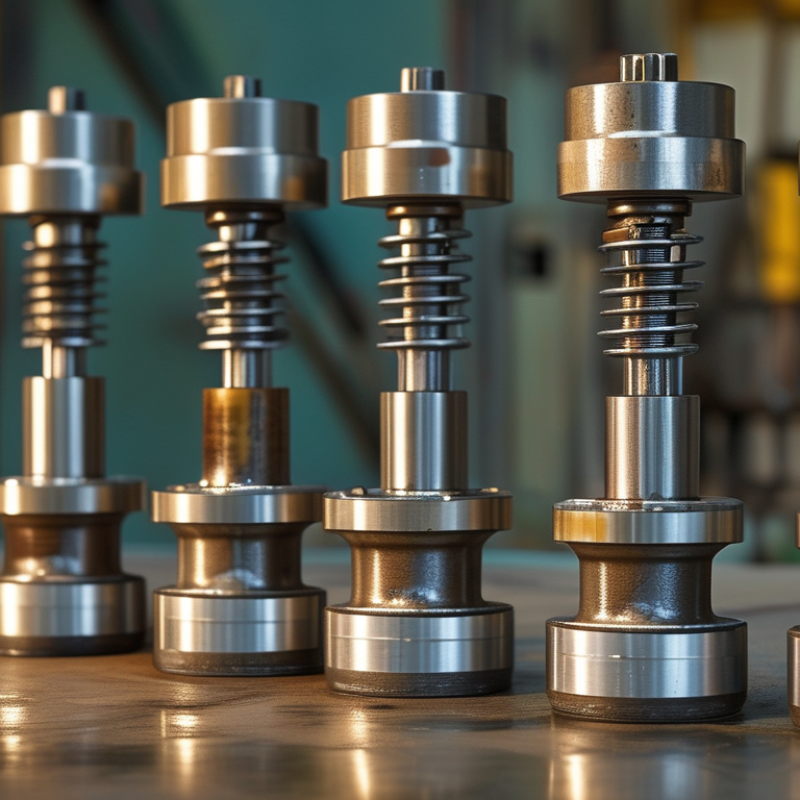
10 Best Ways to Use a Hydraulic Bearing Puller?

Understanding the Basics of a Hydraulic Bearing Puller

Hydraulic bearing pullers are essential tools in mechanical work. They facilitate the removal of bearings and other press-fitted components. Understanding the basics is crucial for effective use. A hydraulic bearing puller operates by applying a controlled force to dislodge components without damage. The tool consists of a hydraulic jack, arms, and a gripping mechanism.


Proper setup is vital. Ensure that the arms are secured around the bearing. This alignment allows for even pressure distribution. Watch for misalignment that could cause damage to the bearing or surrounding parts. Adjust the hydraulic pressure gradually to prevent sudden movements that may cause injury or equipment failure.


Safety precautions should always be considered. Using personal protective equipment can prevent accidents. Always inspect the puller before use. Look for signs of wear or damage that could compromise its integrity. Document your process to learn from your experience. Perhaps you notice that certain settings work better in specific scenarios, which is valuable knowledge for future projects.

Essential Safety Precautions When Using a Hydraulic Bearing Puller

When using a hydraulic bearing puller, safety should always be your top priority. The first step is to wear appropriate personal protective equipment (PPE). This includes safety goggles and gloves to protect against potential hazards. Hydraulic systems can fail suddenly, and loose parts may cause injury. Ensure you inspect the puller before each use. Look for any signs of wear or damage that could lead to malfunction.


Proper setup is crucial. Secure your workpiece firmly in place. Any movement during operation can result in accidents. Make sure to operate the puller on a stable surface. If you notice any unusual sounds or vibrations during use, stop immediately. It’s vital to address issues before resuming work. Always remember to release pressure slowly to avoid sudden jerks, which can be dangerous.


Hydraulic fluid leaks are another concern. Check the lines and connections for any signs of leaks. Maintain a clean workspace to avoid slips and trips. Familiarize yourself with the specific model of your puller. Not all tools function the same way; understanding your equipment is vital for safe operation. This knowledge will help you avoid common mistakes, enhancing both safety and efficiency in your projects.

Step-by-Step Guide to Setting Up a Hydraulic Bearing Puller

Setting up a hydraulic bearing puller requires careful attention to detail. Begin by selecting the appropriate puller size based on the bearing dimensions. A puller that is too small can damage the bearing, while one that is too large may not provide enough force. According to a report by the Machinery Lubrication Institute, improper sizing can lead to a 30% increase in mechanical failure rates during assembly.

Once you have your puller, secure it on the bearing with precision. It’s essential to ensure that the arms of the puller are evenly spaced and centered. This creates a balanced force during the pulling process. In a study by the American Society of Mechanical Engineers, they found that uneven force application is a leading cause of equipment failure, causing up to six times the usual wear and tear on components. Review your setup before applying pressure to avoid potential mishaps.

As you apply force, monitor closely for any movement. Small movements may indicate a misalignment. Adjustments might be necessary during the process. In fact, over 25% of technicians report issues related to puller setup errors in field studies. Regular training on the correct use of hydraulic tools and adherence to safety guidelines can mitigate risks significantly. Remember, a proper setup leads to efficiency in maintenance and reliability in machinery performance.

Common Applications for Hydraulic Bearing Pullers in Automotive Work

Hydraulic bearing pullers play a crucial role in automotive work. They simplify the process of removing bearings from shafts, especially in tight spaces. According to industry data, over 40% of mechanical issues in vehicles involve bearings. The ability to efficiently extract these components can significantly reduce repair times.

When used correctly, hydraulic pullers minimize the risk of damaging surrounding parts. They distribute force evenly, preventing undue stress on the assembly. A study showed that improper removal techniques can lead to a 30% increase in part replacement costs. Professionals often rely on these tools to maintain vehicle longevity.

Common applications include axle bearing removal and gear pull applications. These tasks often require precision and strength that manual methods lack. An experienced technician can perform these operations quickly, adapting to various vehicle types. Some users, however, report the challenge of selecting the right puller size for specific tasks. Proper training and experience can alleviate most difficulties, highlighting the importance of knowledge in using hydraulic tools effectively.

10 Best Ways to Use a Hydraulic Bearing Puller

This chart illustrates the common applications of hydraulic bearing pullers in automotive work, highlighting their effectiveness in various tasks.

Tips for Maintaining and Troubleshooting Your Hydraulic Bearing Puller

Maintaining a hydraulic bearing puller is crucial for optimal performance. Regular inspection of components can prevent unexpected failures. Look for any signs of wear or damage, especially on the jaws and hydraulic cylinder. Lubricating the moving parts keeps them functioning smoothly. Neglecting this simple step may lead to more significant issues down the line.

When troubleshooting, assess the hydraulic fluid level. Low fluid can impede operation. If the puller is slow or unresponsive, air may have entered the system. Bleeding the hydraulic lines can resolve this problem. Check for leaks, too. A small leak can lead to a loss of pressure, affecting performance.

For safety, ensure you are using the tool correctly. Follow the manufacturer's recommendations for load capacity. Improper use can damage both the tool and the equipment. Remember, even small mistakes can have significant consequences. Taking the time to care for your hydraulic bearing puller can lead to better results and a longer lifespan.

FAQS

: What is a hydraulic bearing puller?

: A hydraulic bearing puller is a tool that helps remove bearings and press-fitted components.

How does a hydraulic bearing puller work?

It applies controlled force to dislodge components without causing damage.

Why is proper setup important?

Proper setup ensures even pressure distribution, preventing damage to the bearing and its surroundings.

What should I do before using a hydraulic bearing puller?

Inspect the puller for signs of wear or damage to ensure safe use.

How can I choose the right size puller?

Select a puller based on the bearing dimensions; mismatched sizes can lead to failure.

What can cause equipment failure during the pulling process?

Misalignment and uneven force application are common causes of equipment failure and damage.

How can I monitor the pulling process?

Keep an eye on any small movements, as they may indicate misalignment that needs adjustment.

What percentage of technicians report setup errors?

Over 25% of technicians report issues related to puller setup errors in their work.

Why is documenting my process useful?

Documenting helps identify what works well for future projects and improves efficiency.

How often should I conduct regular training?

Regular training on hydraulic tool usage can significantly reduce risks and improve safety.

Conclusion

A hydraulic bearing puller is a specialized tool used for removing bearings, gears, and pulleys from shafts effortlessly, leveraging hydraulic pressure to provide the necessary force. Understanding how does a hydraulic bearing puller work is essential for maximizing its effectiveness. The tool operates by using a hydraulic cylinder that pushes against the bearing or component, pulling it off with precision and minimal risk of damage.

To ensure safe and efficient use, operators should follow essential safety precautions, set up the puller correctly, and be aware of common applications in automotive work, such as removing wheel bearings or crankshaft pulleys. Additionally, proper maintenance and troubleshooting tips can prolong the life of the hydraulic bearing puller, guaranteeing dependable performance for various mechanical tasks. By mastering these techniques and knowledge, users can enhance their skills and efficiency in automotive repairs.

Amelia

Amelia

Amelia is a seasoned marketing professional with a wealth of expertise in our company’s core offerings. With an unwavering passion for driving growth and innovation, she plays a pivotal role in shaping our marketing strategies and enhancing brand visibility. A key aspect of her responsibilities......