 Choppa Tools
Choppa Tools
Choppa Tools
When tackling a project that involves removing bearings, a common question arises: what size bearing puller do I need? Selecting the right puller is crucial for efficiency and safety. The wrong tool can lead to damaged components or even injury. Understanding your specific needs ensures a smoother process.
Different projects call for different sizes of bearing pullers. Factors such as the bearing's inner diameter and overall width play a crucial role in your decision. Many choose too small or too large a puller, resulting in frustration. Take the time to measure accurately; this will save you time and repairs later.
Remember, having the right tool significantly improves your chances of success. However, there’s also the chance of needing multiple sizes for varying tasks. Reflect on your projects and think about future needs. The question remains: what size bearing puller do I need? Your awareness of this will enhance your tool collection and project outcomes.
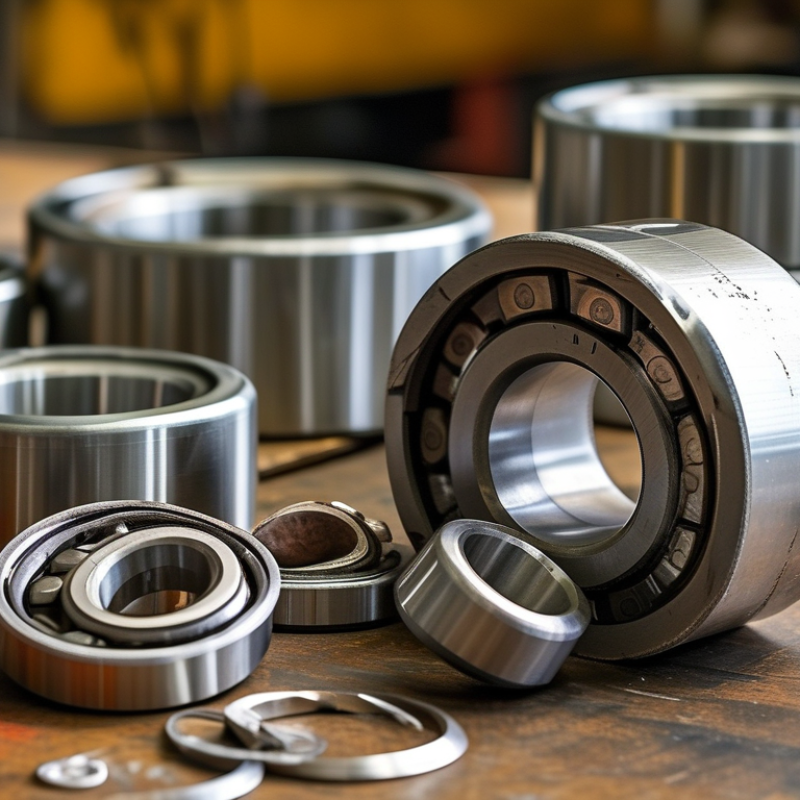
Choosing the right bearing puller size for your project is crucial for effective results. A bearing puller must fit the specific dimensions of the bearings you are working with. Measure the inner diameter and outer diameter of the bearings. Accurate measurements help ensure that the puller grips efficiently, preventing damage to both the bearing and the surrounding components.
It’s easy to overlook the type of puller needed. Different pullers serve distinct purposes. A two-jaw puller is suitable for most applications, but a three-jaw puller provides more gripping power. If the bearing is particularly tight, a hydraulic puller may be necessary. Keep in mind, using a puller that is too small might lead to slippage, while one that is too large can be cumbersome and ineffective.
Consider the project context. Conditions such as rust or debris can affect puller performance. An incorrect size choice may cause frustration and wasted time. Before proceeding, confirm your measurements multiple times. When in doubt, consulting with a professional or an experienced technician can provide valuable insights. The right puller can make a significant difference, enhancing both efficiency and safety.
| Bearing Size (mm) | Puller Type | Max Spread (mm) | Capacity (Tons) | Recommended Applications |
|---|---|---|---|---|
| 20 | 2-Jaw Puller | 50 | 1 | Small Motors, Gears |
| 30 | 3-Jaw Puller | 80 | 2 | Automotive Alternators |
| 50 | 3-Jaw Puller | 100 | 3 | Industrial Machinery |
| 80 | Specialty Puller | 120 | 5 | Heavy Equipment |
: A three-jaw puller is often suitable for larger bearings in automotive repair or machinery maintenance.
Measure both the inside and outside diameters, along with the width of the bearing for accuracy.
Using the incorrect size can lead to ineffective pulls and damage to the bearing or surrounding components.
Yes, renting tools can be a practical option for occasional projects when you don’t need to buy them.
Utilize calipers or a micrometer and double-check your measurements to avoid human error.
The load capacity ensures your puller can handle the weight safely and efficiently, preventing damage and injury.
Some bearings need specific engagement points or shapes; assess these requirements carefully before deciding on a puller.
Light-duty pullers are often insufficient for heavy bearings; rely on heavy-duty models for complex tasks.
The load capacity and material can refine your selection; choose a puller that matches these specifications.
Overestimating can lead to disappointment and may result in tools failing during use, causing potential delays.
When tackling a project that involves bearing removal, a common question arises: "what size bearing puller do I need?" Choosing the right size bearing puller is crucial for ensuring effective and safe operation. Start by understanding the specific requirements of your application, as different types of pullers—such as two-jaw, three-jaw, or hydraulic pullers—come in varying sizes suited for different tasks.
Measuring bearing dimensions accurately is essential; take precise measurements of the inner and outer diameters to select an appropriately sized tool. Additionally, consider the load capacity of the puller to ensure it can handle the required strength for your project. Avoid common pitfalls, such as underestimating the size or load requirements, by following best practices for selection, ensuring that your chosen puller is both effective and safe for use.
